
Beautiful Plants For Your Interior
Beautiful Plants For Your Interior
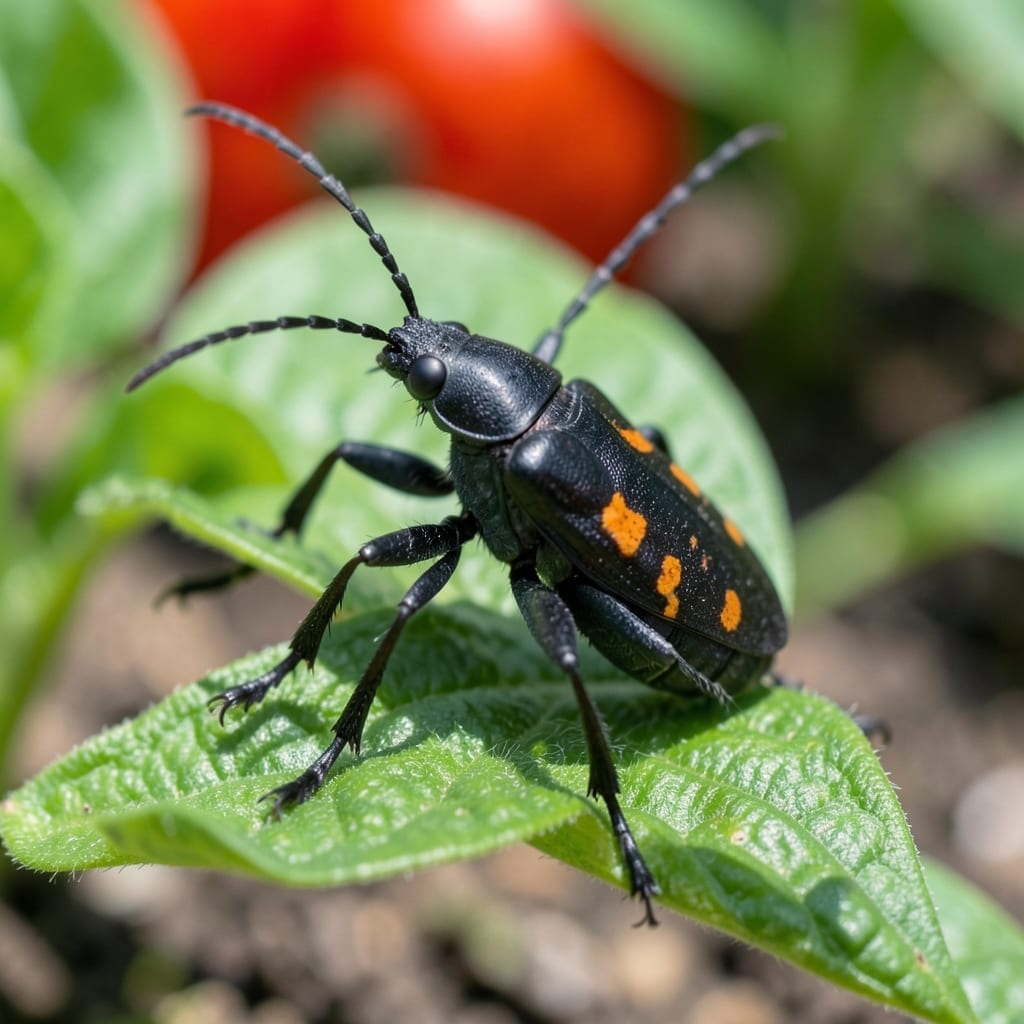
I first spotted them on my okra plants—small, black bugs with distinctive white markings. These pests multiply fast and can wreak havoc on your garden if left unchecked.
The damage shows up as distorted leaves, stunted growth, and ruined fruit. They pierce plant tissue to feed, leaving behind brown spots and weakened stems that invite secondary infections.
Early detection is key. Check undersides of leaves weekly, especially in late summer when populations peak. Hand-picking works for small infestations, but larger ones need targeted action.
Whether you choose organic sprays or physical barriers, consistent monitoring prevents these bugs from taking over. Here’s how to reclaim your garden.
The presence of leaf-footed bugs in your garden is rarely random. These pests thrive under specific environmental and agricultural conditions. Below are the primary causes behind their infestations, explained with actionable insights.
Leaf-footed bugs are highly attracted to gardens with an abundance of their favorite food sources, such as tomatoes, peppers, eggplants, and squash. When these plants are densely packed or left to grow unchecked, they create an ideal breeding and feeding ground. Thin out plantings and rotate crops yearly to disrupt their lifecycle.
These insects proliferate in regions with hot, arid summers. High temperatures accelerate their reproduction, while dry conditions reduce the presence of natural predators like fungi and parasitic wasps. Irrigate strategically to maintain soil moisture without overwatering, which can also deter other pests.
Leaf-footed bugs face few threats in gardens lacking biodiversity. Introduce beneficial insects like lacewings, assassin bugs, or birds by planting native flowers or installing birdhouses. Avoid broad-spectrum pesticides, which can kill these natural enemies alongside pests.
Fallen leaves, mulch piles, and untamed weeds provide shelter and overwintering sites for these bugs. They lay eggs in hidden, undisturbed areas, ensuring survival across seasons. Clear garden debris regularly and maintain a weed-free perimeter to eliminate hiding spots.
Dealing with leaf-footed bugs in your garden doesn’t have to be a losing battle. Below are practical, step-by-step solutions tailored to common causes, plus tips to keep them from coming back.
Cause: Small infestations of adult bugs or nymphs on plants.
Fix: Inspect plants daily, especially in the morning when bugs are slower. Wear gloves and drop them into a bucket of soapy water. Focus on undersides of leaves and fruit clusters where they hide.
Cause: Adult bugs flying in from nearby areas.
Fix: Cover vulnerable plants with lightweight floating row covers early in the season. Secure edges with soil or weights to prevent bugs from sneaking in. Remove covers during flowering to allow pollination.
Cause: Nymphs and adults feeding on foliage and fruit.
Fix: Spray a ready-to-use insecticidal soap directly on bugs. Reapply every 4–7 days or after rain. Test on a small area first to avoid plant damage.
💡 Pro Tip: Target bugs in the early morning or late evening when they’re less active for better control.
Cause: Lack of natural enemies like birds, spiders, or parasitic wasps.
Fix: Install birdhouses, leave leaf litter for ground predators, and plant native flowers to attract beneficial insects. Avoid broad-spectrum pesticides that harm predators.
Cause: Overwintering bugs in garden debris.
Fix: Rotate crops yearly and remove plant debris after harvest. Till the soil in late fall to expose and disrupt overwintering bugs.
🎯 Prevention Tips: Keep your garden clean, monitor plants regularly, and act at the first sign of damage. A little vigilance goes a long way in keeping these pests under control!
They target tomatoes, peppers, and squash most often. Okra and eggplants are also common hosts. Check these plants first if you suspect an infestation.
Look for their distinctive black color with white markings and leaf-like hind legs. Nymphs are orange or brown and lack wings.
They rarely bite, but can pierce skin if handled roughly. Their bite feels like a pinprick but isn’t dangerous. Wear gloves when removing them.
Act at first sight of damage or bugs. Early morning is ideal for hand-picking, as they’re less active. Repeat treatments every 4-7 days for best results.