
Beautiful Plants For Your Interior
Beautiful Plants For Your Interior
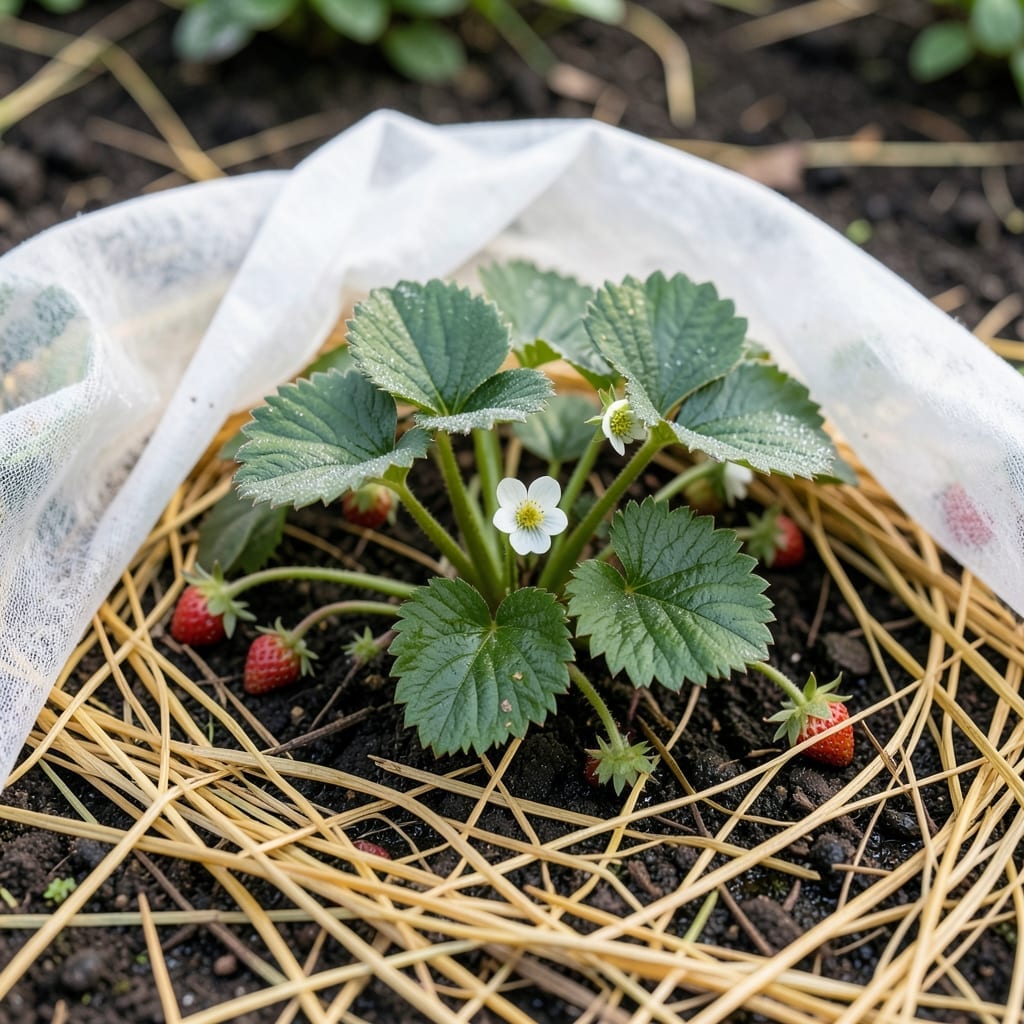
That first spring frost can wipe out your 🍓 Strawberry crop overnight if you’re not prepared. I learned this the hard way my first season, watching helplessly as my plants suffered damage that could have been prevented.
Timing your protection efforts is the key to saving those delicate blossoms and developing fruit. Whether you’re in zone 6 or another region, knowing when to act makes all the difference.
Let me walk you through the most important moments to cover your Strawberries and the simple methods that work best. Your future harvest will thank you.
I always mark my calendar for late winter as the first critical time to protect strawberry plants. That’s when cold snaps can damage blossoms before they even open.
In zone 6, I watch for temperatures below 30°F. That’s my cue to cover plants immediately. The timing varies by region, so check your local frost dates carefully.
| Season | Action | Temperature Threshold |
|---|---|---|
| Late Winter | Cover plants | Below 30°F |
| Early Spring | Protect blossoms | Below 28°F |
| Late Spring | Remove covers | Above 40°F |
| Fall | Prepare for winter | Below 25°F |
For spring protection, I cover my strawberry plants as soon as I see frost warnings in the forecast. Even a light frost can harm those tender blossoms.
I use straw mulch or frost blankets for best results. These materials allow air circulation while providing insulation from the cold.
In early spring, I’m especially vigilant. The flower buds are most vulnerable at this stage. A single cold night can set back my entire harvest.
By late spring, as temperatures rise above 40°F, I remove covers during the day. This prevents overheating and allows pollinators to access the flowers.
I always check the 10-day forecast before deciding to uncover. Sudden temperature drops can still occur, even in warmer months.
For fall protection, I prepare my plants for winter dormancy. When temperatures drop below 25°F, I apply a thicker layer of straw mulch to insulate the crowns.
Remember, consistency is key. I’ve found that regular monitoring of weather conditions helps me stay ahead of any potential frost damage.
My strawberry plants always reward me with a bountiful harvest when I follow this timeline religiously. It’s a small effort for a big payoff come picking season.
Choosing the right covering materials is just as important as timing. I’ve tested several options and found straw mulch works best for most situations. It’s affordable, effective, and easy to apply.
For more severe cold, I use frost blankets or row covers. These provide better insulation while still allowing light and water to reach the plants. Avoid plastic as it can trap moisture and harm your strawberries.
| Material | Best For | Protection Level |
|---|---|---|
| Straw Mulch | Light frosts | Moderate |
| Frost Blankets | Hard freezes | High |
| Row Covers | Extended cold | Very High |
| Cloches | Individual plants | High |
I always secure my covers with garden staples or weights to prevent wind damage. This keeps the protection in place during stormy weather when it’s needed most.
For container-grown strawberries, I move pots to a sheltered location like a garage or porch when frost is forecast. This provides extra protection without covering.
In my experience, the best approach combines multiple layers. I use straw mulch around the base and frost cloth over the top for maximum protection during extreme cold snaps.
I’ve found that natural materials work best. They’re breathable, effective, and won’t harm your plants if left on a bit too long.