
Beautiful Plants For Your Interior
Beautiful Plants For Your Interior
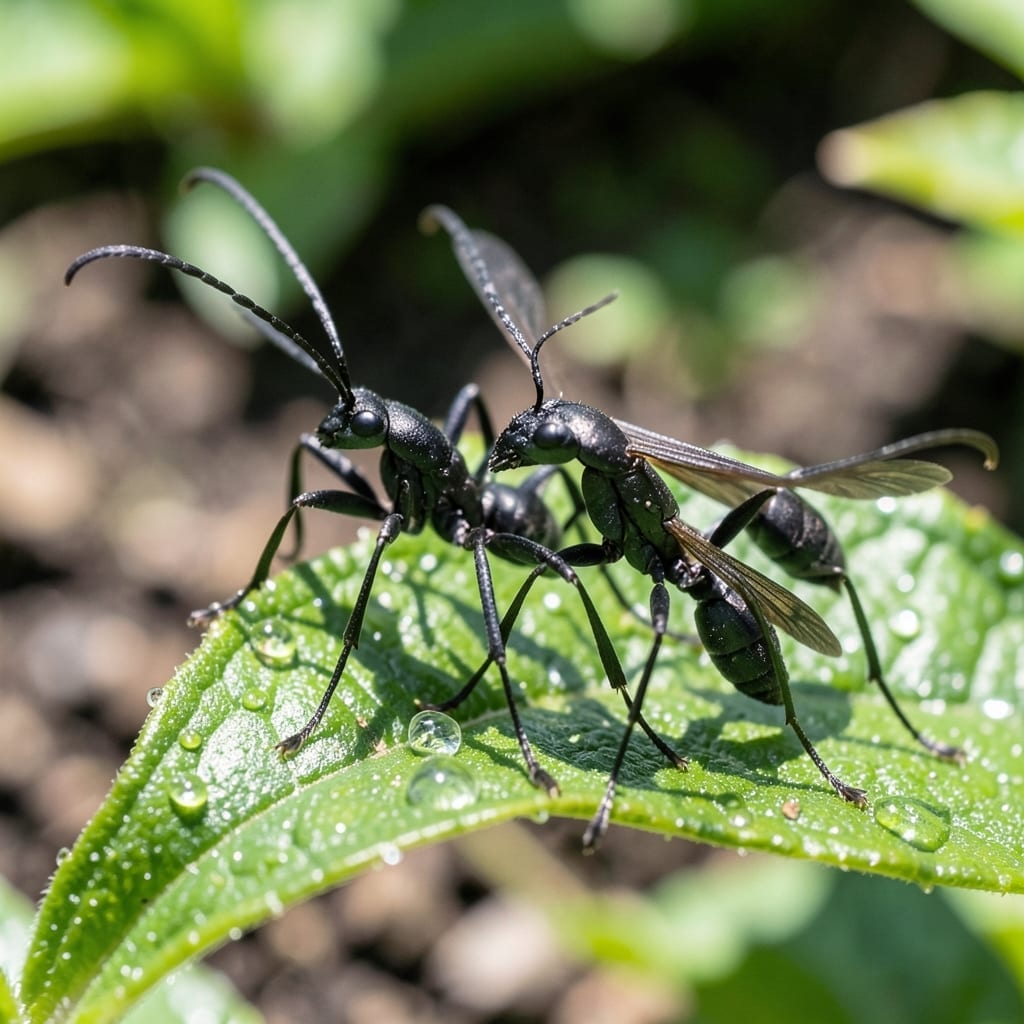
Spotted tiny winged creatures that resemble ants around your garden? I first noticed them swarming near my compost pile last spring, and it turns out they’re more common than you’d think.
These aren’t your typical ants—they’re likely carpenter ants or termites in their reproductive stage. The difference matters: one chews wood, the other eats it. Misidentifying them can mean the wrong treatment and wasted effort.
You’ll want to act fast. Left unchecked, they can damage structures or spread through your garden beds. The good news? A few simple steps can stop them before they become a bigger problem.
I’ll walk you through how to tell them apart and what to do next. No fancy equipment required—just a keen eye and the right approach.
Flying bugs that resemble ants are often the result of specific biological and environmental factors. Here’s why you might be seeing them:
Many ant species, such as carpenter ants or pharaoh ants, produce flying reproductive individuals (alates) during their mating season. These winged ants emerge in swarms to mate and establish new colonies. This is a natural part of their life cycle, typically triggered by warm, humid conditions or seasonal changes.
If you spot flying bugs indoors, it often means an ant colony has matured inside your home. Carpenter ants, for example, nest in damp or damaged wood, while other species may thrive in wall voids or under flooring. Poor sanitation, moisture issues, or untreated wood can encourage these colonies to grow and eventually produce flying ants.
Outdoors, flying ants may appear after heavy rainfall or during warm, humid weather, which signals optimal mating conditions. These swarms are often mistaken for termites, but their elbowed antennae and slender waists help distinguish them. Overgrown vegetation or decaying wood in your yard can also attract and sustain ant colonies, leading to more frequent sightings.
Sometimes, flying ants hitch a ride on firewood, potted plants, or other items brought indoors. This accidental introduction can lead to a sudden infestation if the conditions (food, moisture, shelter) are right for them to establish a nest.
Dealing with flying bugs that resemble ants can be frustrating, but targeted solutions can help you reclaim your space. Below are practical fixes for common causes, along with prevention tips to keep them from returning.
Many winged ant-like pests thrive in damp areas. Fix leaks under sinks, in basements, or around pipes. Use a dehumidifier in humid spaces like bathrooms or crawl spaces. Ensure gutters direct water away from your home’s foundation.
Prevention tip: 💡 Regularly check for standing water in plant saucers or clogged drains.
These pests often swarm near food sources. Store pantry items in airtight containers and wipe up spills immediately. Take out trash frequently and keep compost bins sealed tightly. Clean pet bowls after meals to remove residue.
Prevention tip: ✨ Vacuum crumbs from under appliances and along baseboards weekly.
If you spot swarms indoors, they may be nesting in wall voids, woodpiles, or mulch. Inspect for mud tubes (a sign of termites) or sawdust-like frass (from carpenter ants). Use insecticidal dust or bait stations labeled for flying ants. For outdoor nests, treat with a perimeter spray around your home’s exterior.
Prevention tip: 🎯 Stack firewood at least 20 feet from your house and elevate it off the ground.
Winged ants (or termites) often emerge in spring or after rain. If you see a sudden swarm, use a vacuum to remove them quickly, then dispose of the bag outdoors. For persistent issues, apply a residual insecticide to entry points like windows and door frames.
Prevention tip: 🌡️ Install fine mesh screens on vents and windows to block entry.
Ants have elbowed antennae, a narrow waist, and wings of unequal length. Termites have straight antennae, a thick waist, and equal-length wings. Elbowed antennae are the easiest way to spot ants.
Swarming happens during mating season, usually in spring or after rain. Warm, humid conditions trigger reproductive individuals to emerge and form new colonies. This is a natural part of their life cycle.
Carpenter ants can chew wood, but they don’t eat it like termites. Termites, however, consume wood and can cause serious structural damage over time. Identify them quickly to choose the right treatment.
Use a vacuum to quickly capture flying pests, then seal and dispose of the bag outside. For indoor swarms, this prevents them from establishing new nests in your home.