
Beautiful Plants For Your Interior
Beautiful Plants For Your Interior
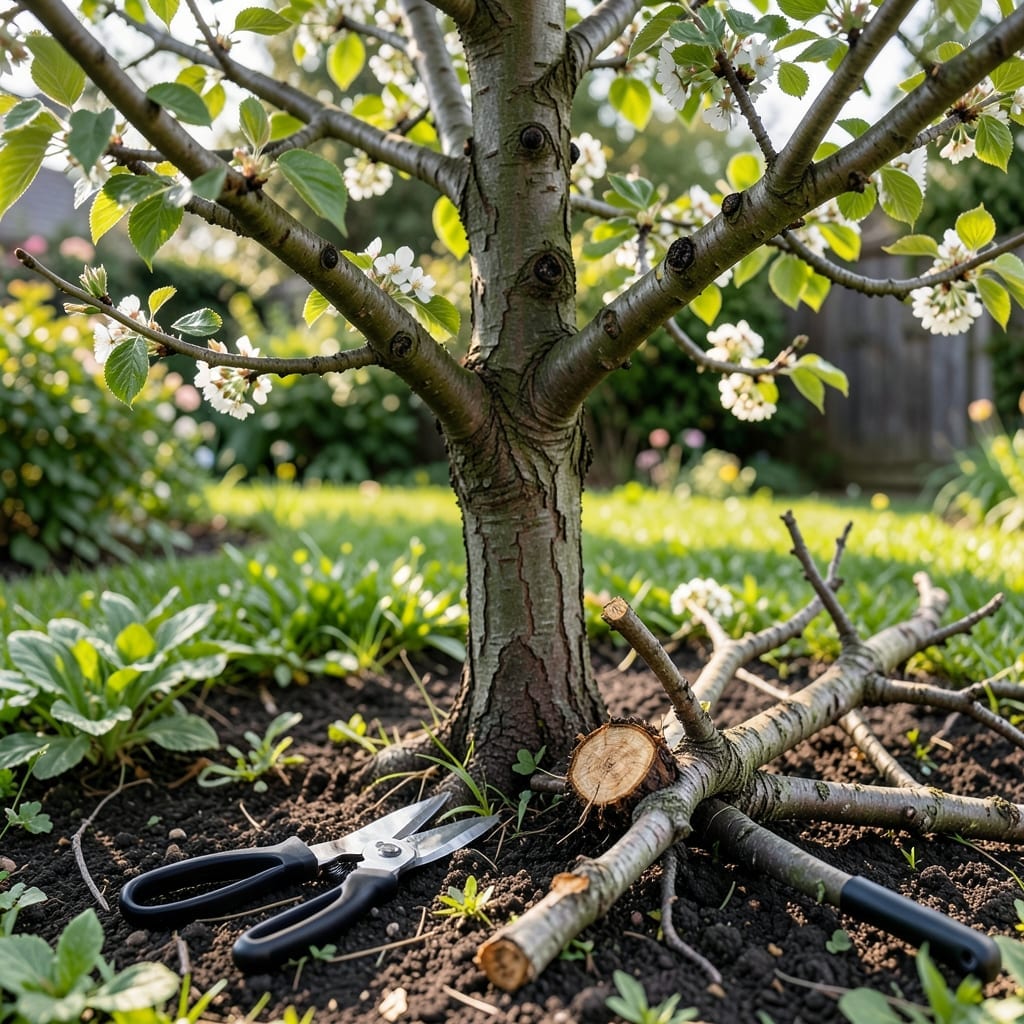
Those ugly black swellings on your tree branches aren’t just unsightly—they’re actively spreading. Black knot fungus starts as small olive-green bumps before turning hard and coal-black, eventually choking branches and stunting growth.
I first noticed it on my plum tree three seasons ago. By the next spring, it had jumped to the cherry tree 10 feet away. The spores travel on wind and rain, so early action is everything. Left unchecked, it weakens trees and can kill them over time.
Here’s the thing—pruning is your first defense, but timing matters. Cut during dry weather, 2-3 inches below the knot, and sterilize tools between cuts. It’s not complicated, just methodical.
Works for plum, cherry, and other Prunus species. Catch it early, and you can save your trees.
Black knot is a destructive fungal disease caused by Apiosporina morbosa, which primarily targets trees in the Prunus genus, such as cherry, plum, and peach. This fungus thrives in specific environmental conditions, making understanding its causes key to prevention and control.
The fungus releases spores during wet, spring weather, which are carried by wind or rain to infect susceptible trees. These spores enter through natural openings or wounds in the bark, establishing infections that later develop into the characteristic black, tar-like galls.
Warm temperatures (60–75°F) combined with prolonged moisture create the perfect environment for spore germination and infection. Trees in areas with high humidity or frequent rainfall are especially vulnerable.
Not all trees are equally at risk. Species like American plum, chokecherry, and cultivated varieties of cherry and plum are highly susceptible. The fungus can also spread to neighboring trees if left untreated.
Improper pruning, especially during wet seasons, can create entry points for the fungus. Infected wood that isn’t removed promptly allows the disease to persist and spread.
By addressing these root causes—managing moisture, pruning correctly, and monitoring susceptible species—you can significantly reduce the risk of black knot taking hold.
Dealing with black knot fungus requires a mix of removal, treatment, and prevention. Here’s how to tackle it effectively:
Cut off infected branches at least 4–6 inches below the visible knot to ensure all fungal spores are removed. Sterilize pruning tools with rubbing alcohol or a bleach solution (1 part bleach to 9 parts water) between cuts to prevent spreading the fungus. Never compost infected material—dispose of it in sealed bags or burn it.
For severe infections or high-risk trees (like cherry or plum), apply a copper-based fungicide or lime sulfur spray in early spring before buds swell. Repeat after petals fall and again in late summer. Follow product instructions for dilution and safety. Fungicides won’t cure existing knots but can protect healthy tissue.
Vigorous trees resist fungal attacks better. Water deeply during dry spells, mulch around the base (keeping it away from the trunk), and fertilize in early spring if soil tests show deficiencies. Avoid wounding the tree with lawnmowers or trimmers, as open cuts invite spores.
Consistency is key—treat black knot as soon as you spot it to save your tree!
Cherry, plum, and peach trees are most at risk. These Prunus species lack natural resistance, so monitor them closely during wet springs when spores spread.
Prune during dry weather, preferably in late winter or early spring before buds swell. This timing minimizes spore spread and allows trees to heal before active growth begins.
Yes, but act fast. Remove all visible knots, apply copper fungicide, and improve tree vigor with proper watering and mulching. Severe cases may require multiple treatments.
Never cut just at the knot’s edge. Always remove 4–6 inches below it to eliminate hidden spores. Skipping this step often leads to reinfection.