
Beautiful Plants For Your Interior
Beautiful Plants For Your Interior
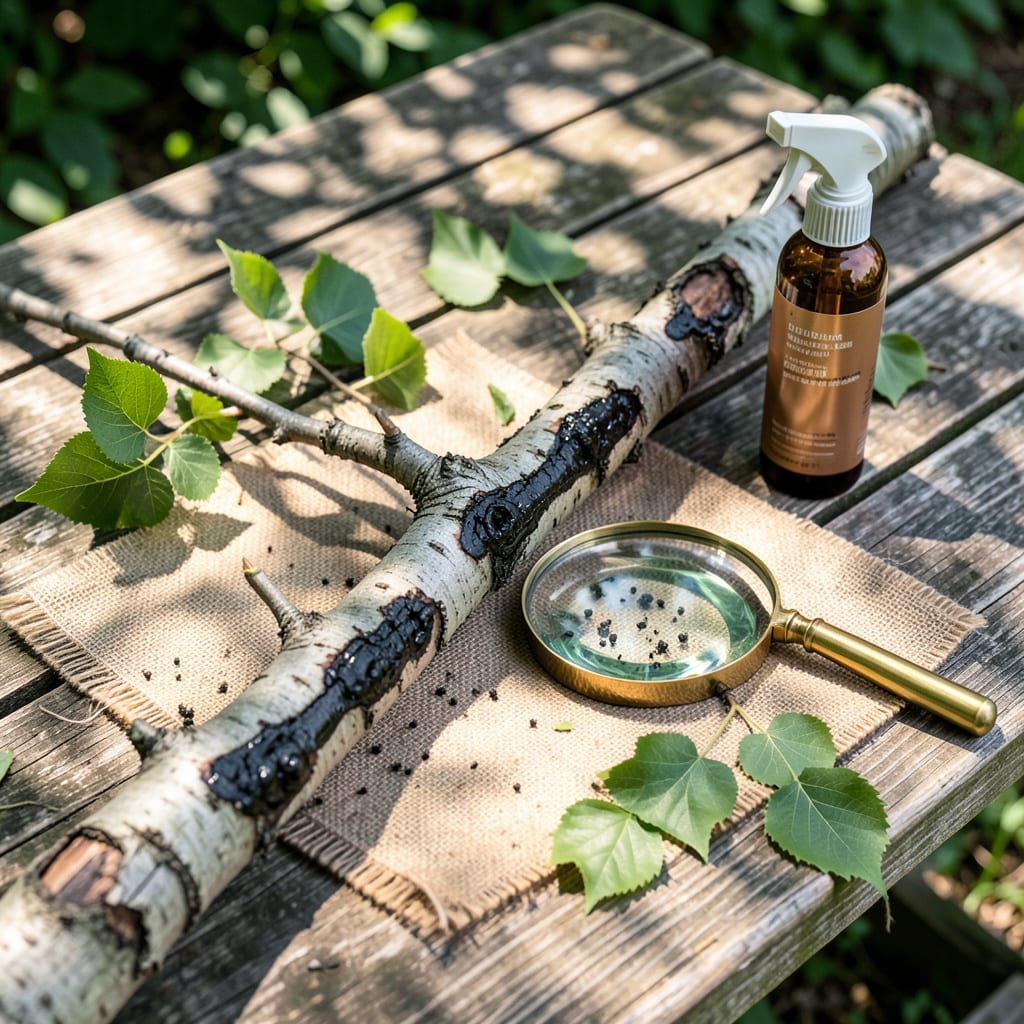
Black canker on willow looks scary, but it’s manageable with the right approach. I’ve saved several trees by catching it early and acting fast—before it spreads to healthy branches.
Pruning infected areas and applying organic fungicides stops the damage. With consistent care, your willow can bounce back to its vibrant, healthy self. Here’s how to tackle it step by step.
📚 In This Guide
Here’s the method I rely on to restore willow health and prevent canker from spreading.
Begin by carefully inspecting your willow for sunken, blackened lesions on the bark, which are the hallmark of black canker. These often appear as elongated, dark patches that may ooze in wet weather. I use a magnifying glass to confirm the presence of fungal spores, which look like tiny black dots within the canker.
Immediately mark infected branches with garden twine to avoid accidental contact during pruning. This disease spreads rapidly through contaminated tools and water splash, so isolation is your first line of defense for the rest of the tree.
Before making any cuts, sterilize your pruning shears or saw with 70% isopropyl alcohol or a 10% bleach solution. I keep a spray bottle of alcohol handy to re-sterilize between cuts, as this prevents transferring spores to healthy tissue.
Prune 6-8 inches below each canker, cutting back to healthy wood where the bark appears normal and green beneath the surface. Make angled cuts away from the trunk to allow water to run off. Remove all infected material from the site and burn it or dispose of it in sealed bags—never compost it.
After pruning, apply a copper-based fungicide to all cut surfaces and the surrounding bark. I use a spray bottle to ensure complete coverage, paying special attention to the areas where branches meet the trunk, as these are common entry points for the fungus.
Reapply the fungicide every 7-10 days during wet weather, as moisture encourages spore germination. Continue this treatment through the growing season, especially in spring and fall when the fungus is most active. This protective barrier is crucial for preventing new infections.
Black canker thrives in stressed trees, so focus on improving your willow’s vigor. Ensure it receives consistent moisture—1-1.5 inches of water per week—but avoid overhead watering that wets the foliage. Mulch around the base with 2-3 inches of organic matter to retain soil moisture and regulate temperature.
Monitor the tree weekly for new cankers or dieback. If the infection recurs, you may need to repeat pruning and fungicide applications. In severe cases, consult an arborist to assess whether the tree can be saved or if removal is necessary to protect nearby willows.
These practical insights will help you treat black canker effectively and avoid common pitfalls.
Isolation Strategy: In Step 1, marking infected branches with garden twine is crucial—this prevents accidental contact during pruning. I learned the hard way that even a single missed branch can reinfect the entire tree through contaminated tools or water splash. Take your time with the inspection and don’t rush this step.
Sterilization Precision: For Step 2, the 70% isopropyl alcohol or 10% bleach solution must be reapplied between every single cut. I keep a dedicated spray bottle of alcohol on hand for this reason. Skipping this step risks spreading spores to healthy wood, undoing all your efforts.
Pruning Depth: When pruning 6-8 inches below each canker in Step 2, always cut back to wood that looks healthy and green beneath the surface. Angled cuts away from the trunk help water run off, preventing moisture from pooling and creating new entry points for the fungus.
Fungicide Timing: In Step 3, reapplying the copper-based fungicide every 7-10 days during wet weather is non-negotiable. Moisture is the enemy here, as it encourages spore germination. I set calendar reminders to stay on schedule, especially in spring and fall when the fungus is most active.
Yes, but early intervention is key! Remove infected branches immediately and apply a copper-based fungicide. Severe cases may require professional help to save the tree.
Prune during dry weather in late winter or early spring before new growth starts. This reduces disease spread and allows the tree to heal faster.
Yes! Neem oil or a baking soda solution (1 tbsp baking soda + 1 gallon water + a few drops of soap) can help. Apply weekly for prevention, but severe infections may need stronger treatments.
Look for dark, sunken lesions on bark, wilting leaves, or blackened branches. Cankers often ooze a dark liquid in wet conditions. Early signs include yellowing or browning foliage.
Stress from drought, poor drainage, or improper pruning can weaken the tree. Improve air circulation, avoid overhead watering, and sterilize pruning tools to prevent recurrence.
