
Beautiful Plants For Your Interior
Beautiful Plants For Your Interior
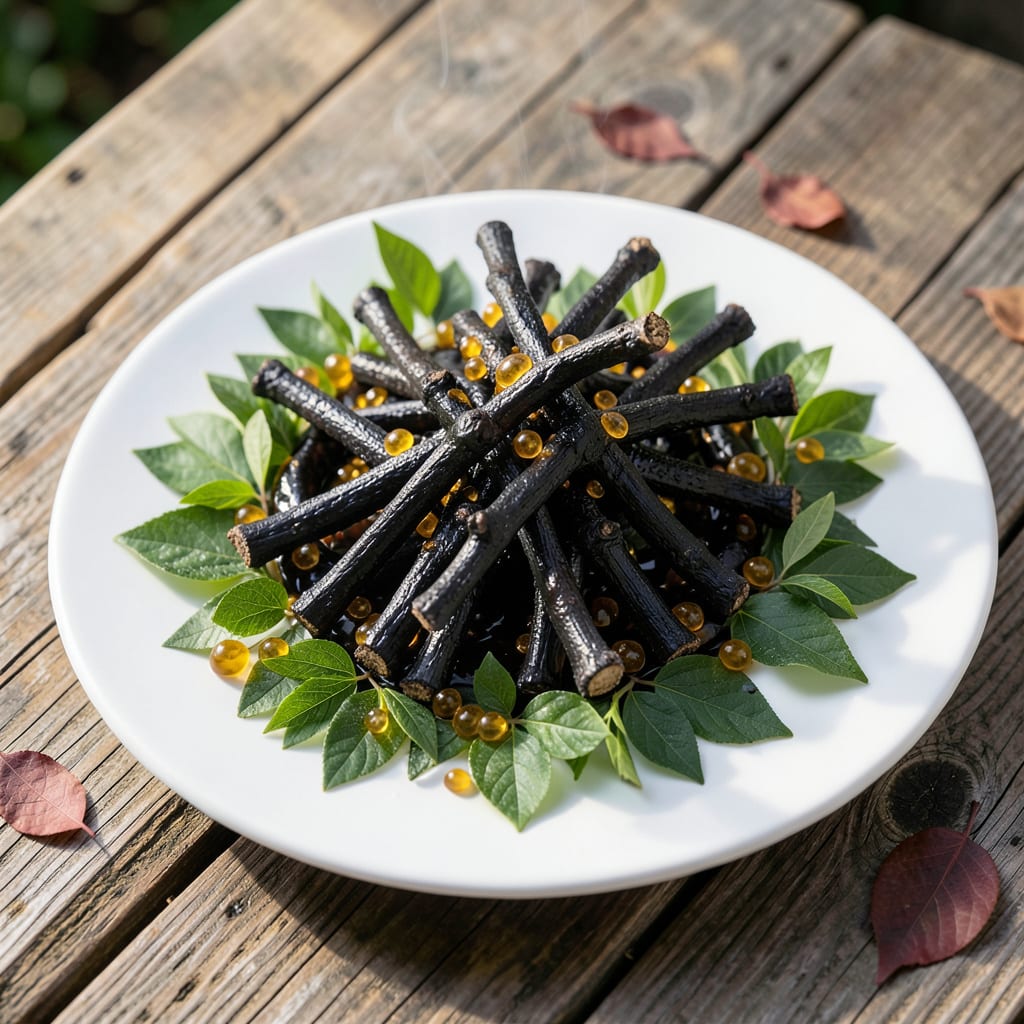
Black knot fungus first appeared on my cherry trees as small, olive-green swellings. 🌿 Within weeks, those growths turned into the telltale black, gnarled galls that threaten the health of the entire tree.
I learned the hard way that early action saves trees. Pruning infected branches 2-4 inches below the gall and removing them from the property stops the spread. The cuts need to be clean, and tools must be sterilized between each cut.
After pruning, applying a copper-based fungicide during dormancy creates a protective barrier. This one-two punch breaks the fungus life cycle and protects next season’s growth.
Regular monitoring catches new infections early. With consistent care, even badly affected trees can recover and produce healthy fruit again.
Black knot fungus, caused by Apiosporina morbosa, thrives under specific environmental and biological conditions. Understanding why it happens is key to preventing its spread in your orchard or garden. Below are the primary causes of this stubborn disease.
This fungus flourishes in wet, humid environments. Prolonged periods of rain, heavy dew, or overhead irrigation create the perfect breeding ground for spores. The pathogen spreads most aggressively during spring and early summer when moisture levels are high. Proper air circulation and avoiding overhead watering can reduce the risk.
Black knot primarily targets plants in the Prunus genus, including cherry, plum, and peach trees. Some cultivars are more vulnerable than others. If your garden includes these species, they’re at higher risk, especially if they’ve been previously exposed to the fungus. Planting resistant varieties or removing highly susceptible hosts can limit infections.
Improper pruning can leave wounds that invite fungal spores. Cuts made during wet seasons or with unclean tools may introduce or spread Apiosporina morbosa. Always sterilize pruning tools between uses and prune during dry weather to minimize contamination.
The fungus spreads via wind, rain, and even contaminated gardening tools. Spores released from existing galls can travel to healthy tissue, initiating new infections. Removing and destroying infected branches promptly reduces the spore load in your environment.
Black knot fungus can be stubborn, but with the right approach, you can stop its spread and restore your tree’s health. Below are targeted solutions for different stages of infection, along with prevention tips to keep it from coming back.
If you spot small, dark swellings on new growth, act fast. Prune infected branches at least 4–6 inches below the knot during dry weather to prevent spores from spreading. Disinfect your pruning tools with rubbing alcohol between cuts. Burn or trash the infected material—never compost it, as spores can survive.
For severe cases, apply a copper or lime sulfur fungicide in early spring (before buds swell) and again after leaf drop in fall. Follow the product’s instructions for dilution and timing. Reapply after rain to maintain protection. Fungicides won’t cure existing knots but will prevent new infections.
Pro tip 🎯: Sterilize tools before and after pruning to avoid cross-contamination. Consistent vigilance is key—black knot thrives in neglected trees!
Apply copper or lime sulfur fungicide twice yearly: in early spring before buds swell and again after leaf drop in fall. Reapply after heavy rain to maintain protection.
Never compost infected material—spores survive and can reinfect your garden. Burn or trash pruned branches immediately to prevent spread.
Prune during dry weather to minimize spore dispersal. Cut 4–6 inches below the gall and sterilize tools between cuts.
Yes, certain plum and cherry cultivars show resistance. Research disease-resistant Prunus varieties for your area to reduce future risk.
