
Beautiful Plants For Your Interior
Beautiful Plants For Your Interior
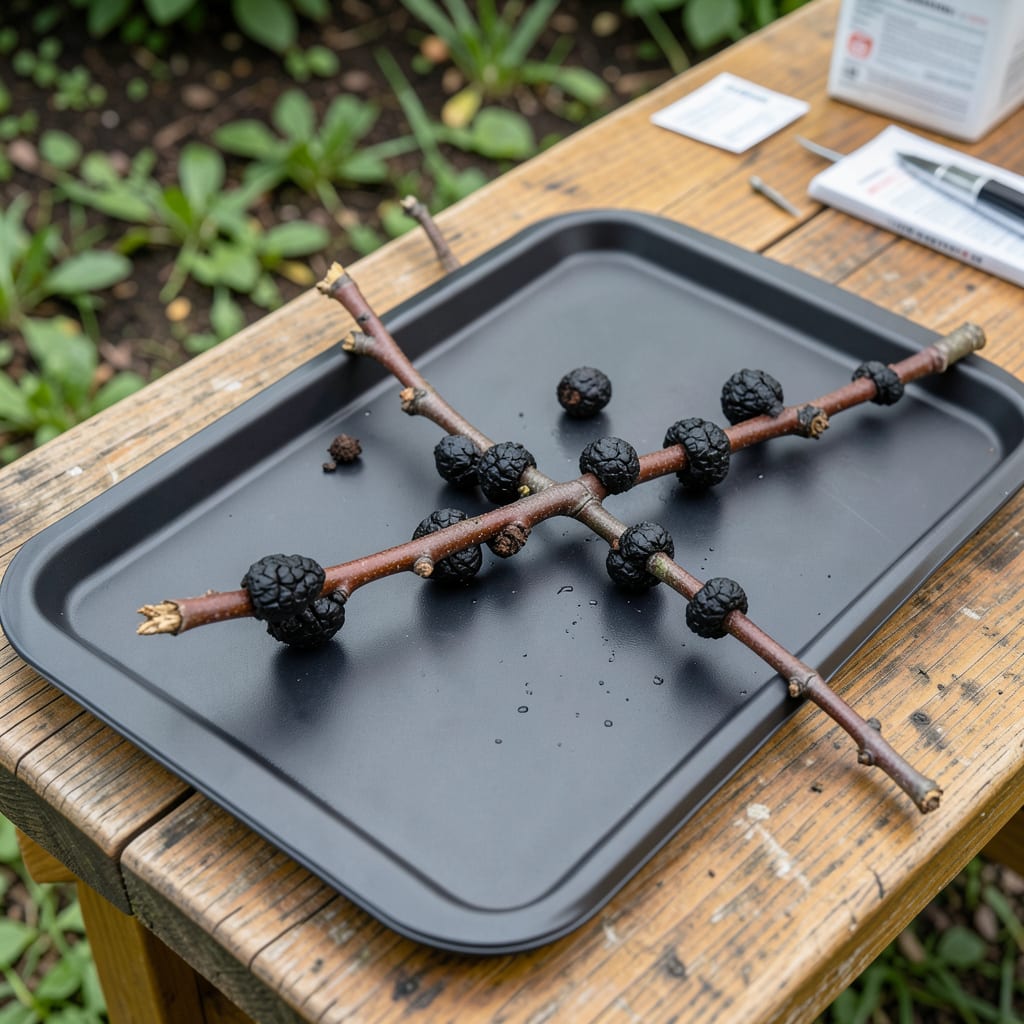
Black knot disease first showed up in my orchard as ugly black swellings on the branches. It spreads fast and can kill a cherry tree in 2-3 years if ignored.
I learned the hard way that pruning isn’t enough—you have to burn the infected wood to stop the fungus from spreading. The key is catching it early, before those black galls rupture and release spores.
With immediate action and proper timing, you can save your tree and protect the rest of your orchard. The difference between a thriving cherry tree and a dead one often comes down to a single pruning session.
This method works for both sweet and tart cherries, and prevents the disease from overwintering in your garden.
Cherry tree black knot disease is caused by the fungus Apiosporina morbosa, which thrives in specific environmental conditions and spreads through predictable pathways. Understanding these triggers helps prevent outbreaks and manage existing infections effectively.
The primary cause is airborne spores released by the Apiosporina morbosa fungus. These spores germinate and infect cherry trees during prolonged wet periods, especially in spring when temperatures range between 55–75°F (13–24°C). Rain, dew, or even overhead irrigation provide the moisture needed for spores to adhere to branches, twigs, or fruit. Once established, the fungus penetrates the tree through wounds, leaf scars, or natural openings in the bark.
Improper pruning creates entry points for the fungus. Cuts made with unsterilized tools or at the wrong time of year (e.g., late summer or fall) can leave trees vulnerable. The fungus loves fresh wounds, so pruning during dry, dormant seasons (late winter) and disinfecting tools between cuts with a 10% bleach solution or rubbing alcohol can significantly reduce infection risk.
Trees growing in dense, poorly ventilated conditions are more susceptible. Limited airflow slows drying, extending the window for spore germination. Additionally, stressed trees—whether from drought, nutrient deficiencies, or root damage—have weakened defenses, making them easier targets for A. morbosa. Ensuring proper spacing (15–20 feet apart for standard trees) and maintaining tree health through regular watering and fertilization can lower vulnerability.
Act fast to stop black knot from spreading. Here’s how to tackle each cause and prevent future outbreaks.
Remove all swollen, black galls immediately—even if they’re small. Use sterilized pruning shears to cut at least 2–4 inches below the gall. Disinfect tools with rubbing alcohol between cuts to avoid spreading spores. Burn or trash the infected wood—do not compost it.
Rake and destroy fallen leaves, twigs, and fruit under the tree. These harbor fungal spores that can reinfect your cherry tree. A clean garden bed reduces the risk of recurrence.
Spray a copper-based fungicide or lime sulfur in early spring (just before buds swell) and again in late fall after leaf drop. Follow label instructions for dilution and safety. This protects new growth from spores.
Stressed trees are more vulnerable. Keep your cherry tree strong with:
💡 Prevention Tip: Plant resistant varieties like ‘Meteor’ or ‘North Star’ if black knot is common in your area. Always inspect new trees for galls before planting!
Look for hard, black swellings on branches or twigs. These galls start small and olive-green, then darken and grow. They often appear in late summer or fall and can spread quickly.
Prune during dry, dormant seasons, ideally in late winter before buds swell. Avoid pruning in wet weather, as this can spread spores. Always sterilize tools between cuts.
No, never compost infected wood. The fungus can survive and spread. Instead, burn the wood or dispose of it in sealed trash bags to prevent reinfection.
