
Beautiful Plants For Your Interior
Beautiful Plants For Your Interior
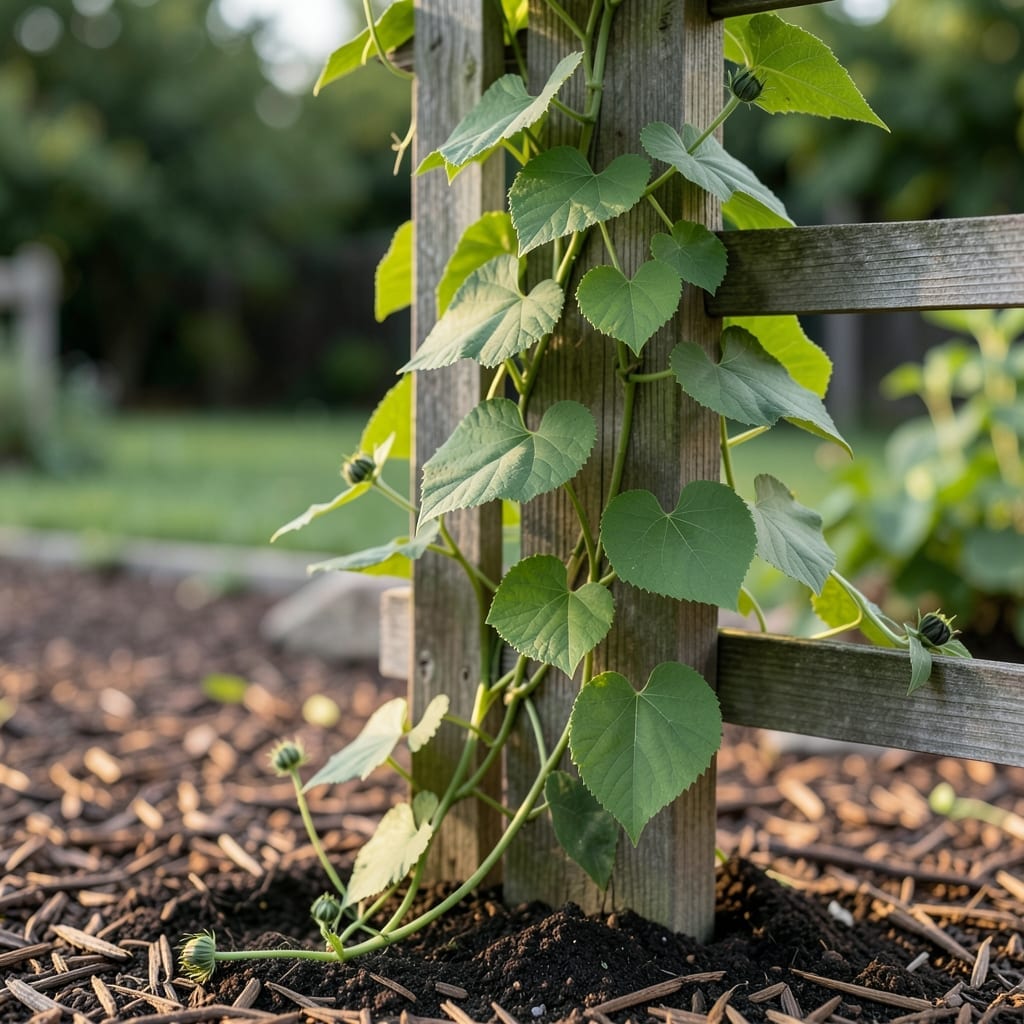
My black eyed susan vine looked healthy but refused to bloom last summer. Turns out, it was starving for sunlight and the wrong kind of attention.
These vines need full sun—at least 6-8 hours daily. Without it, they focus on leaf growth instead of flowers. I also learned they’re not heavy feeders; too much nitrogen gives you greenery but no blooms.
After adjusting the light and switching to a low-nitrogen fertilizer, the difference was shocking. Buds appeared within 2 weeks, and the vine exploded with color by midseason.
Simple fixes, big results. No more blank stares from a vine that should be covered in golden flowers.
If your black eyed Susan vine (Thunbergia alata) isn’t blooming, the issue often stems from environmental or care-related factors. Here are the most common causes, explained with actionable insights:
Black eyed Susan vines thrive in full sun (6+ hours of direct light daily). Insufficient light disrupts photosynthesis, reducing the energy needed for flower production. If your vine is in shade or low-light conditions, it may focus on foliage growth instead of blooms. Move it to a sunnier spot or supplement with grow lights.
This plant prefers consistently moist but well-drained soil. Overwatering leads to root rot, which stresses the plant and halts flowering. Conversely, drought stress (under-watering) forces the vine into survival mode, diverting resources from blooms. Check soil moisture—water when the top inch feels dry.
Too much nitrogen (common in high-nitrogen fertilizers) promotes lush leaves but fewer flowers. Black eyed Susan vines need phosphorus (for blooms) and potassium (for overall health). Switch to a balanced, bloom-boosting fertilizer (e.g., 10-10-10 or 5-10-5) and reduce nitrogen-heavy feeds.
These vines are warm-season plants and struggle below 50°F (10°C). Cold snaps or inconsistent temperatures can delay or prevent blooming. If evenings are chilly, protect the vine with row covers or move potted plants indoors until temperatures stabilize.
Young or newly transplanted vines may take 4–6 weeks to establish roots before blooming. Additionally, pruning at the wrong time (e.g., late-season cuts) can remove flower buds. Prune lightly in early spring to encourage bushier growth and more blooms.
If your black-eyed Susan vine isn’t blooming, don’t worry—there are practical fixes for every common cause. Below, we map each issue to a clear solution, plus prevention tips to keep your vine thriving.
Black-eyed Susan vines need at least 6–8 hours of direct sunlight daily. If yours is in shade, relocate it to a sunnier area or trim nearby foliage blocking light. For potted plants, shift them to a south-facing balcony or patio. Prevention: Plant in full sun from the start and monitor light changes as seasons shift.
Soggy roots suffocate the plant and halt blooms. Let the top 1–2 inches of soil dry out between waterings. Ensure pots have drainage holes, and amend heavy soil with perlite or compost. Prevention: Use a moisture meter to avoid guesswork, and water deeply but less frequently.
Too much nitrogen promotes leafy growth but fewer flowers. Switch to a balanced, low-nitrogen fertilizer (e.g., 10-10-10) or a bloom-boosting formula (like 5-10-10) every 4–6 weeks in growing season. Prevention: Test soil annually and avoid over-fertilizing; organic compost can provide gentle, steady nutrients.
Leggy, overgrown vines focus energy on growth, not blooms. Prune back one-third of the stems in early spring or after the first flush of flowers to stimulate new, flower-bearing growth. Prevention: Deadhead spent blooms regularly to redirect energy into producing more flowers.
Black-eyed Susan vines thrive in 60–80°F. If nights are chilly (below 50°F) or days are scorching (above 90°F), blooms may stall. Move potted plants indoors or to a sheltered spot during heatwaves or cold snaps. Prevention: Plant after the last frost and use mulch to insulate roots from temperature swings.
💡 Pro Tip: If all else fails, check for pests like aphids or spider mites, which can sap the plant’s strength. A blast of water or insecticidal soap can often solve the problem before it affects blooming.
It thrives with 6-8 hours of direct sunlight. Less than this often leads to leafy growth instead of flowers. Move to a sunnier spot if blooms are missing.
Yes, if you’re using high-nitrogen fertilizer. Switch to a balanced or bloom-boosting formula with higher phosphorus to encourage flowers.
Prune lightly in early spring or after the first flush of flowers. Avoid late-season cuts as they can remove potential buds.
Temperatures below 50°F or above 90°F can stress the vine and delay or prevent blooms. Protect from extremes.