
Beautiful Plants For Your Interior
Beautiful Plants For Your Interior
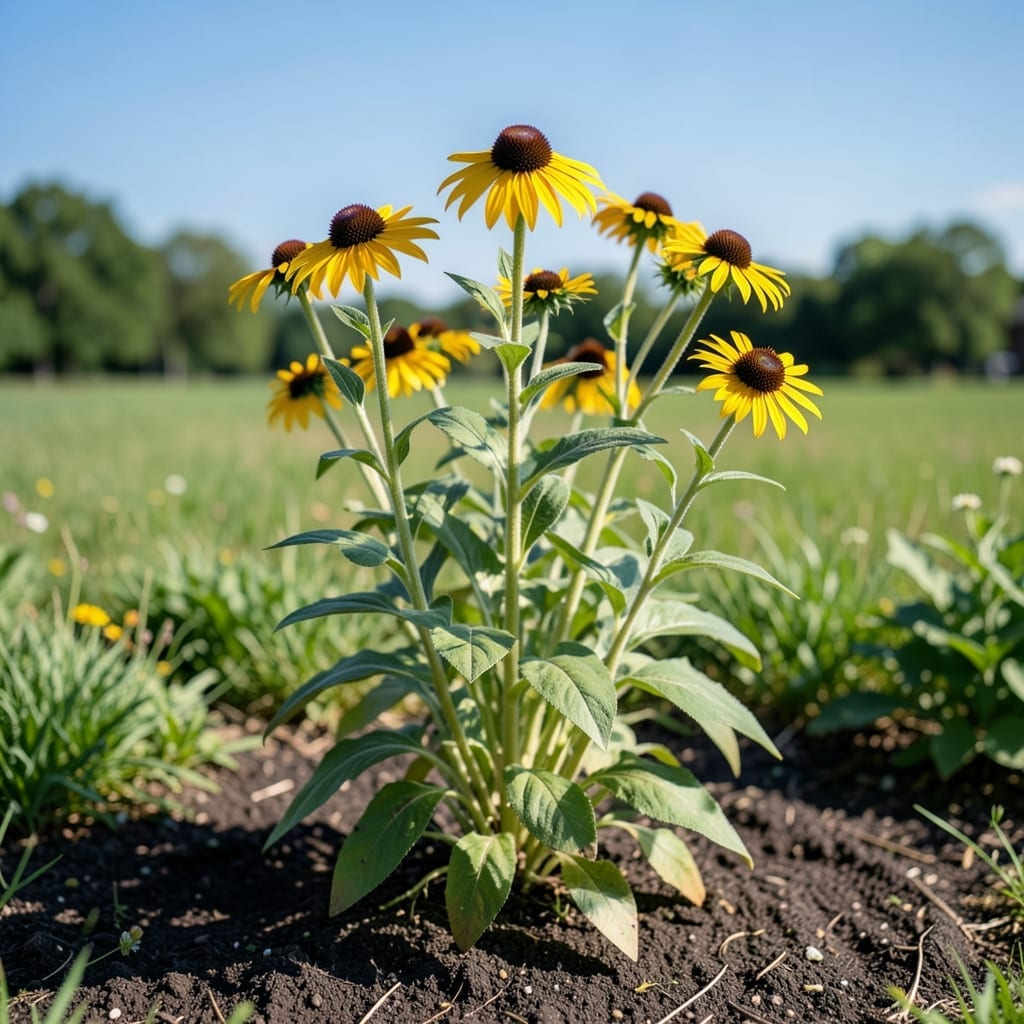
Spring brings fresh growth to black eyed susans, with new leaves emerging bright green and slightly fuzzy.
These early leaves signal the plant’s wake-up after winter. Check for healthy growth, remove any damaged foliage, and ensure the soil stays moist but not soggy to support this seasonal renewal.
Bare bones tools for spring black eyed susan care. Most are garage staples.
| Ingredient | Amount | Notes |
|---|---|---|
| Pruning Shears ✂️ | 1 piece | Sharp clean blades essential |
| Garden Gloves 🪴 | 1 piece | Durable nitrile or leather |
| Balanced Fertilizer 🧪 | 1 lb | 10-10-10 NPK ratio |
| Watering Can 💧 | 1 piece | With adjustable spout |
| Compost 🌾 | 2 gallons | Well-aged organic matter |
| Mulch 🪵 | 3 gallons | Shredded bark or straw |
| Hand Trowel 🔧 | 1 piece | Sturdy metal blade |
| Soil pH Tester 🌡️ | 1 piece | Digital or analog probe |
[recipe_ingredient_scaler]
Quality shears make clean cuts without crushing stems. I grab mine from Home Depot—Fiskars or Felco brands last forever (worth the extra dollar). Compost should be dark and crumbly, not chunky or sour-smelling. Most garden centers carry it in bags, but local farms often sell bulk for cheaper.
No pH tester? A basic soil test kit from Lowe’s works just as well. Mulch can be straw, pine needles, or even shredded leaves if that’s what you’ve got (the good stuff, not the bagged-up dirt from a sale). Skip the fertilizer if your soil is already rich—overfeeding causes leaf burn.
Store tools in a dry shed to prevent rust. Leftover compost and mulch keep for years in sealed bags. I label everything with date and type so I’m not guessing next spring.
Here’s the professional method I use to nurture healthy spring growth and vibrant blooms.
Put on the garden gloves and inspect the area around your black eyed susans. Remove any winter debris or dead foliage with the hand trowel to prevent disease and allow new growth to emerge unobstructed.
Check for signs of pests or fungal issues on the leaves. Early detection makes treatment easier. Clear a 2-foot radius around each plant to improve air circulation, which helps prevent common spring diseases.
Use the soil pH tester to check the soil around your plants. Black eyed susans thrive in a pH range of 6.0 to 7.5. If the pH is outside this range, work in some of the compost to balance it.
Spread the 2 gallons of compost evenly around the base of the plants, using the hand trowel to gently work it into the top 1-2 inches of soil. This improves drainage and adds essential nutrients for spring growth.
Spread the 3 gallons of mulch around the plants, maintaining a 2-3 inch layer to conserve moisture and suppress weeds. Keep the mulch 1 inch away from the stems to prevent rot.
Mulch also helps regulate soil temperature, which is crucial as spring temperatures fluctuate. Use the hand trowel to even out the mulch and ensure full coverage around the planting area.
Apply the 1 lb of balanced fertilizer evenly around the plants, following the package instructions for coverage. Water lightly afterward using the watering can to help the fertilizer soak into the soil.
This provides the nutrients needed for robust leaf and stem development. Avoid over-fertilizing, as this can lead to excessive foliage at the expense of flowers.
If your black eyed susans have become leggy or overgrown, use the pruning shears to trim back the stems by about one-third. This encourages bushier growth and more abundant blooms.
Prune just above a leaf node to promote healthy regrowth. Always clean the pruning shears with rubbing alcohol between cuts to prevent the spread of disease.
For a refreshing contrast to the earthy, slightly bitter notes of black eyed Susan leaves in spring, try a crisp Pilsner. Its light, citrusy profile complements the fresh greenery beautifully. 🍺 Another great choice is a Wheat Beer, with its smooth, slightly fruity undertones that balance the herbal flavors of the leaves.
A zesty Sauvignon Blanc pairs wonderfully with the vibrant spring notes of black eyed Susan leaves. Its bright acidity and hints of grapefruit or lime enhance the natural freshness of the foliage. 🍷 For a red option, a light-bodied Pinot Noir offers subtle berry flavors that won’t overpower the delicate taste of the leaves.
If you prefer non-alcoholic drinks, a sparkling Elderflower Lemonade adds a floral touch that mirrors the black eyed Susan’s charm. 🌸 Alternatively, a crisp Green Tea with its mild grassy notes harmonizes with the springtime essence of the leaves.