
Beautiful Plants For Your Interior
Beautiful Plants For Your Interior
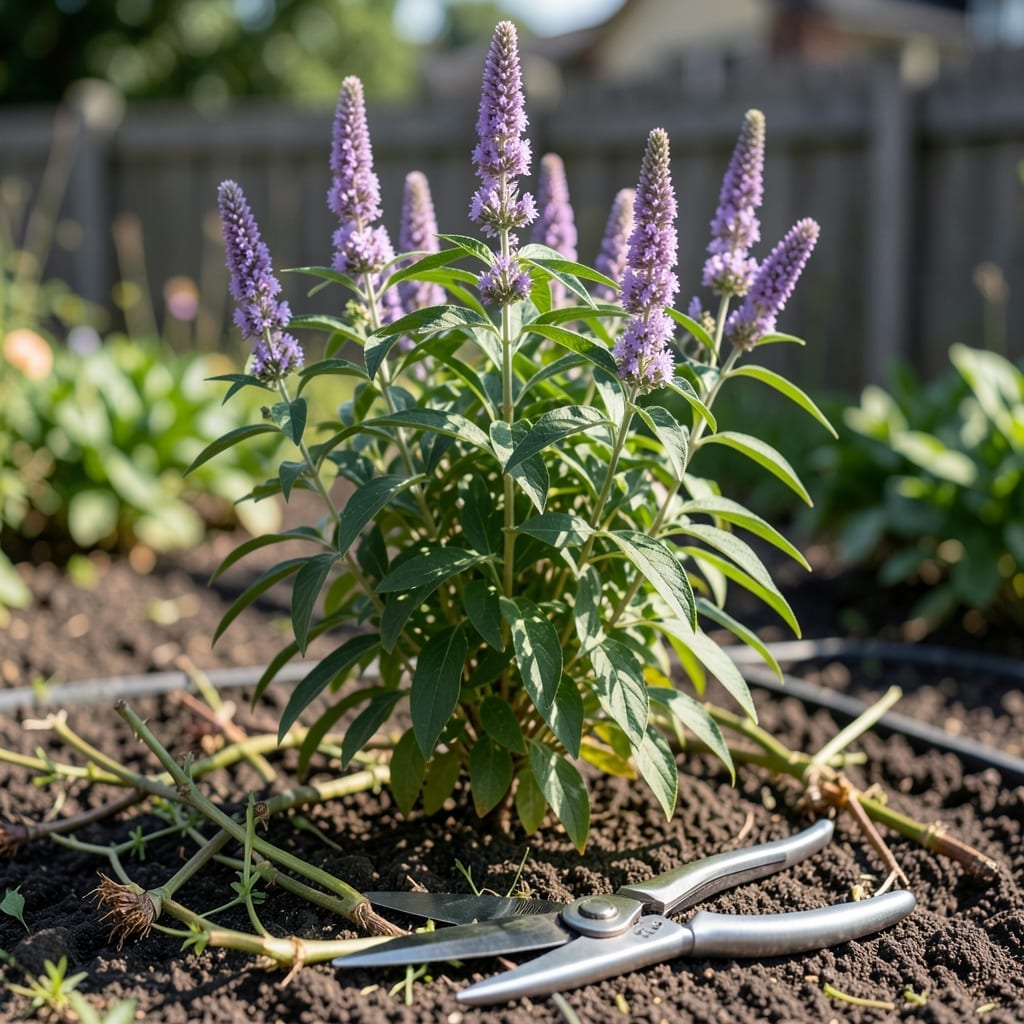
Timing is everything when it comes to keeping your 🦋 Butterfly Bush healthy and blooming. Prune too early or too late, and you risk stunting its growth or losing those vibrant flowers.
I’ve learned that getting this right transforms your garden from ordinary to extraordinary. The good news? It’s easier than you think once you know the seasonal sweet spot.
Discover the simple timing trick that ensures your Butterfly Bush thrives year after year, with minimal effort and maximum impact.
I’ve found that the perfect pruning window for butterfly bushes is late winter to early spring. This timing allows the plant to recover before new growth starts. Pruning during this period encourages stronger stems and more vibrant blooms throughout the growing season.
Waiting until the last frost has passed is crucial, especially in colder climates. Pruning too early in winter can leave the plant vulnerable to cold damage, while pruning too late in spring may cut off potential flower buds.
| Pruning Stage | Recommended Timing | Key Benefit |
|---|---|---|
| Hard Pruning | Late Winter | Promotes new growth |
| Light Pruning | Early Spring | Encourages blooming |
| Deadheading | After Flowering | Extends bloom season |
In USDA zones 5-9, where butterfly bushes thrive, I recommend pruning just as the first signs of spring appear. This is typically March or early April, depending on your local climate. Watch for swelling buds as a natural signal that it’s time to act.
For gardeners in milder climates, you might start pruning as early as February. However, in colder regions, it’s safer to wait until April to avoid frost damage to new growth. Always check your local last frost date for guidance.
Avoid pruning in the fall, as this can stimulate new growth that won’t have time to harden off before winter. This new growth is particularly susceptible to frost and can lead to dieback, weakening the plant for the next season.
One of the biggest mistakes I see is pruning too lightly. Butterfly bushes respond well to hard pruning, which means cutting them back to about 12-24 inches from the ground. This might seem drastic, but it encourages strong, healthy growth and more abundant flowers.
If you’re unsure about when to prune, observe your plant closely. When you notice new shoots beginning to emerge at the base, it’s a clear sign that the plant is ready for pruning. This usually occurs just as the days start lengthening and temperatures begin to rise.
Remember that consistent pruning not only keeps your butterfly bush looking tidy but also improves its overall health. Regular pruning helps prevent disease by increasing air circulation and sunlight penetration to the center of the plant.
Finally, always use clean, sharp pruning tools to make smooth cuts. This reduces stress on the plant and helps prevent the spread of diseases. After pruning, I like to give my butterfly bushes a light feeding with a balanced fertilizer to support their recovery and growth.
With the right timing and technique, your butterfly bush will reward you with lush foliage and abundant blooms that attract pollinators all season long ✂️
Pruning butterfly bushes doesn’t have to be intimidating. I’ve learned that with the right tools and simple techniques, anyone can achieve professional results. Start by gathering sharp pruning shears and loppers for thicker branches.
First, remove all dead or damaged wood at the base. This clears the way for new growth and prevents disease. Next, cut back the remaining stems to about 12-24 inches from the ground, focusing on creating an open center for better air circulation.
When shaping your butterfly bush, aim for a rounded form that allows sunlight to reach all parts of the plant. This helps prevent mold or mildew in the dense center. I always make my cuts just above a bud or leaf node to encourage healthy regrowth.
Don’t forget to clean up thoroughly after pruning. Remove all cuttings and debris from around the base to eliminate hiding spots for pests. This also prevents disease spread and keeps your garden looking tidy.
After pruning, I recommend giving your butterfly bush a deep watering to help it recover. Follow this with a light application of balanced fertilizer to support new growth. This combination gives your plant the best start for the growing season.
Remember that consistent annual pruning keeps your butterfly bush vibrant and flowering abundantly. The first year might feel dramatic, but you’ll see the benefits in stronger stems and more blooms the following season.
With these simple steps, you’ll have a healthy, flourishing butterfly bush that becomes the centerpiece of your garden every summer ✂️