
Beautiful Plants For Your Interior
Beautiful Plants For Your Interior
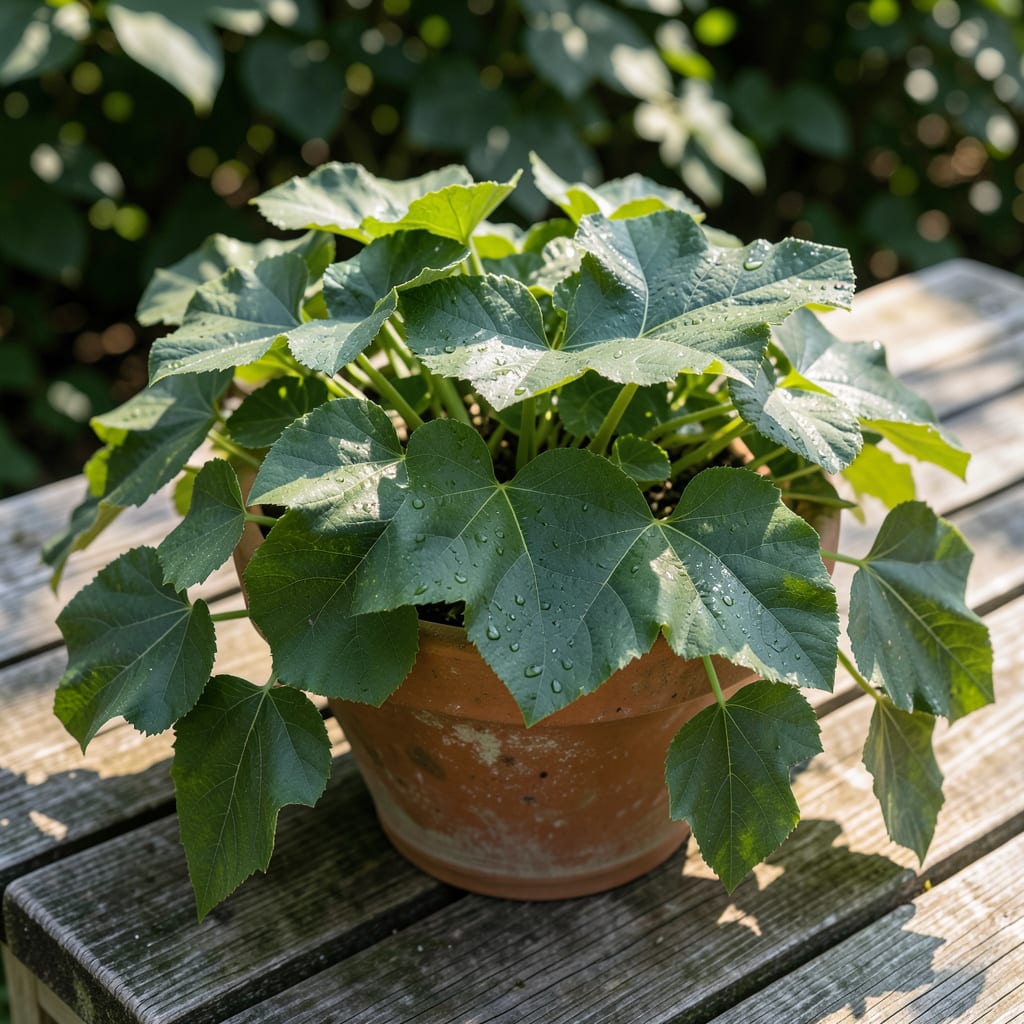
Black Eyed Susan vine leaves can transform any space with their lush green trailing foliage, but yellow spots or wilting often signal trouble. I’ve learned the hard way that early diagnosis saves the whole plant.
Most issues stem from overwatering, poor drainage, or hungry pests. Fix the root cause—whether it’s adjusting water or adding neem oil—and your vines will bounce back with vibrant growth in weeks. Simple tweaks make all the difference.
📚 In This Guide
Here’s the method I rely on to get the most out of these trailing plants for vibrant displays.
Choose a spot with full sun to partial shade—these vines thrive in 6-8 hours of sunlight daily. I always check the area for wind exposure too, since strong gusts can damage the delicate stems and leaves. A sheltered fence or trellis works perfectly for support.
If planting in containers, ensure they’re large enough to accommodate the vigorous growth. The soil should be well-draining to prevent root rot. I’ve found that amending with compost gives the vines a strong start, encouraging lush, healthy foliage.
Work the soil to a depth of 12-18 inches, removing any rocks or debris. Black Eyed Susan vines prefer loamy, slightly acidic soil with a pH between 6.0 and 6.5. If your soil is heavy clay or sandy, mix in organic matter like compost or peat moss to improve texture and fertility.
I like to add a slow-release fertilizer at planting to provide consistent nutrients. This step ensures the roots establish quickly, leading to dense, trailing foliage that fills out beautifully over time.
Space plants 18-24 inches apart to allow for their sprawling habit. If you’re growing them on a trellis or fence, plant them slightly closer—12 inches apart—so they intertwine and create a lush, continuous display. Dig a hole twice as wide as the root ball and just as deep.
After planting, water deeply to settle the soil and eliminate air pockets. I gently twist the vines around the support structure to encourage upward growth. Without guidance, they’ll sprawl across the ground, which can look messy and increases the risk of disease.
Water the vines 1-2 times per week, ensuring the soil stays evenly moist but not waterlogged. I check the top 1 inch of soil—if it feels dry, it’s time to water. During extreme heat, you may need to increase frequency to prevent wilting.
Feed the plants with a balanced liquid fertilizer every 4-6 weeks during the growing season. This keeps the foliage vibrant and encourages continuous trailing growth. Prune back any leggy or damaged stems to promote bushier, healthier plants.
As temperatures rise, watch for signs of stress like yellowing leaves or wilting. If the vines look heat-stressed, provide afternoon shade or increase watering temporarily. I’ve found that a layer of mulch helps retain moisture and keeps the roots cool.
In late summer, reduce watering slightly to encourage dormancy as the season winds down. This step helps the plants transition smoothly into fall without becoming waterlogged or developing fungal issues.
Small adjustments in planting and care can transform your trailing display from sparse to spectacular.
Sunlight Strategy: The 6-8 hours of sunlight requirement in Step 1 isn’t just a suggestion—it’s the difference between leggy, weak growth and dense, vibrant foliage. I learned this the hard way after planting some in deep shade. Morning sun with afternoon shade works beautifully in hotter climates, while full sun produces the most prolific trailing.
Soil Preparation Insight: When working the soil to that 12-18 inch depth in Step 2, don’t just dig—improve. Mixing in at least 2-3 inches of compost or well-rotted manure creates the loose, fertile foundation these vines adore. The pH range of 6.0 to 6.5 is ideal; test your soil and amend with lime or sulfur if needed.
Spacing for Success: That 18-24 inch spacing in Step 3 might seem generous, but these vines grow fast. Planting too close leads to a tangled mess that’s hard to maintain. For vertical displays on trellises, the 12 inch spacing creates that lush, continuous curtain effect without overcrowding.
Watering Wisdom: The 1-2 times per week watering schedule in Step 4 depends entirely on your conditions. In sandy soil or during heatwaves, you might need to water every other day. The 1 inch soil check is your best guide—when the top inch is dry, it’s time. Deep watering encourages strong root systems, so when you do water, soak thoroughly.
Yellowing leaves often signal overwatering or poor drainage. Ensure the soil is well-draining and water only when the top inch feels dry. Nutrient deficiencies or too much direct sun can also cause this issue.
Plant in spring after the last frost, when soil temperatures reach at least 60°F. This warm-season vine thrives in heat and will grow rapidly once established.
It prefers full sun (6+ hours daily) for optimal blooming but tolerates partial shade. However, expect fewer flowers and slower growth in shadier spots.
Fertilize lightly with a balanced, water-soluble fertilizer every 4-6 weeks. Prune leggy stems to promote bushier growth and deadhead spent blooms to encourage new ones.
Try cold-hardy alternatives like sweet pea (annual) or clematis (perennial). Both offer trailing growth and vibrant blooms but tolerate cooler temperatures better.
