
Beautiful Plants For Your Interior
Beautiful Plants For Your Interior
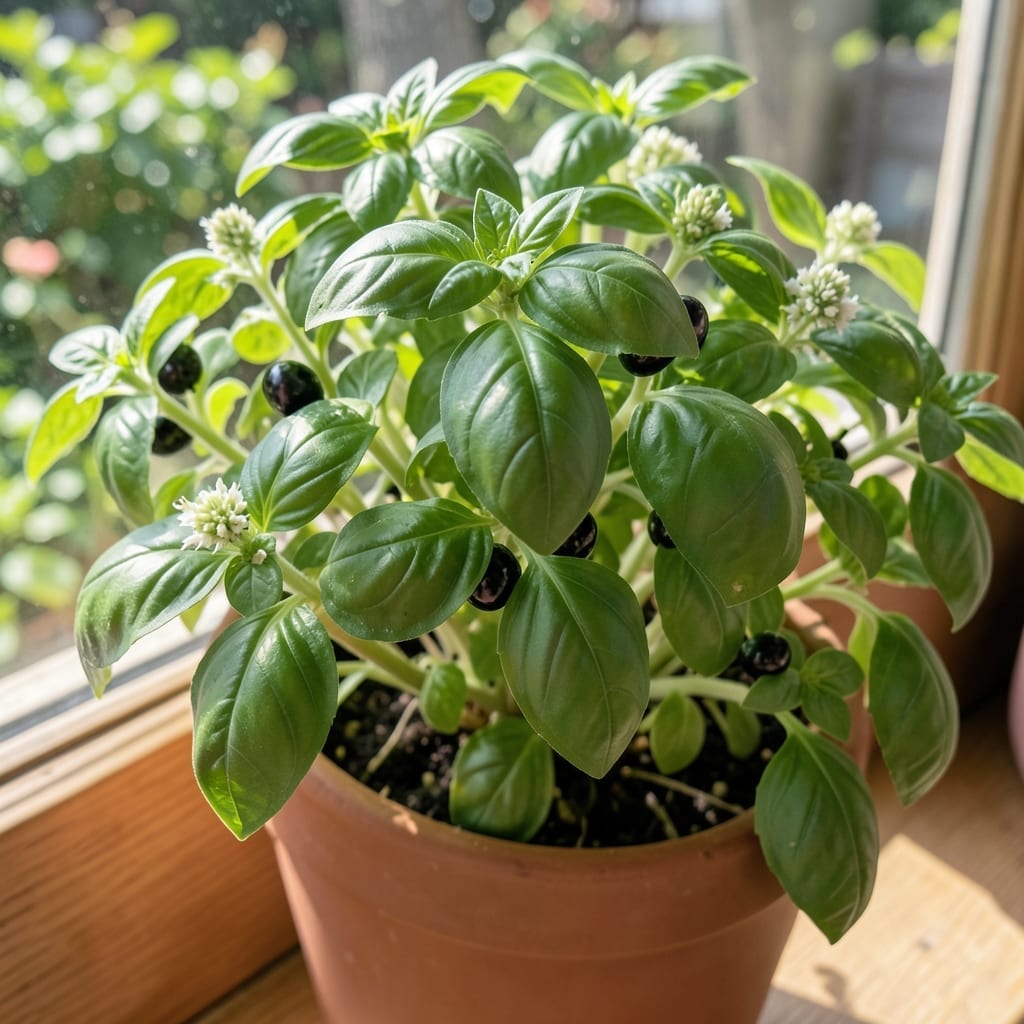
Those tiny black eggs on your basil leaves aren’t just unsightly—they’re the first sign of a pest party. I’ve battled this exact issue in my garden, and the key is catching it early before the hatchlings start munching.
Most likely culprits are aphids or beetles, which love to lay eggs on tender basil. Left unchecked, they’ll spread to other plants near your pond, turning a small problem into a full-blown infestation.
Natural solutions like neem oil or a strong water spray can stop them in their tracks. The trick is consistency—treat every 2-3 days until the eggs disappear.
Prevention is simpler than you think: inspect leaves weekly and keep your pond area clean. A little vigilance saves you a season of frustration.
Black eggs on basil leaves are a common sign of pest activity, and understanding the root causes can help you address the problem effectively. Below are the most likely culprits behind this phenomenon.
Aphids are tiny, sap-sucking insects that often lay black or dark-colored eggs on the undersides of leaves. These pests thrive in warm, humid conditions and can quickly multiply, leading to clusters of eggs on your basil. Aphids are attracted to the tender new growth of basil plants, making them a prime target for egg-laying.
Spider mites, though not true insects, are another common pest that can leave black eggs on basil leaves. These mites are barely visible to the naked eye but can cause significant damage by piercing plant cells and sucking out the contents. Their eggs are often laid in webbing, which can appear as black specks on the leaves.
Whiteflies are small, winged insects that lay tiny black eggs on the undersides of leaves. These eggs hatch into nymphs that feed on plant sap, weakening the basil and leaving behind a sticky residue known as honeydew. Whiteflies are particularly fond of basil and can quickly infest a plant if left unchecked.
In some cases, black spots that resemble eggs may actually be symptoms of fungal or bacterial infections. Conditions like downy mildew or bacterial leaf spot can cause dark, egg-like lesions on basil leaves. These infections often thrive in wet, poorly ventilated environments, so proper plant care is essential to prevent them.
Dealing with black eggs on basil leaves near your pond can be frustrating, but these targeted solutions will help you eliminate the issue and prevent future outbreaks. Here’s how to tackle each cause effectively:
If aphids or scale insects are the culprits, start by pruning heavily infested leaves and disposing of them in sealed bags. For lighter cases, blast the eggs off with a strong stream of water. Follow up with a neem oil spray (1 tbsp neem oil + 1 tsp dish soap per gallon of water) to disrupt their life cycle. Prevention tip: 💡 Introduce beneficial insects like ladybugs or lacewings to your garden—they’ll naturally keep pest populations in check.
Spider mites thrive in dry conditions. Spray plants with water daily to increase humidity and dislodge eggs. For severe infestations, use insecticidal soap (apply in the early morning or late evening to avoid leaf burn). Prevention tip: 🌿 Plant companion herbs like mint or chives near your basil—their strong scents repel mites.
Fungal eggs often appear in damp, stagnant environments. Trim dense foliage to improve airflow and reduce moisture buildup. If the problem persists, apply a baking soda spray (1 tsp baking soda + 1 quart water + a few drops of dish soap) to inhibit fungal growth. Prevention tip: ☀️ Water basil at the base in the morning so leaves dry quickly in the sun.
Aphids, spider mites, and whiteflies are the primary culprits. These pests target the undersides of leaves, especially in warm, humid environments like those near ponds.
Yes! A strong water spray can dislodge eggs, and a neem oil solution (1 tbsp oil + 1 tsp dish soap per gallon of water) disrupts their life cycle. Apply every 2-3 days for best results.
Inspect leaves weekly, improve airflow around plants, and introduce beneficial insects like ladybugs. Rotate crops yearly to break pest cycles.