
Beautiful Plants For Your Interior
Beautiful Plants For Your Interior
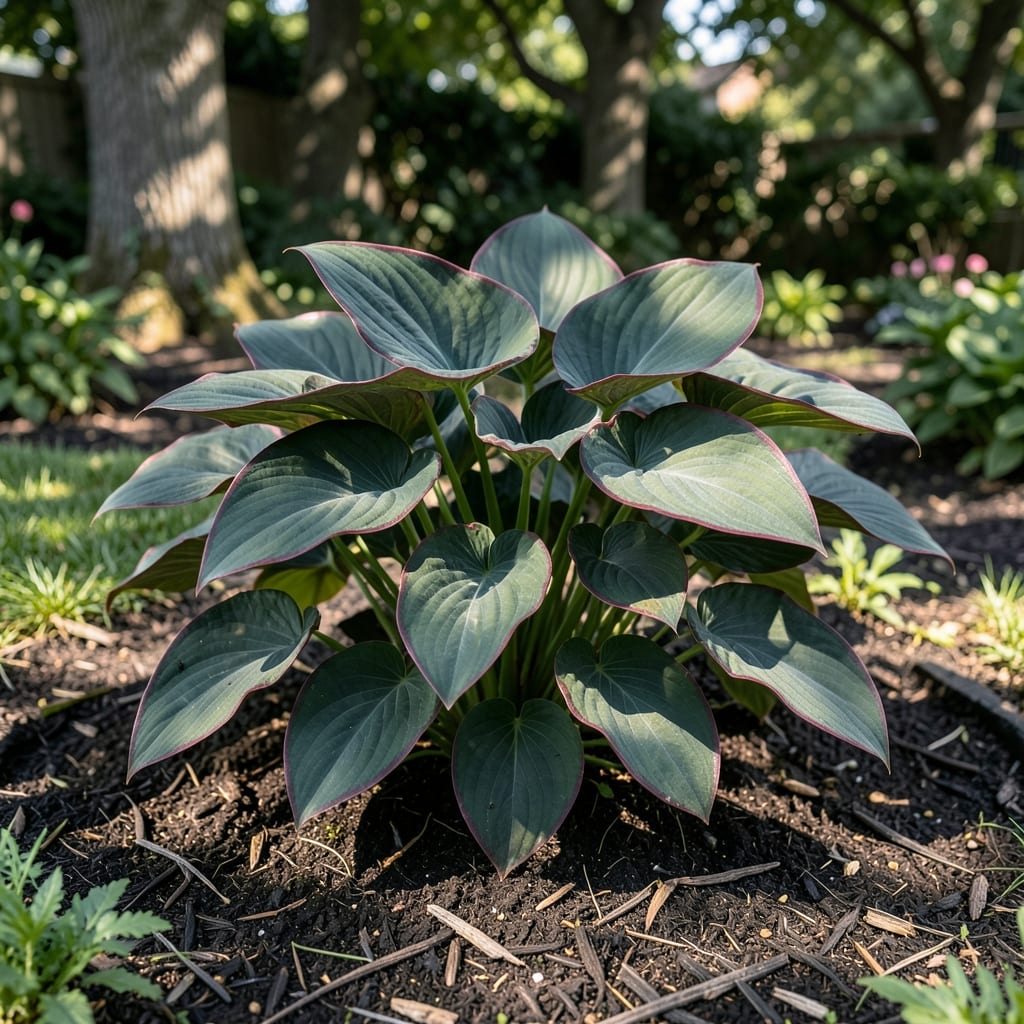
Black and red hostas feature dramatic dark foliage with vibrant red accents. They thrive in partial shade, need consistently moist soil, and benefit from mulch to retain moisture and suppress weeds.
I love how these striking plants can transform a shady garden spot into a focal point. The deep tones work beautifully as contrast plants alongside lighter foliage. 🌟
In my experience, they do best with morning sun and afternoon shade, especially in warmer climates. A 2-3 inch layer of organic mulch keeps their roots happy during dry spells.
💡 In This Article
The color intensity of these hostas depends heavily on light exposure. Too much direct sun can scorch the dark leaves, while deep shade may dull the red accents. The sweet spot is 4-6 hours of morning sunlight with dappled afternoon shade, which enhances the contrast between the deep green-black and vibrant red tones. 🔥
Soil quality directly impacts growth and color vibrancy. These plants prefer slightly acidic to neutral soil (pH 6.0-7.0) rich in organic matter. I’ve seen the best results with a mix of 50% garden soil, 30% compost, and 20% perlite for drainage.
The perlite prevents waterlogging, which is crucial as hostas are prone to root rot in soggy conditions.
Watering needs are consistent but not excessive. Aim for 1-1.5 inches of water per week, either from rainfall or irrigation. The key is maintaining even moisture—let the top 1 inch of soil dry between waterings. Mulching with 2-3 inches of shredded bark helps retain moisture while keeping soil temperatures stable. ✨
Temperature tolerance varies by cultivar, but most black and red hostas thrive in USDA zones 3-8. In hotter climates (zone 8+), they benefit from extra shade and frequent watering. I’ve noticed that varieties like ‘Black Beauty‘ maintain their color better in cooler summers, while ‘Red October’ develops more intense reds in moderate heat.
Nutrient-wise, these hostas respond well to balanced fertilizers. Apply a 10-10-10 or 12-4-8 formula in early spring as new growth emerges, then again in midsummer. Avoid high-nitrogen fertilizers late in the season, as they can promote tender growth that’s vulnerable to frost damage. 💫
They thrive with 4-6 hours of morning sun and afternoon shade. Too much direct sunlight can scorch the dark leaves, while deep shade may reduce the vibrancy of the red accents.
These plants prefer slightly acidic to neutral soil, ideally between 6.0-7.0 pH. Adding compost improves both drainage and nutrient content for optimal growth.
Aim for 1-1.5 inches of water weekly. Keep soil consistently moist but not soggy, and let the top 1 inch dry between waterings to prevent rot.
Divide every 3-4 years in early spring or fall. Each new section should have 3-5 shoots and healthy roots for successful replanting.
Apply diatomaceous earth around plants or handpick slugs in the evening. Beer traps also work well as a natural deterrent without chemicals.