
Beautiful Plants For Your Interior
Beautiful Plants For Your Interior
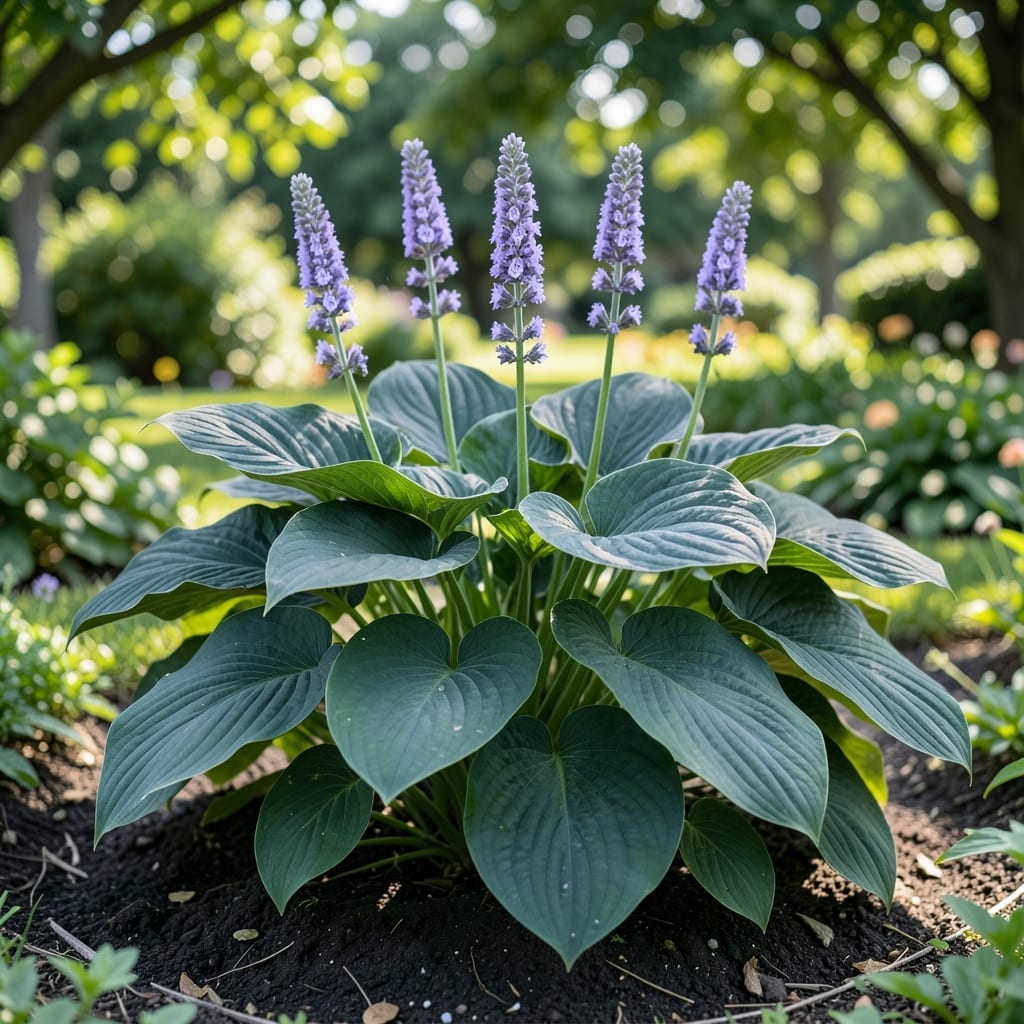
Dark, dramatic foliage can transform a shady corner into a showstopper. I planted my first Black Beauty hosta three years ago, and it’s still the centerpiece of my north-facing bed.
These plants thrive in partial to full shade with rich, well-draining soil. The deep purple-black leaves create striking contrast against lighter plants, and they’re surprisingly low-maintenance once established.
📚 In This Guide
Here’s my time-tested approach to establishing these dramatic, shade-loving plants for maximum visual impact.
Choose a site with partial to full shade—morning sun is tolerable, but harsh afternoon exposure will scorch the deep purple-black foliage. I’ve found the most striking coloration develops in spots receiving dappled light or 2-4 hours of gentle morning sun.
The soil should be rich, well-draining, and consistently moist. Test drainage by digging a 12-inch-deep hole and filling it with water. If it drains within 1-2 hours, you’re good. If water pools, amend with compost or choose a raised bed.
Loosen the soil to a depth of 18 inches, removing rocks and breaking up clumps. Work in 2-3 inches of organic matter like compost or well-rotted leaf mold—this improves both fertility and moisture retention, which Black Beauty hostas crave.
Check soil pH with a test kit; these plants thrive in slightly acidic to neutral soil (pH 6.0-7.0). If your soil is too alkaline, mix in a bit of sulfur or peat moss. A handful of slow-release fertilizer worked into the bed at planting time gives them a strong start.
Dig a hole twice as wide and just as deep as the root ball. Place the hosta in the hole so the crown (where roots meet foliage) sits 1-2 inches above soil level—it will settle naturally. This prevents crown rot, a common issue with hostas planted too deep.
Space plants 2-3 feet apart to accommodate their mature spread. Backfill with the amended soil, gently firming it around the roots to eliminate air pockets. Water thoroughly after planting to help the soil settle and eliminate gaps around the roots.
Apply a 2-3 inch layer of organic mulch (shredded bark or leaf mold works well) around the base, keeping it 1 inch away from the crown to prevent rot. Mulch conserves moisture, suppresses weeds, and keeps the root zone cool—critical for hostas.
Water deeply 2-3 times per week for the first month, then taper to 1 inch per week (including rainfall) once established. Check soil moisture by sticking your finger 1 inch down—if it feels dry, it’s time to water. Drought stress causes leaf scorch, so consistency is key.
Fertilize in early spring with a balanced, slow-release product, and again in midsummer if the foliage looks less vibrant. Remove spent flower stalks (unless you want the lavender blooms) to direct energy back into the foliage. Divide clumps every 3-4 years in early spring or fall to rejuvenate the plant and propagate new ones.
Watch for slugs and snails—their jagged holes in the leaves are a dead giveaway. I use organic slug bait or beer traps placed 10-12 inches away from the plants. A late fall application of mulch protects the crowns from winter temperature swings.
Small adjustments in planting and care make the difference between so-so results and breathtaking garden drama.
The Light Factor: That 2-4 hours of gentle morning sun mentioned in Step 1 is your sweet spot—any more and you risk scorching the dramatic purple-black foliage. I learned this the hard way after planting one batch in afternoon sun and watching the leaves crisp up within days.
Drainage Test Pro Tip: When you dig that 12-inch-deep hole for the drainage test in Step 1, use a timer. If water doesn’t drain within 1-2 hours, don’t just add compost—consider a raised bed. Hostas hate wet feet, and crown rot is a silent killer.
Planting Depth Wisdom: That 1-2 inches above soil level for the crown in Step 3 isn’t just suggestion—it’s insurance. Plant too deep and you’ll invite crown rot. I’ve seen gardeners lose entire hosta beds from this one mistake. The plant will settle naturally, so resist the urge to bury it deeper.
Watering Consistency: The 2-3 times per week watering schedule in Step 4 for the first month is critical. Skipping even one session can cause leaf scorch, and once those purple-black leaves burn, they don’t recover. Use the finger test—1 inch down—and water if dry, no exceptions.
Black Beauty hostas thrive in partial to full shade with moist, well-draining soil. Water regularly, especially in dry spells, and mulch to retain moisture. Fertilize lightly in spring with a balanced, slow-release product.
Plant in early spring or fall to allow roots to establish before extreme temperatures. Avoid planting in peak summer heat, as this can stress the plant.
Slugs and snails are the biggest pests—use organic baits or barriers. Common diseases include foliar nematodes and crown rot, often caused by poor drainage or overhead watering.
No, they prefer shade. Full sun can scorch their dark foliage, leading to brown edges or wilting. If needed, provide dappled sunlight with protection from harsh afternoon rays.
Try Hosta ‘Halcyon’ or ‘Blue Angel’ for similar drama. For darker foliage, ‘Obsidian’ or ‘Black Negligée’ are great substitutes with comparable shade tolerance.