
Beautiful Plants For Your Interior
Beautiful Plants For Your Interior
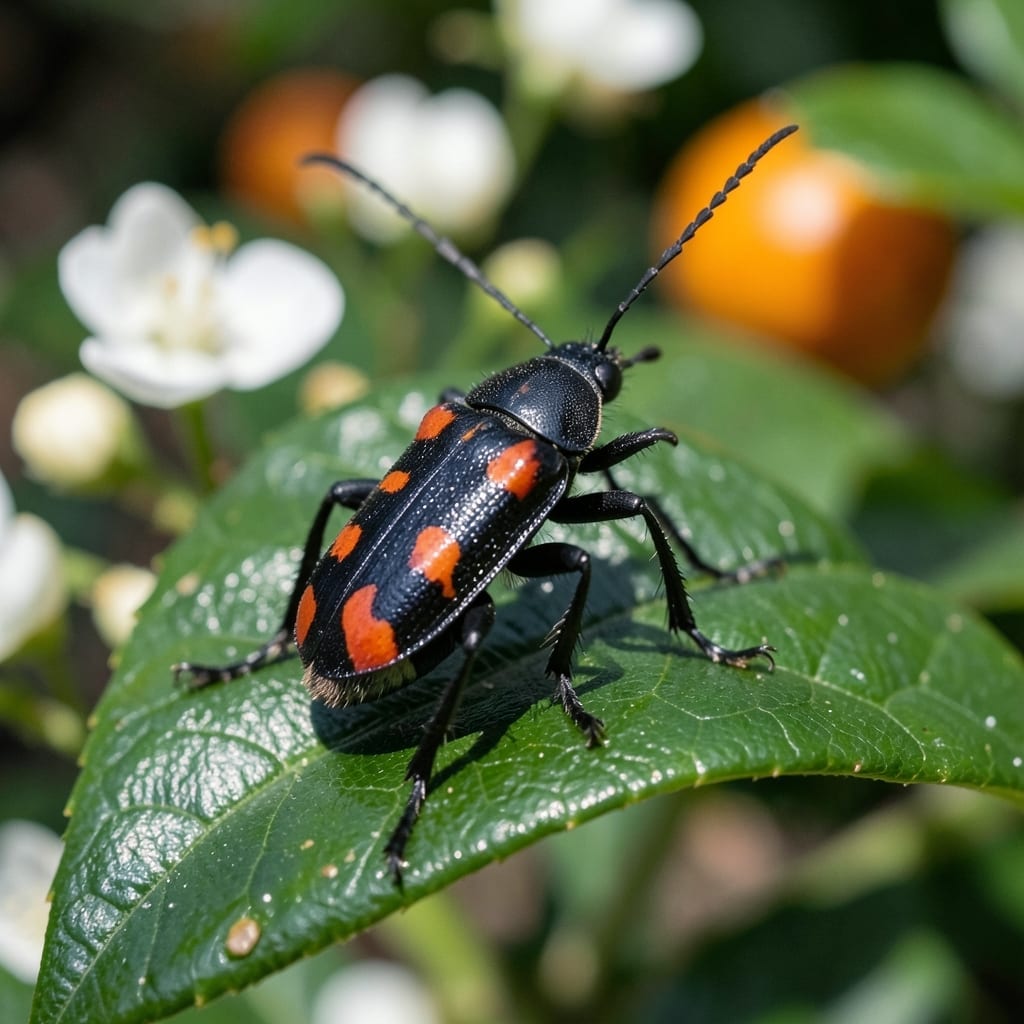
Spotted a black and orange bug wreaking havoc on your plants? I’ve been there—one minute your garden looks fine, the next it’s a buffet for these colorful pests.
These insects aren’t just unsightly; they can quickly defoliate leaves and stunt growth. The good news? Identification is the first step to rapid removal, and I’ve got the visual cues to help you spot them fast.
With a few targeted steps, you can evict them before serious damage happens. No fancy tools needed—just a keen eye and a little persistence.
Works for vegetable patches, flower beds, and even potted plants. Let’s tackle this together.
The presence of black and orange bugs on plants is rarely random. These insects, often Harlequin bugs (Murgantia histrionica) or boxelder bugs, appear due to specific environmental or plant health conditions. Understanding these causes helps you prevent future outbreaks.
Plants weakened by drought, nutrient deficiencies, or physical damage emit stress signals that attract sap-sucking insects. Harlequin bugs, for instance, target cruciferous plants (like cabbage, kale, and broccoli) that are already struggling, as their weakened state makes them easier to pierce and feed on.
Monoculture gardens (growing only one type of plant) create ideal breeding grounds. Without natural predators like ladybugs, lacewings, or parasitic wasps, black and orange bug populations explode unchecked. A diverse ecosystem disrupts their lifecycle.
These bugs thrive in hot, arid conditions. Late summer and early fall are peak activity periods, especially in regions with mild winters where they overwinter as adults. Boxelder bugs, for example, seek out warm plant surfaces to cluster and feed.
Overuse of broad-spectrum pesticides kills beneficial insects first, leaving a vacuum for pests like Harlequin bugs to dominate. Meanwhile, excessive nitrogen fertilization promotes lush, soft growth—prime feeding material for piercing-sucking insects.
Actionable Tip: Rotate crops, introduce companion plants (like nasturtiums to repel Harlequins), and avoid over-fertilizing to reduce attractiveness to these bugs.
If you’ve spotted a black and orange bug on your plants, acting fast is key. Below are targeted solutions based on the most common causes, along with prevention tips to keep your garden thriving. 🌿
For clusters of small, soft-bodied black and orange bugs (likely aphids), spray them off with a strong jet of water from your hose. Do this early in the day so leaves dry quickly. For stubborn cases, use insecticidal soap or neem oil—apply in the evening to avoid harming beneficial insects like bees.
Prevention: Encourage ladybugs and lacewings (natural predators) by planting pollinator-friendly flowers like marigolds or yarrow.
If the bugs are larger with a bright orange “X” on their backs (milkweed bugs), they’re likely harmless but can multiply quickly. Handpick them and drop them into soapy water, or relocate them to a milkweed patch away from your garden. Avoid pesticides—they’re not effective on these bugs and can harm other wildlife.
Prevention: Remove milkweed plants if they’re near your veggies or ornamentals, as these bugs are highly attracted to them.
For hard-shelled black and orange beetles (like soldier beetles), create physical barriers with row covers or fine netting to protect plants. If they’re already present, shake them off into a bucket of soapy water at dawn or dusk when they’re less active.
Prevention: Rotate crops yearly and keep your garden free of debris where beetles might overwinter.
Pro tip: 💡 Diatomaceous earth (food-grade) can deter crawling pests—sprinkle it around the base of plants, but reapply after rain.
Yes, many black and orange bugs like Harlequin bugs damage plants by sucking sap and injecting toxins. This causes wilting and stunted growth.
Check for distinctive markings: Harlequin bugs have a shield shape, while milkweed bugs have an orange “X” on their backs. Boxelder bugs have red lines on their wings.
Handpick larger bugs and drop them in soapy water. For clusters, use a strong water spray or apply neem oil in the evening to avoid harming beneficial insects.
Encourage predators like ladybugs by planting marigolds or yarrow. Rotate crops and avoid over-fertilizing to reduce attractiveness.