
Beautiful Plants For Your Interior
Beautiful Plants For Your Interior
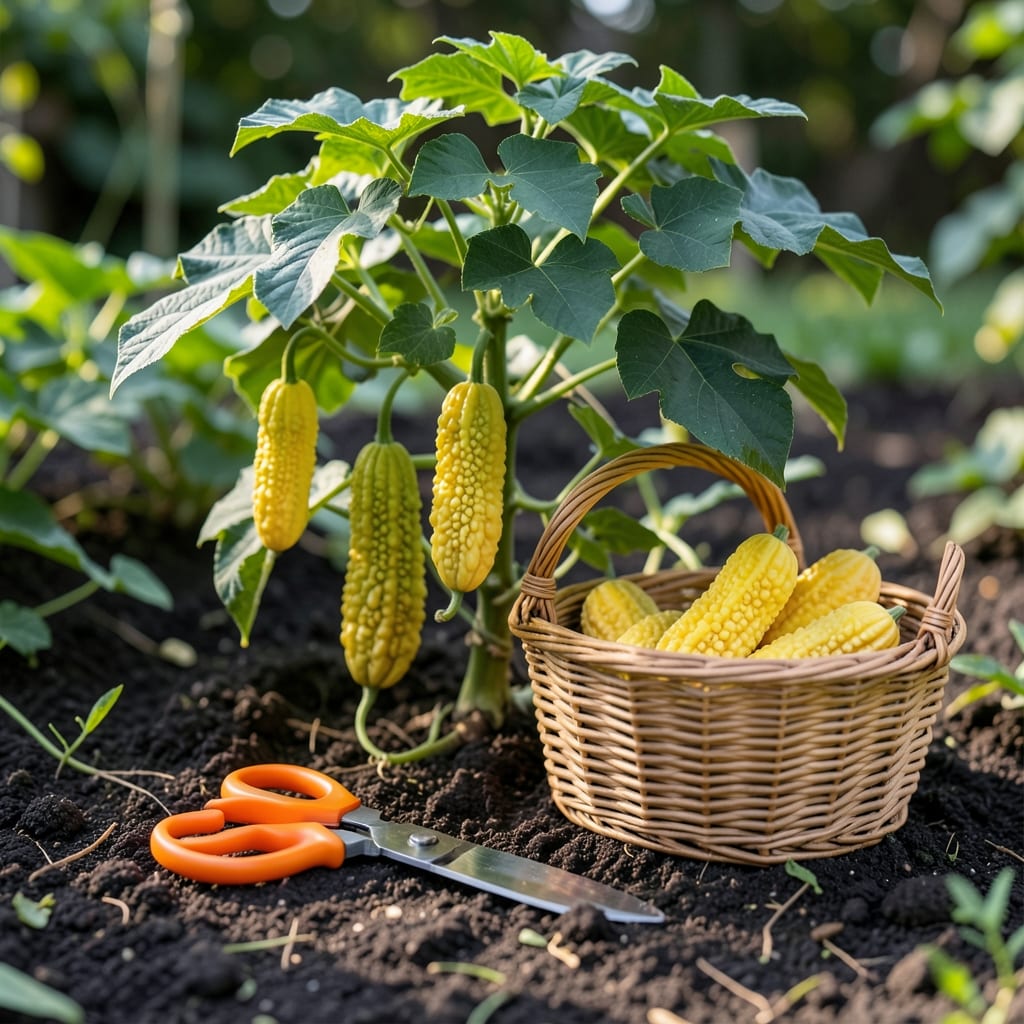
Yellow leaves on bitter melon plants always trigger a pit stop in my garden routine. It’s not just unsightly—it’s the plant’s distress signal, and ignoring it means smaller harvests or complete crop loss.
I’ve traced most cases back to three usual suspects: hungry roots from poor soil, thirsty plants from inconsistent watering, or uninvited guests like aphids setting up camp. Each leaves a different pattern, like a fingerprint at the crime scene.
The good news? Solutions are simple and natural. A soil test, adjusted watering schedule, or neem oil spray often turns things around in under a week. The key is acting fast—before yellow spreads to the whole vine.
Whether you’re growing in containers or garden beds, this guide helps you read the signs and respond effectively. No guesswork, just healthy green vines again.
Bitter melons turning yellow can be distressing, but understanding the root causes helps you address the issue effectively. Here are the most common reasons, explained scientifically and actionably:
Yellowing often signals a lack of essential nutrients. Nitrogen deficiency typically causes uniform yellowing of older leaves first, as the plant redirects nitrogen to newer growth. Magnesium or iron deficiencies may lead to interveinal chlorosis—yellowing between leaf veins—while the veins remain green. Test your soil and amend it with organic matter or targeted fertilizers to restore balance.
Too much water suffocates the roots, preventing them from absorbing oxygen and nutrients. This stress triggers chlorosis (yellowing) and wilting. Check the soil moisture before watering—bitter melons prefer slightly dry conditions. Ensure your pots or garden beds have proper drainage to avoid waterlogging.
Pests like aphids, whiteflies, or spider mites sap the plant’s juices, weakening it and causing yellow spots or mottling. Inspect the undersides of leaves for tiny insects or webbing. Use neem oil or insecticidal soap to control infestations early.
Diseases such as powdery mildew or bacterial leaf spot can cause yellow patches or lesions. Powdery mildew appears as a white, powdery coating, while bacterial infections often create water-soaked spots that turn yellow or brown. Improve air circulation, avoid overhead watering, and apply copper-based fungicides if needed.
Extreme heat, cold drafts, or sudden temperature swings can shock the plant, leading to yellowing. Bitter melons thrive in warm, consistent conditions (75–85°F). Use mulch to regulate soil temperature and provide shade cloth during heatwaves to protect the foliage.
If your bitter melon is turning yellow, these targeted fixes can help restore its health and vibrancy.
Yellowing often signals a lack of essential nutrients like nitrogen or magnesium. Fix: Apply a balanced, organic fertilizer or compost to the soil. For a quick boost, use a foliar spray of Epsom salt (1 tablespoon per gallon of water) to address magnesium deficiencies. Prevention tip: 💡 Test your soil annually and amend it before planting.
Too much water or soggy soil can lead to yellowing leaves and fruit. Fix: Reduce watering frequency and ensure the plant’s container or garden bed has proper drainage. Let the top inch of soil dry out between waterings. Prevention tip: 🌡️ Use a moisture meter to monitor soil hydration levels accurately.
Aphids, whiteflies, or spider mites can stress the plant, causing yellow discoloration. Fix: Spray the plant with a mixture of neem oil and water (1 teaspoon neem oil per quart of water) to deter pests. For severe infestations, remove affected leaves and isolate the plant. Prevention tip: ✨ Introduce beneficial insects like ladybugs to your garden as a natural defense.
Too little or too much sunlight can stress bitter melon, leading to yellowing. Fix: Ensure the plant receives 6–8 hours of direct sunlight daily. If growing in a hot climate, provide afternoon shade to prevent scorching. Prevention tip: 🎯 Rotate potted plants regularly for even light distribution.
Fungal diseases like powdery mildew or bacterial leaf spot can cause yellow patches. Fix: Remove infected leaves and treat the plant with a copper-based fungicide or a baking soda solution (1 teaspoon baking soda, 1 quart water, a few drops of dish soap). Prevention tip: 🌿 Space plants properly for airflow and avoid overhead watering.
New leaf yellowing often signals nutrient deficiency, particularly nitrogen or iron. Test your soil and apply a balanced fertilizer to restore essential minerals.
Remove affected leaves immediately and improve air circulation. Avoid overhead watering to reduce fungal risks and keep tools clean between uses.
Severely yellow leaves usually won’t recover, but addressing the root cause (nutrients, water, pests) helps new growth return to healthy green. Act quickly for best results.