
Beautiful Plants For Your Interior
Beautiful Plants For Your Interior
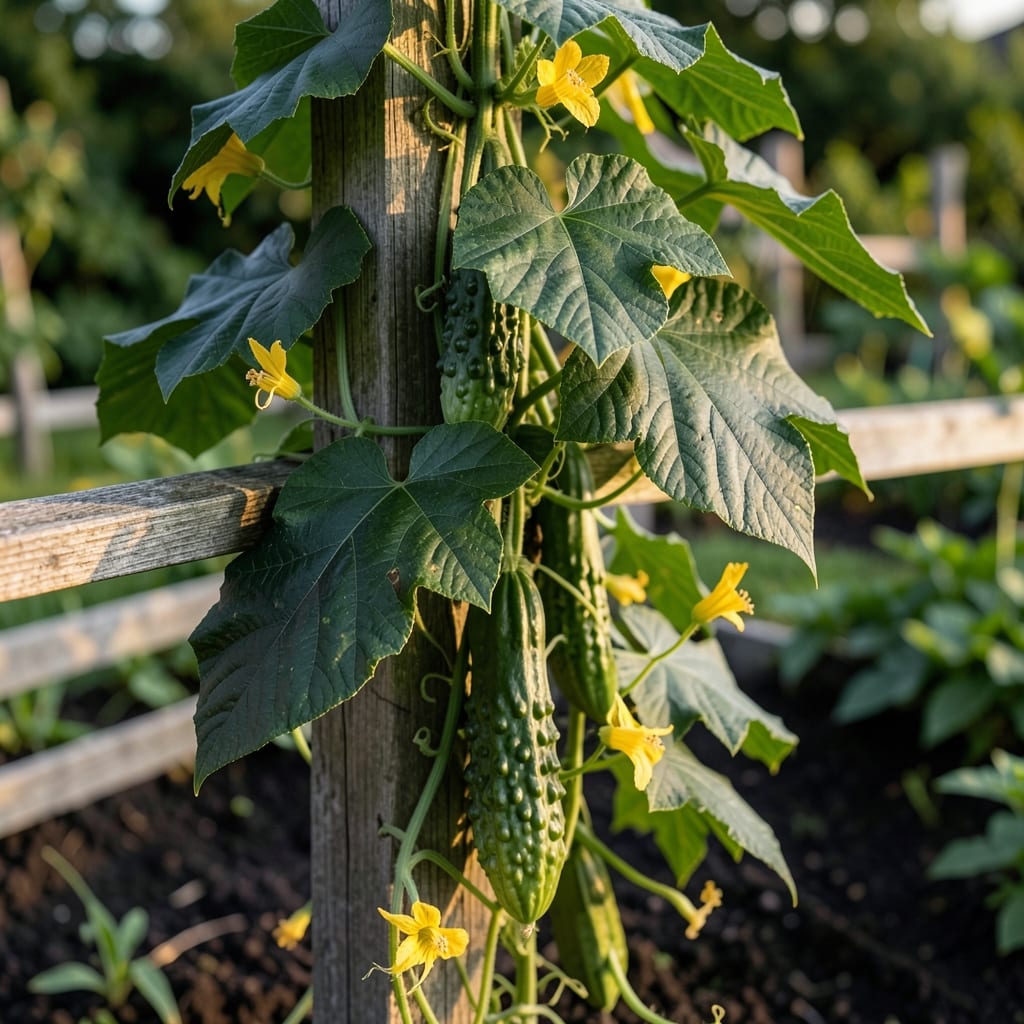
Bitter gourd flowers are edible with a mild bitterness, often used in stir-fries, soups, or stuffed preparations in Asian cuisines. They contain vitamins A and C, offering both nutritional and culinary value.
I love how these delicate blooms bring a unique twist to dishes with their subtle flavor. 💫 In many traditional recipes, they’re prized for their ability to absorb spices while adding a distinct, slightly earthy note. Beyond taste, they’re packed with antioxidants that support immune health.
💡 In This Article
These delicate blooms pack a surprising nutritional punch. They contain 2-3 times more vitamin C than the bitter gourd fruit itself, with about 85mg per 100g. That’s nearly your entire daily requirement in one serving. The flowers also deliver beta-carotene, which your body converts to vitamin A, supporting vision and immune function. ✨
Traditional medicine systems have long valued these flowers for their blood sugar regulating properties. Studies show they contain charantin and polypeptide-p, compounds that mimic insulin. In Ayurveda, they’re used to treat diabetes, with practitioners recommending 5-10 flowers daily in cooked form. The anti-inflammatory effects come from high levels of flavonoids and phenolic compounds. 💫
What makes them unique is their lower momordicin content compared to the fruit. This means you get many of the same health benefits with 60% less bitterness. The flowers also contain folate and iron, making them particularly valuable for expectant mothers and those with anemia.
The iron is non-heme, so pairing with vitamin C-rich foods enhances absorption.
Compared to the fruit, the flowers have a more delicate cellular structure. This means their nutrients are more bioavailable—your body can absorb up to 20% more of their vitamins and minerals. They also contain fiber that supports gut health, though in slightly lower quantities than the mature vegetable. 🌟
The medicinal properties extend to liver health. Animal studies show extracts may help prevent liver damage from toxins. The flowers also demonstrate antimicrobial activity against common pathogens like E. coli. This is why they’re often included in post-illness recovery diets in traditional Chinese medicine.
For maximum benefit, consume them fresh and lightly cooked. Overcooking can degrade 30-40% of the vitamin C content. Steaming or quick stir-frying preserves most nutrients while softening the texture. The flowers’ thin petals mean cooking times should be under 5 minutes to maintain their nutritional integrity. ⚡
No, they’re much milder! The flowers contain 60% less momordicin, the compound responsible for bitterness. Their flavor is delicate and slightly earthy, making them more approachable for those new to bitter gourd.
Gently rinse and pat dry. Remove the green stem at the base, then separate the petals if stuffing. For stir-fries, use whole. Always cook quickly—under 5 minutes—to maintain texture and nutrients.
It’s not recommended. Raw flowers may contain parasites and their tough texture isn’t pleasant. Light cooking also helps reduce any residual bitterness and makes nutrients more bioavailable.
Look at Asian grocery stores or farmers markets during summer. They’re highly perishable, so buy fresh and use within 2-3 days. Some specialty stores sell them frozen, but fresh is ideal for texture.