
Beautiful Plants For Your Interior
Beautiful Plants For Your Interior
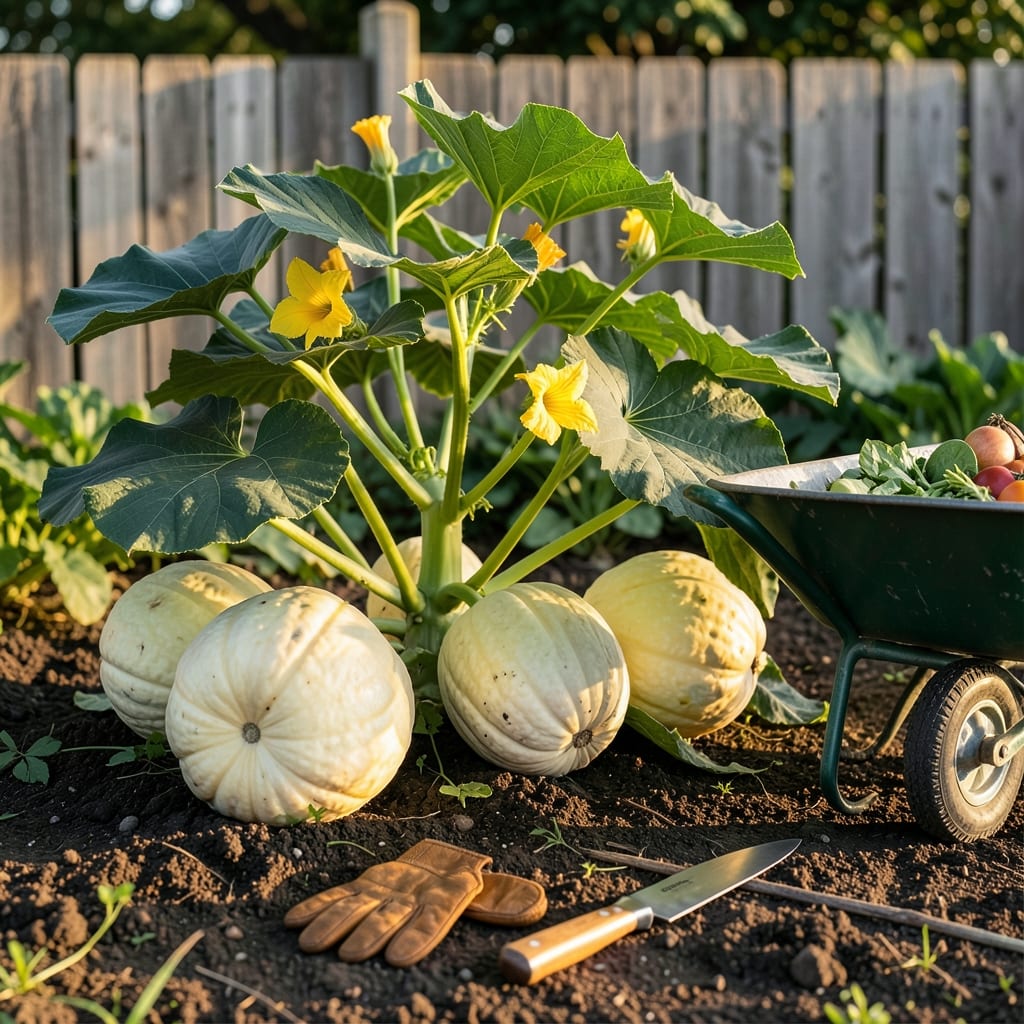
The largest squash ever recorded was a giant pumpkin weighing 2,749 pounds, grown by Travis Giangiulio in 2023, recognized by the Guinness World Records.
Achieving this scale requires perfect conditions, like nutrient-rich soil and precise watering schedules. I’ve seen growers use specialized techniques, such as hand-pollination and shade structures, to maximize size. These methods, combined with genetic selection, push the limits of what’s possible in squash cultivation. ✨
For those inspired to try, seed choice and timing are critical to success. 💫
💡 In This Article
Growing record-breaking squash starts with selecting the right variety. Atlantic Giant pumpkins are the top choice, with genetic potential to reach 2,000+ pounds under ideal conditions. These seeds are carefully bred from previous champions, ensuring strong growth traits are passed down.
The science lies in their rapid cell division, which can add 20-30 pounds per day during peak growth. 🌟
Soil preparation is critical. The best growers create a 5-foot-wide planting hill enriched with aged manure and compost, providing a nutrient-dense foundation. Soil pH should be between 6.0-6.8, and temperatures must stay above 60°F for optimal root development. This environment allows the plant to focus energy on fruit production rather than survival.
Watering plays a huge role in size development. Giant squash require 1-2 inches of water weekly, delivered consistently to prevent cracking. Many champion growers use drip irrigation systems to maintain steady moisture levels. The plants also need 6-8 hours of direct sunlight daily to maximize photosynthesis, which fuels their massive growth. ✨
Hand-pollination is another key technique. Since these plants produce separate male and female flowers, growers carefully transfer pollen at the perfect moment to ensure fertilization. This precision increases the chances of developing a world-class specimen. Shade structures are often used during extreme heat to protect the developing fruit from sunscald.
What sets record-breakers apart is their attention to every detail. From monitoring leaf health to adjusting nutrient ratios, every factor is optimized. The largest specimens often come from growers who treat their plants like athletes, providing exactly what they need to perform at their peak. 💫
Atlantic Giant pumpkins typically need 120-150 days from seed to harvest. Most growth happens in the final 6-8 weeks, when they can gain 20-30 pounds per day under ideal conditions.
Use a 5-foot-wide planting hill with aged manure and compost. Soil pH should be 6.0-6.8, and temperatures must stay above 60°F for optimal root development.
They require 1-2 inches of water weekly. Drip irrigation is ideal to maintain consistent moisture and prevent cracking. Avoid wetting the leaves to reduce disease risk.
Letting fruits sit directly on soil causes rot. Always place a board or straw underneath. Also, avoid over-fertilizing with nitrogen once fruits start forming.