
Beautiful Plants For Your Interior
Beautiful Plants For Your Interior
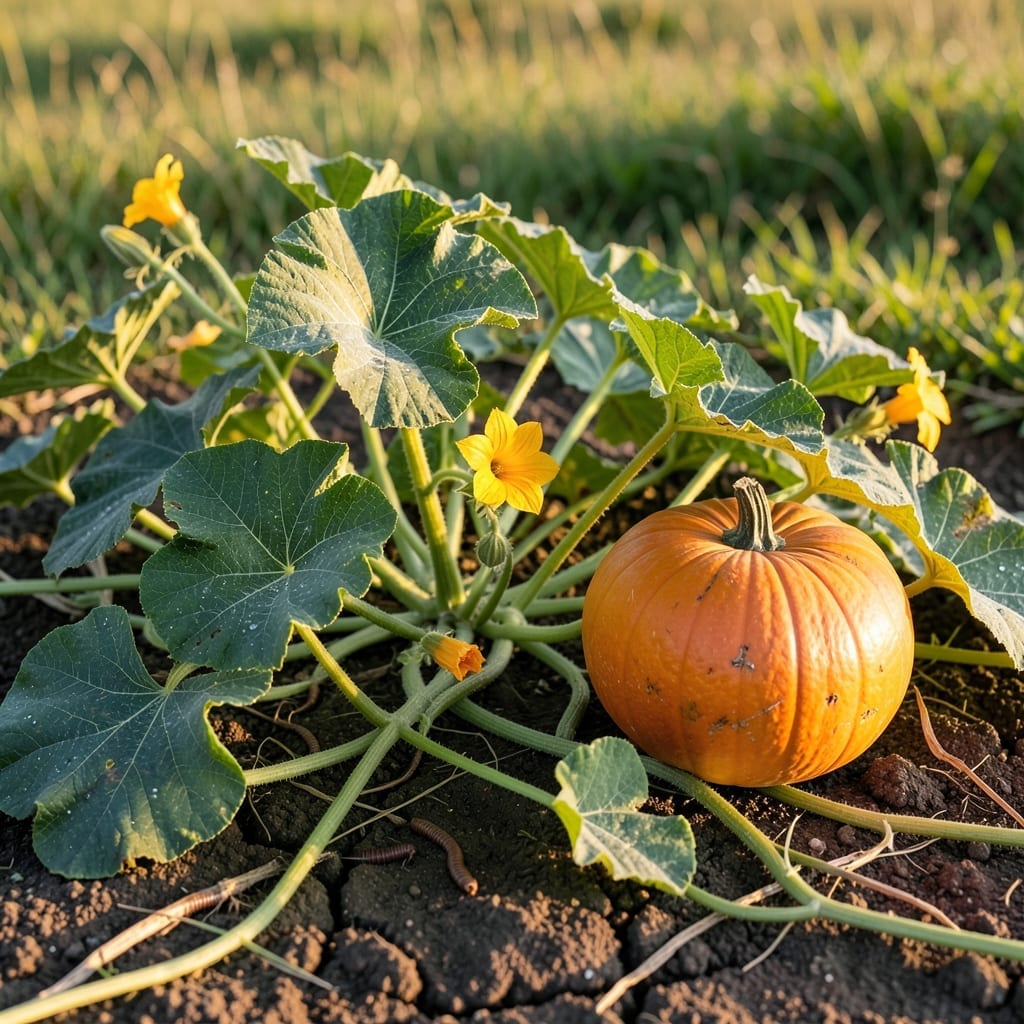
The largest pumpkin ever recorded weighed 2,749 pounds, grown by Travis Giangiulio in 2023, breaking the previous world record by over 100 pounds.
Growing a pumpkin of this magnitude requires meticulous care and specialized techniques. I’ve learned that champion growers like Giangiulio focus on genetics, soil quality, and precise watering schedules to achieve such feats. 🌟
These giants start from carefully selected seeds and thrive in nutrient-rich, well-drained soil. Consistent monitoring and protection from pests are also key to nurturing a prize-winning gourd. ✨
💡 In This Article
The secret starts with genetics—growers use Dill Atlantic Giant seeds, a variety bred specifically for size. These seeds come from champion pumpkins, passing down traits that favor rapid growth and massive scale.
The soil must be perfectly balanced with pH 6.0-6.8 and rich in organic matter, often amended with compost and aged manure to support the plant’s enormous nutrient demands. 🔥
Water plays a critical role, with consistent moisture levels being essential. These plants can drink up to 150 gallons per week during peak growth, requiring drip irrigation to maintain steady hydration without waterlogging.
The vines can stretch over 50 feet long, so spacing is crucial—each plant needs at least 1,000 square feet to thrive without competition.
Temperature and sunlight are non-negotiables. Giant pumpkins need full sun (8+ hours daily) and warm soil (70-85°F) to maximize growth. Growers often use black plastic mulch to retain heat and suppress weeds. Regular feeding with high-phosphorus fertilizers encourages strong root and vine development, while potassium boosts fruit size. ✨
Monitoring is constant, with many growers weighing their pumpkins daily during the final weeks. The fruit can gain 30-50 pounds per day in ideal conditions. Protection from pests and diseases is also vital—row covers and organic sprays help shield the plants from squash bugs and powdery mildew, which could derail months of work.
Finally, timing matters. The growing season typically spans 120-150 days, with seeds planted in late spring after the last frost. The pumpkins are usually harvested in early fall, just before the first frost, to ensure they reach peak size and maturity for competition weighing. 💫
Giant pumpkins typically require 120-150 days to reach full size. The record holder likely followed this timeline, planting in late spring and harvesting in early fall just before the first frost.
Genetics are key—using Dill Atlantic Giant seeds gives you the best chance. But soil quality, consistent watering, and protection from pests are equally critical to break size records.
Yes, but each plant needs at least 1,000 square feet of space. With proper soil prep, watering, and pest control, you could cultivate an impressive specimen, though record sizes are rare without expert techniques.
In ideal conditions, they can gain 30-50 pounds per day during peak growth. This rapid expansion requires constant monitoring and support to prevent damage as the fruit swells.