
Beautiful Plants For Your Interior
Beautiful Plants For Your Interior
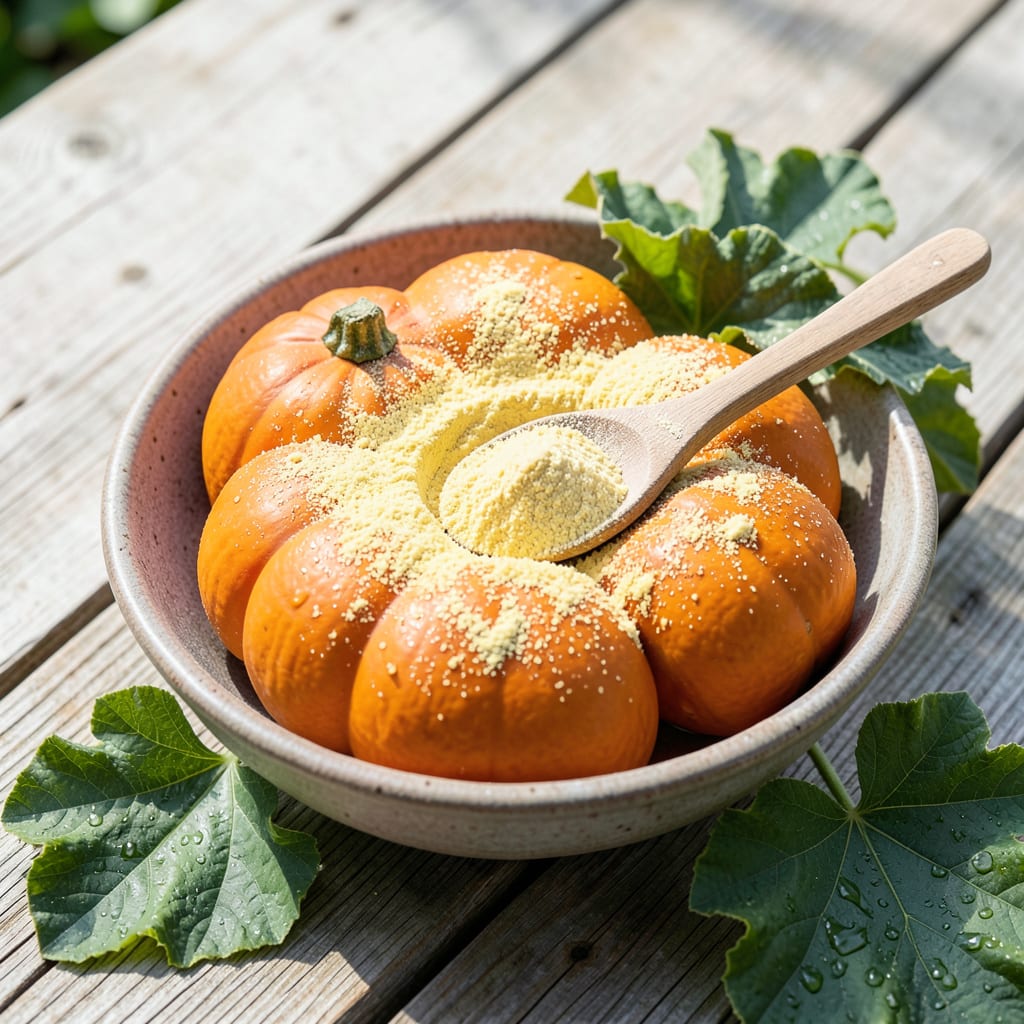
That white powder on your pumpkin leaves isn’t dust—it’s trouble. 🌱 I lost half my patch to powdery mildew one October, and it taught me exactly what to watch for and how to stop it fast.
Early signs are easy to miss: faint white spots on upper leaves that spread like wildfire in dry, warm weather. The key is catching it before it coats entire vines and chokes off photosynthesis.
You can turn this around with 3 simple sprays using household items. My vines went from dusty white to vibrant green in under a week with the right treatment schedule.
Works for all squash family plants, and the same prevention tricks keep it from coming back next season. Here’s the exact approach that saved my pumpkins.
Powdery mildew on pumpkins thrives under specific environmental and biological conditions. Understanding these triggers helps you prevent outbreaks before they start. Below are the most common causes, broken down for clarity and actionability.
The fungus Podosphaera xanthii (the primary culprit for pumpkin powdery mildew) spreads rapidly in environments with 70–90% relative humidity and stagnant air. Dense plant canopies or crowded garden beds trap moisture, creating a breeding ground for spores. Unlike other fungal diseases, powdery mildew does not require free water to germinate—just high humidity.
This disease flourishes in moderate temperatures (60–80°F), especially when days are warm and nights are cool. These conditions slow leaf evaporation, allowing spores to settle and infect. Pumpkin leaves left damp from evening dew or irrigation are particularly vulnerable.
Wetting the foliage—whether from sprinklers or rain—creates a film that encourages spore adhesion. While powdery mildew doesn’t need wetness to spread, moist leaf surfaces accelerate its growth. Drip irrigation or watering at the base reduces this risk significantly.
Some pumpkin cultivars lack genetic resistance to Podosphaera xanthii. Heirloom or older varieties, for example, may show symptoms sooner than modern hybrid types bred for disease resistance. Check seed labels for powdery mildew-resistant (PM-R) strains if this is a recurring issue in your garden.
Excess nitrogen promotes lush, tender foliage—exactly what powdery mildew loves. Soft new growth is less resistant to fungal penetration. Balance fertilization with potassium and phosphorus to strengthen cell walls and deter infection.
Powdery mildew on pumpkins can be frustrating, but these targeted solutions will help you restore your vines to health. Address the root cause first, then apply fixes for fast results.
Overcrowded plants trap moisture and spread spores. Thin out dense foliage to boost airflow—space vines at least 3–4 feet apart. Prune affected leaves (dispose in sealed bags, not compost) to reduce spread. For raised beds or containers, elevate plants or add a small fan on low for gentle air movement.
Prevention tip: 💡 Plant pumpkins in open, breezy spots from the start.
Water at the base of the plant (never overhead) in the early morning so leaves dry quickly. Use drip irrigation or a soaker hose to keep foliage dry. If humidity stays high, apply a baking soda spray (1 tbsp baking soda + 1 tsp dish soap + 1 gallon water) weekly to inhibit spore growth.
Prevention tip: 🌡️ Mulch with straw to prevent soil splash, which spreads spores.
Over-fertilizing with nitrogen creates lush, weak growth that’s mildew-prone. Switch to a balanced organic fertilizer (like 10-10-10) and add compost for slow-release nutrients. Weak plants? Boost potassium with a banana peel tea (soak peels in water for 48 hours, then spray).
Prevention tip: ✨ Test soil annually to avoid overfeeding.
For active outbreaks, spray neem oil (2 tbsp per gallon of water + 1 tsp dish soap) every 5–7 days until symptoms fade. Alternatively, use sulfur-based fungicides (follow label rates) or a milk spray (1:9 milk-to-water ratio) for a mild, effective fix. Always apply in the cool evening to avoid leaf burn.
Prevention tip: 🎯 Rotate treatments to prevent resistance.
Apply organic sprays like neem oil or baking soda solution every 5-7 days during active outbreaks. For prevention, a weekly application is sufficient. Always spray in the cool evening to avoid leaf burn.
Yes! Organic treatments like neem oil or milk spray are safe for consumption. Just wash pumpkins thoroughly before eating. Avoid chemical fungicides if you plan to consume the produce.
The fungus overwinters in plant debris. Remove and destroy all infected plant material in fall, and rotate crops yearly. Choose resistant varieties labeled PM-R for long-term prevention.
Not necessarily. Prune heavily infected leaves (dispose in sealed bags), then begin treatment immediately. Focus on saving newer growth and protecting the remaining healthy foliage.
