
Beautiful Plants For Your Interior
Beautiful Plants For Your Interior
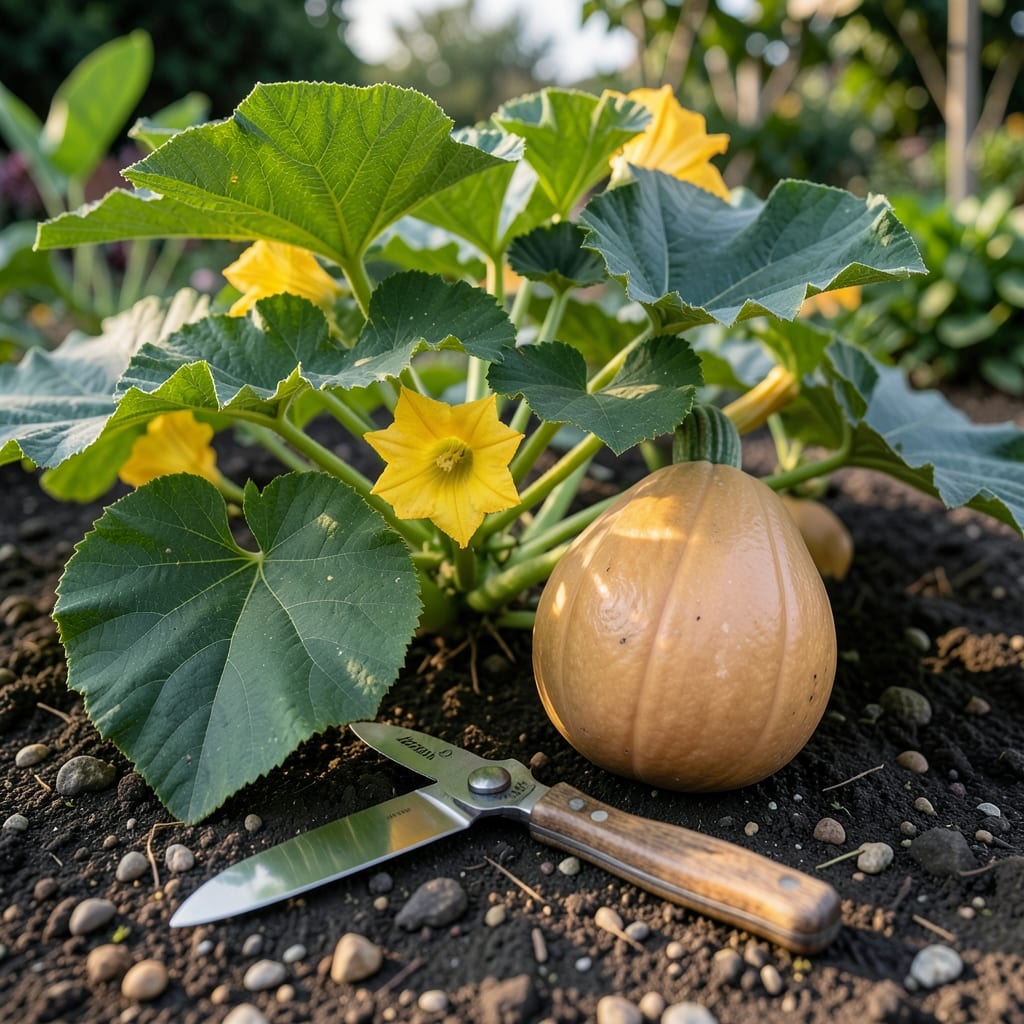
The largest recorded butternut squash weighed over 80 pounds, grown using specialized techniques and giant variety seeds. Most homegrown versions reach 10-20 pounds with proper care.
Achieving massive sizes starts with selecting the right giant variety seeds and providing ideal conditions—rich soil, consistent watering, and plenty of space. I’ve seen gardeners hit 20-pound yields by focusing on these basics. The real game-changer is patience, as these giants need an extended growing season to reach their full potential. ✨
💡 In This Article
The journey to colossal butternut squash begins with selective breeding. Growers hand-pollinate the largest fruits from each generation, creating seeds genetically predisposed to produce bigger offspring. This process can take 5-7 years to stabilize a true giant variety, with each generation showing measurable size increases. 🔥
Soil preparation is non-negotiable for these behemoths. The ideal bed combines 30% compost with native soil, creating a loose, nutrient-dense medium that allows roots to expand freely. pH levels between 6.0-6.8 maximize nutrient uptake, while raised beds ensure proper drainage to prevent rot in these moisture-loving plants.
Climate plays a crucial role in breaking records. These squash thrive in regions with 120-140 day growing seasons, where warm days (75-85°F) and cool nights (55-65°F) create optimal conditions. Commercial growers often use black plastic mulch to maintain soil temperature and humidity, which can boost growth rates by 15-20%. ✨
Water management becomes an art form at this scale. Drip irrigation delivering 1-2 inches per week directly to the root zone prevents foliage diseases while ensuring consistent moisture. The plants develop massive vines—some stretching 15-20 feet—requiring 100+ square feet of space each to accommodate their sprawl.
Nutrient timing separates record-breakers from average crops. A starter fertilizer with 10-10-10 ratio gives seedlings a boost, while side-dressing with 5-10-10 every 3-4 weeks sustains growth. The real secret? Adding 1 pound of calcium per plant prevents blossom-end rot in these fast-growing giants. 💫
Giant varieties need 120-140 days to reach full size, much longer than standard types. Start seeds after the last frost when soil hits 60°F. Consistent warmth and nutrition throughout the season are critical for maximum growth.
A loose, nutrient-rich mix with 30% compost works best. Aim for pH 6.0-6.8 and ensure excellent drainage. Raised beds help prevent rot while giving roots room to expand.
Each plant requires 100+ square feet to accommodate vines that can stretch 15-20 feet. Space hills 4-6 feet apart. Crowding limits size and increases disease risk.
Not recommended—these plants need extensive root space. Even large containers restrict growth. Stick to in-ground planting for best results.