
Beautiful Plants For Your Interior
Beautiful Plants For Your Interior
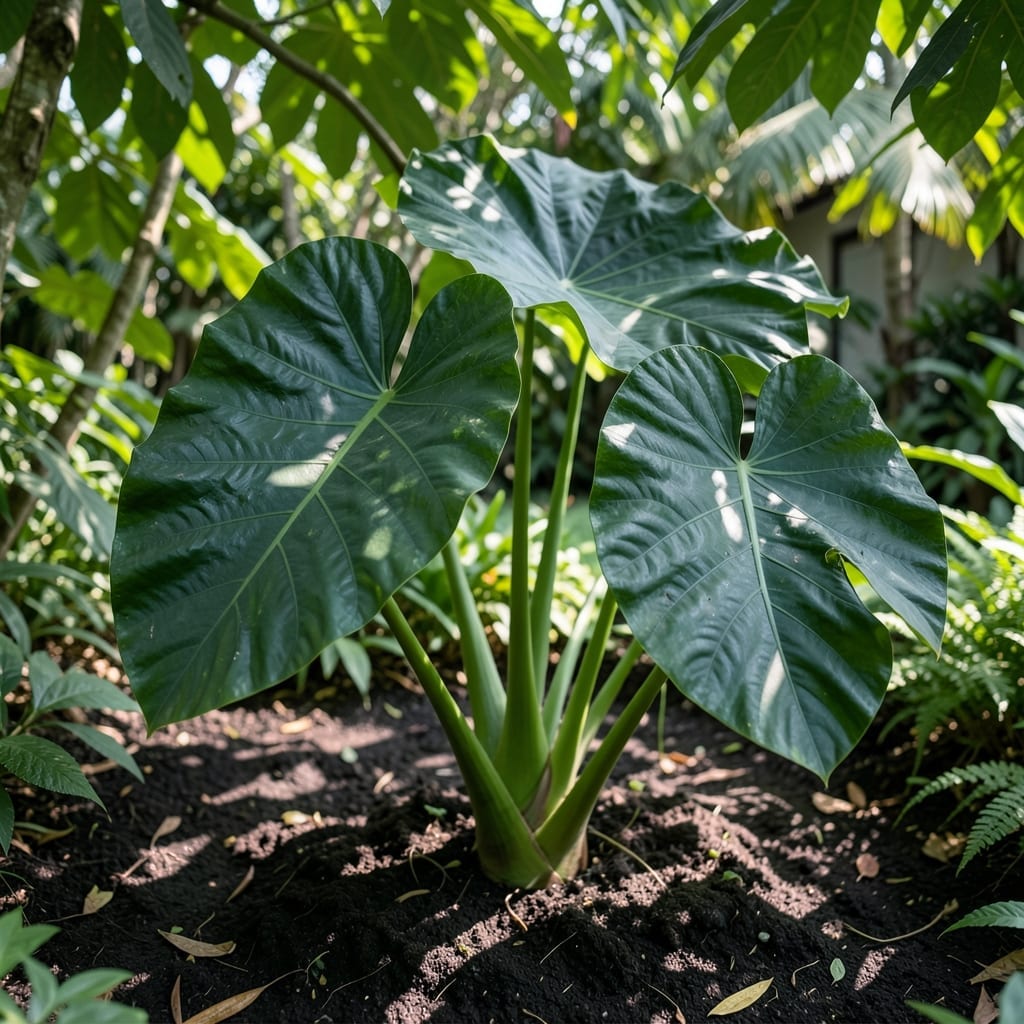
Pair big elephant ear plants with ferns, hostas, or caladiums for a tropical look. Their large leaves create shade for smaller companions while adding bold texture to garden beds.
I love how these pairings create a layered garden effect. The elephant ears act as natural umbrellas, shielding delicate ferns and hostas from harsh afternoon sun while their dramatic foliage contrasts beautifully with finer textures. This combo works especially well in moist, well-draining soil where all plants can thrive together. ✨
💡 In This Article
The massive leaves of elephant ears—often reaching 3-5 feet wide—create a living canopy. This natural shade lowers soil temperature by 10-15°F, which prevents moisture evaporation and protects delicate ferns or caladiums from scorching sun. The broad foliage also blocks heavy rain, reducing soil compaction around shallow-rooted companions. 🌿
These pairings work because of complementary growth habits. Elephant ears grow upward rapidly, while ferns and hostas spread horizontally at ground level. This vertical layering maximizes space efficiency in garden beds. The elephant ears’ thick stems also provide windbreaks for more fragile plants during storms or gusty conditions.
Soil moisture stays more consistent with this combination. The elephant ears’ large leaves act like umbrellas during downpours, preventing erosion while allowing gentle water penetration. Meanwhile, ferns and hostas help retain moisture at the soil surface through their dense ground cover, creating a self-sustaining microclimate. 💧
The visual contrast is just as important as the functional benefits. The elephant ears’ bold, heart-shaped leaves provide dramatic contrast to the feathery fronds of ferns or the smooth, variegated foliage of hostas. This texture contrast creates depth in garden designs, making the space appear larger and more dynamic.
In terms of maintenance, this pairing reduces your workload. The shade from elephant ears means you’ll water less frequently—saving about 30% on irrigation in hot climates. Plus, the dense foliage at multiple levels naturally suppresses weeds by blocking sunlight from reaching the soil. ✨
Space companion plants 18-24 inches from elephant ears. This allows air circulation while maintaining visual density. Their large leaves will still provide shade benefits at this distance.
A slightly acidic soil pH of 6.0-6.5 is ideal. Most companion plants like ferns and hostas thrive in this range, matching the elephant ears’ preferences perfectly.
Water 2-3 times weekly in hot climates. The shade from elephant ears reduces evaporation, so you may need less frequent watering than with exposed plants.
Yes, but use large containers (24+ inches wide). Elephant ears need room for their roots, while smaller companions can fill the surrounding space. Ensure good drainage to prevent root rot.