
Beautiful Plants For Your Interior
Beautiful Plants For Your Interior
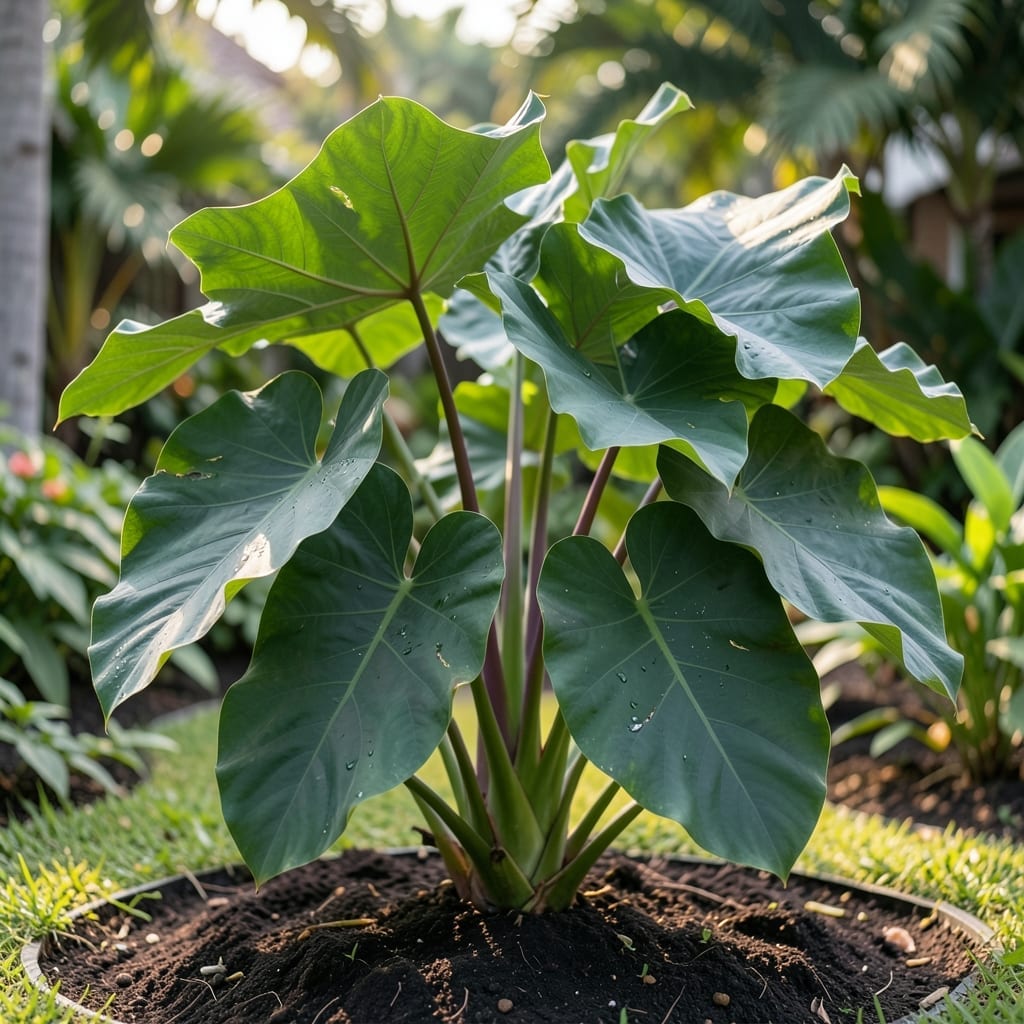
I’ve seen too many gardeners struggle with their 🌿 Elephant Ear plants, unsure whether to place them in full sun or shade. The truth is, these tropical beauties thrive with balance.
Getting the light right can mean the difference between lush, vibrant foliage and a sad, wilted plant. The good news? It’s easier than you think once you know the basics.
Let me walk you through the ideal conditions for healthy, thriving Elephant Ear plants in your garden. You’ll be amazed at how quickly they respond.
 Best Window Placement
If you’re growing Elephant Ears, knowing their light needs is key. These tropical plants generally prefer partial shade but can handle some sun depending on the variety.
Most Colocasia varieties thrive with 4-6 hours of morning sun and afternoon shade, especially in hotter climates. Too much direct sun can scorch their leaves.
| Variety | Light Needs | Notes |
|---|---|---|
| Colocasia | Partial Shade | Morning sun, afternoon shade |
| Alocasia | Bright Indirect | Avoid direct sun, prefers shade |
| Xanthosoma | Full to Partial Shade | Tolerates low light, thrives in shade |
Alocasia varieties are more sensitive and prefer bright indirect light. Direct sunlight can damage their stunning foliage, so dappled shade is ideal.
For Xanthosoma, which includes the popular ‘Lime Zinger’, full to partial shade works best. They’re more forgiving in lower light but still need consistent moisture.
Leaf color can also hint at light needs. Darker varieties like ‘Black Magic’ often handle more sun, while lighter or variegated types may require extra protection.
I’ve found that morning sun is gentler and helps prevent leaf scorch. If your garden gets intense afternoon sun, consider planting in a spot with dappled shade from trees.
In containers, you have more flexibility. Move pots to follow the sun or provide shade as needed. Just remember, consistent moisture is crucial, especially in sunnier spots.
If you’re in a hot climate, afternoon shade is a must. Even sun-loving varieties can wilt under extreme heat without some relief.
For the best results, observe your plants. If leaves start to yellow or brown at the edges, it might be a sign of too much sun. Adjust their location accordingly.
With the right balance of light, your Elephant Ears will reward you with lush, dramatic foliage that’s the envy of the neighborhood 🌿
Even with the best intentions, Elephant Ears can struggle if their light needs aren’t met. Yellowing leaves often signal too much sun, while pale or leggy growth suggests insufficient light.
If you notice crispy, brown edges on the leaves, your plant is likely getting sunburned. This happens when they’re exposed to harsh afternoon sun without enough shade.
⚠️ Warning: Direct afternoon sun can scorch leaves. Move to shade if you see brown spots or wilting.
Leggy stems with sparse foliage are a classic sign of too little light. Your plant is stretching toward the sun, trying to get more energy for growth.
Another red flag is stunted growth. If your Elephant Ears aren’t reaching their expected size, they might need more light or better-quality light, like bright indirect instead of deep shade.
I’ve learned that variegated varieties are especially sensitive. If their colorful patterns start to fade, it’s often a sign they’re not getting enough light to maintain their vibrancy.
To fix these issues, gradually adjust their location. Move sun-scorched plants to a shadier spot, and relocate leggy ones to a brighter area. Consistency is key—Elephant Ears don’t love sudden changes.
With a little observation and adjustment, your plants will bounce back and thrive in their ideal light conditions 🌿