
Beautiful Plants For Your Interior
Beautiful Plants For Your Interior
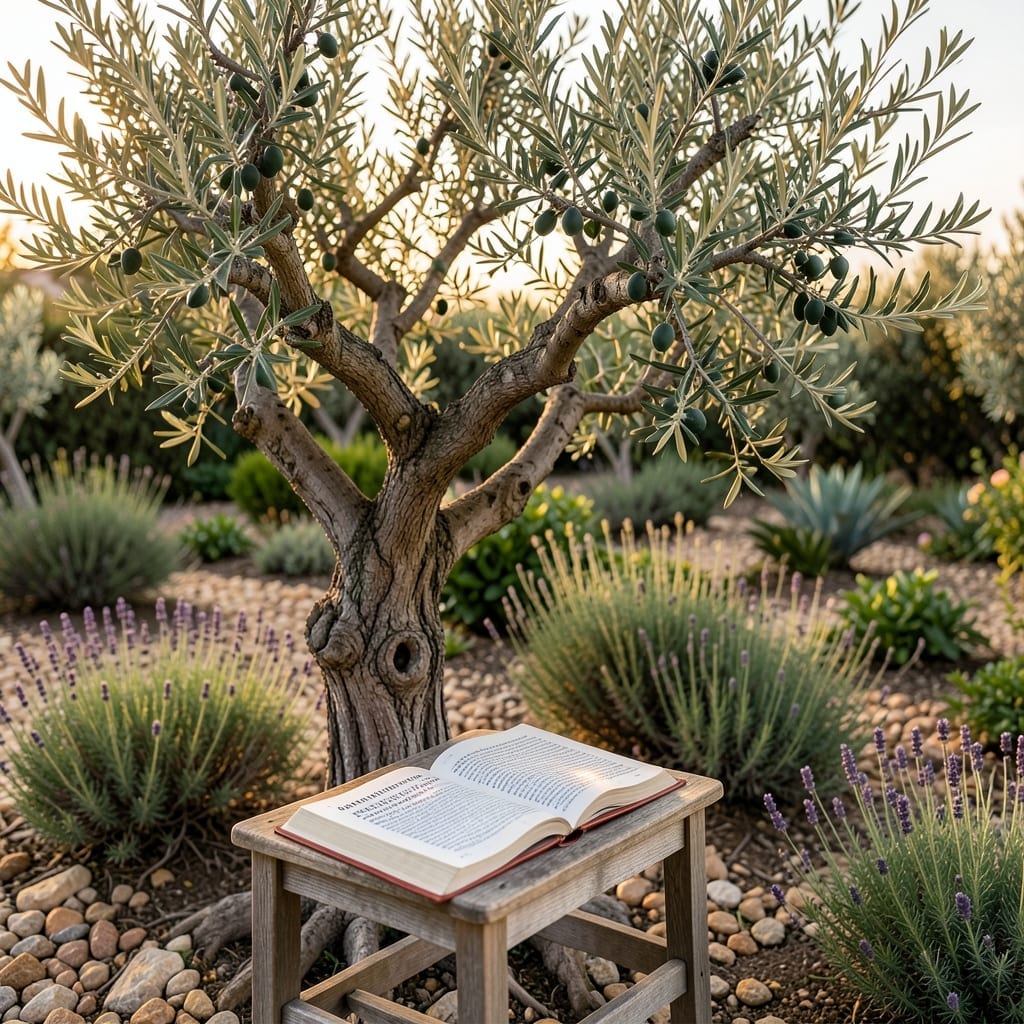
The Bible features many verses about plants, such as Genesis 1:11-12 describing God creating seed-bearing plants, and Psalm 1:3 comparing the righteous to a flourishing tree by streams of water.
I love how scripture uses nature to teach deeper truths about faith and growth. Plants in the Bible often symbolize spiritual nourishment, with roots representing stability and branches signifying outreach. Proverbs 15:23 even compares timely wisdom to a tree of life, showing how these metaphors extend beyond physical gardens into our daily walk. ✨
💡 In This Article
Plants appear in scripture to illustrate profound spiritual truths about growth and resilience. The olive tree, for example, symbolizes peace and prosperity, while the mustard seed represents faith starting small but growing transformative. Psalm 92:12-14 describes the righteous as palm trees and cedars of Lebanon, imagery that conveys strength and enduring vitalit
These botanical metaphors work because plants visibly demonstrate unseen processes. Roots growing deep in hidden soil mirror spiritual foundations, while branches reaching skyward represent outward faith expressions. The fig tree’s seasonal cycles in Luke 13:6-9 teach patience with spiritual development, showing how nurturing over time yields fruit.
Water imagery often accompanies plant symbolism to emphasize divine sustenance. Jeremiah 17:8 compares the blessed person to a tree planted by water, its roots spreading toward the stream. This depicts how consistent spiritual nourishment produces stability even during droughts of hardship. 🌟
Each plant reference serves a distinct purpose in biblical narratives. Vine metaphors in John 15:5 emphasize connection to Christ as the source of life, while wheat and tares in Matthew 13:24-30 illustrate the coexistence of good and evil. These living parables make abstract spiritual concepts tangible through familiar agricultural experiences.
The specificity of these plant references reflects the agricultural reality of biblical times. Farmers understood exactly how a mustard seed could grow into a tree, or how pruning vines increased fruitfulness. This grounded the spiritual lessons in everyday observations that resonated deeply with the original audience. ✨
Psalm 1:3 describes the righteous as a tree planted by streams of water, bearing fruit in season. This imagery highlights stability and spiritual nourishment.
Plants represent growth, resilience, and unseen processes like roots spreading underground. They make abstract spiritual truths tangible through familiar agricultural experiences.
Plant with intention, practice patience, and use your garden as a place of reflection. Treat each seed as a promise of future growth, mirroring biblical principles of stewardship.
In Matthew 13:31-32, the mustard seed symbolizes faith starting small but growing into something transformative. It teaches how even tiny beginnings can yield great results.