
Beautiful Plants For Your Interior
Beautiful Plants For Your Interior
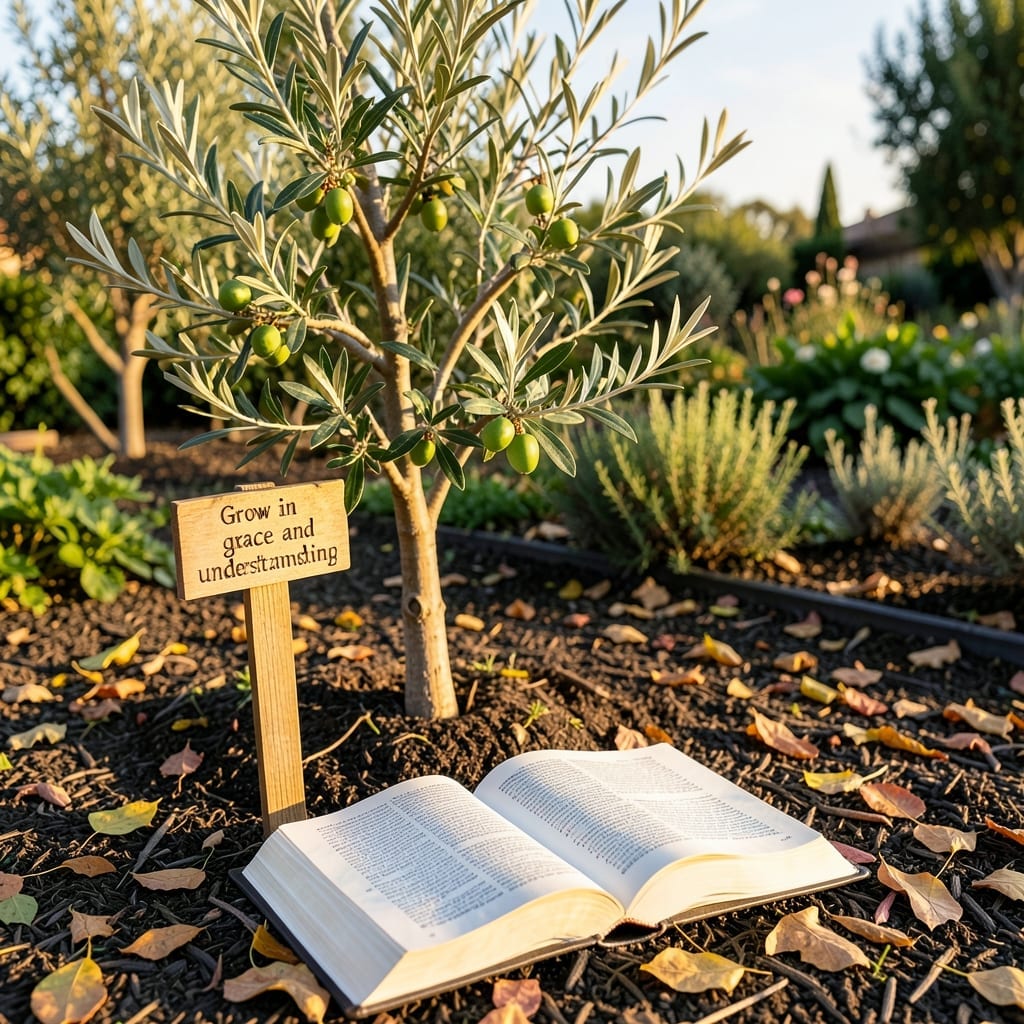
Scripture often uses plant growth to illustrate faith, patience, and God’s provision. Key verses include the parable of the mustard seed and Psalm 1:3, which compares the righteous to a thriving tree.
I find these metaphors powerful because they show how small beginnings can lead to remarkable outcomes with care and time. 🌟 The mustard seed, for example, starts tiny but grows into a sheltering plant, mirroring how faith expands in unexpected ways. Meanwhile, Psalm 1:3’s tree by the water reminds me that spiritual nourishment sustains us through every season.
💡 In This Article
Agricultural imagery resonates deeply because it reflects God’s design for spiritual development. Plants start as seeds, requiring time, water, and sunlight to mature—just as faith often begins small and grows through consistent nurturing.
The parable in Matthew 13:31-32 highlights this: a mustard seed, among the smallest, becomes a tree large enough for birds to nest in.
This metaphor teaches that outward size doesn’t determine potential. The mustard seed’s transformation mirrors how God multiplies small acts of obedience. Similarly, Psalm 1:3 describes the righteous as a tree planted by streams of water, yielding fruit in season. The key is the root system—hidden but vital for stability and nourishment. 🌟
Timing plays a crucial role. Farmers understand that rushing growth disrupts the natural process. James 5:7 encourages patience, comparing spiritual endurance to a farmer waiting for precious harvest. The lesson? Trusting God’s timing produces the most abundant and lasting results.
Harvest imagery also symbolizes spiritual rewards. Galatians 6:9 promises that those who sow to the Spirit will reap eternal life. This isn’t about instant gratification but about persevering through seasons of unseen growth, knowing that God honors faithful stewardship. ✨
Even pruning, though painful, serves a purpose. John 15:2 explains that God prunes fruitful branches to make them more productive. What feels like loss often leads to greater capacity for growth and impact.
Psalm 1:3 describes the righteous as a tree planted by streams of water, bearing fruit in season with leaves that never wither. This verse highlights how spiritual nourishment leads to steady, enduring growth.
In Matthew 13:31-32, the mustard seed starts tiny but grows into a large tree, showing how small, faithful beginnings can lead to remarkable outcomes when nurtured over time.
James 5:7 likens spiritual endurance to a farmer waiting for precious harvest, emphasizing that trusting God’s timing yields the most abundant results.
John 15:2 explains that God prunes fruitful branches to make them more productive, illustrating how temporary challenges can lead to greater long-term growth.
Yes! Principles like enriching soil, watering consistently, and pruning with purpose mirror biblical stewardship, as seen in Genesis 2:15. Trust the natural process and share your harvest generously.