
Beautiful Plants For Your Interior
Beautiful Plants For Your Interior
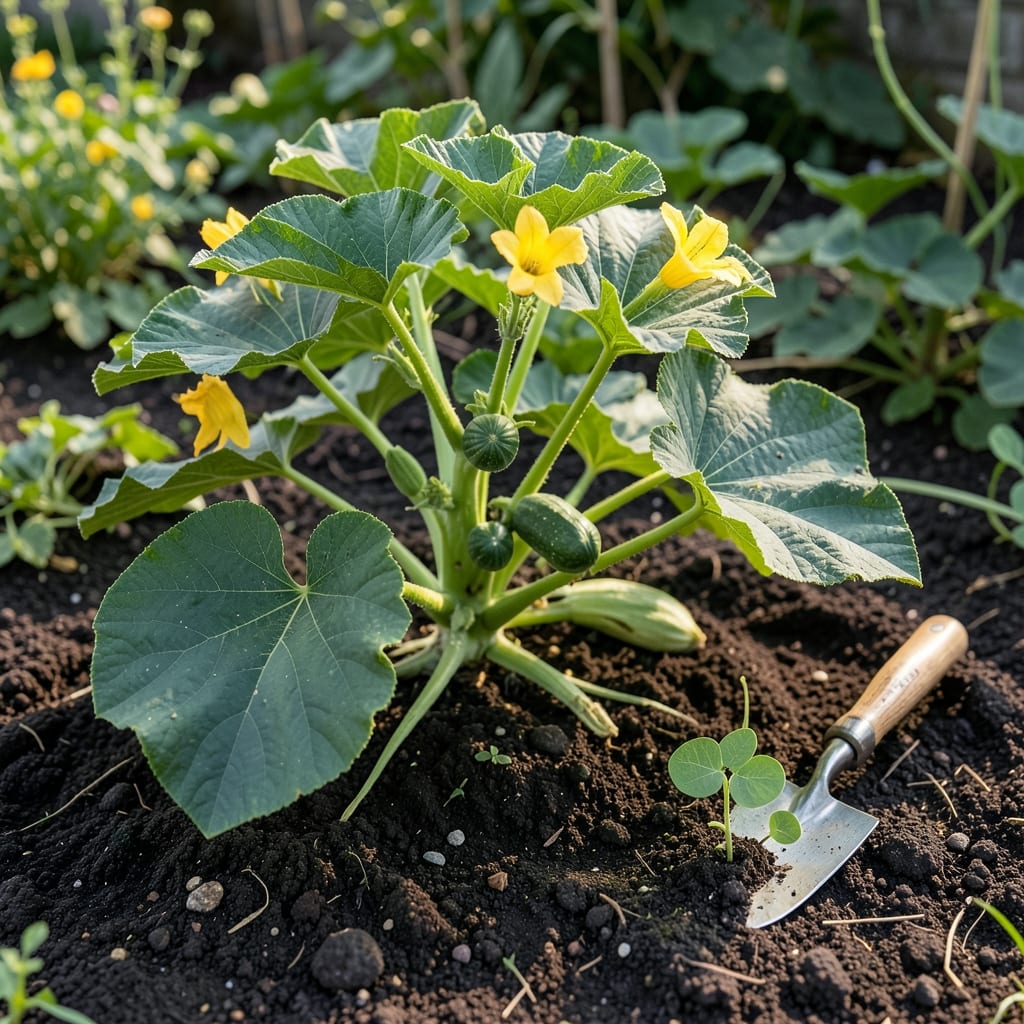
Plant squash after the last frost when soil temperatures reach 60-70°F. Summer varieties thrive in warm soil, while winter types prefer late spring or early fall planting for optimal growth.
I’ve learned that timing is everything with squash because cold soil can stunt growth or even cause seeds to rot. 60-70°F is the sweet spot where germination happens fast and roots establish strongly. For summer types like zucchini, waiting until the soil warms up ensures a productive harvest, while winter squash often benefits from a slightly later start to avoid early frosts. ✨
💡 In This Article
Squash seeds contain enzymes that only activate above 50°F, but they work optimally between 60-70°F. At these temperatures, the seed coat softens faster, allowing water to penetrate and trigger germination within 4-7 days. Below 55°F, the process slows dramatically or stops entirely, leaving seeds vulnerable to rot. 🔥
Once sprouted, warm soil encourages rapid root development. Squash roots grow best at 75-85°F, forming a strong network to absorb water and nutrients. Cold soil forces the plant to divert energy from leaf growth to root survival, resulting in stunted, weak seedlings.
This is why gardeners in cooler climates often use black plastic mulch to warm the soil faster. ✨
The growth cycle also depends on consistent warmth. Summer squash varieties like zucchini mature in 45-55 days when soil stays warm, but can take 20% longer in cooler conditions. Winter squash needs 80-100 days of warm weather to fully develop its thick rind and sweet flesh.
Planting too early means the fruit may not reach full size before cold weather returns. 💫
Heat units, measured in growing degree days, are crucial. Squash requires approximately 2,000-2,500 growing degree days to produce a harvest. Each day the temperature stays below the optimal range, the plant falls behind in this accumulation, potentially reducing your total yield by 30-40%.
This explains why veteran gardeners always check soil temperature with a thermometer before planting. ⚡
Microclimates can create variations even within the same garden. South-facing slopes or areas near buildings may warm 5-10°F faster than open, shaded spots. I’ve seen raised beds reach planting temperature 2-3 weeks earlier than in-ground plots because they warm more quickly in spring. This knowledge lets you strategically place squash for earlier harvests. 🌟
Plant seeds about 1 inch deep in warm, well-draining soil. Any deeper may delay germination, while shallower planting risks drying out or being washed away.
Yes, but only for areas with short growing seasons. Start indoors 2-3 weeks before the last frost date, then transplant carefully to avoid disturbing the roots.
Cold soil can cause seeds to rot or stunt seedling growth. Plants may also struggle to recover, leading to weaker plants and reduced yields later in the season.
Use a soil thermometer to check at 4-6 inches depth. Plant when readings consistently hit 60-70°F for several days in a row.