
Beautiful Plants For Your Interior
Beautiful Plants For Your Interior
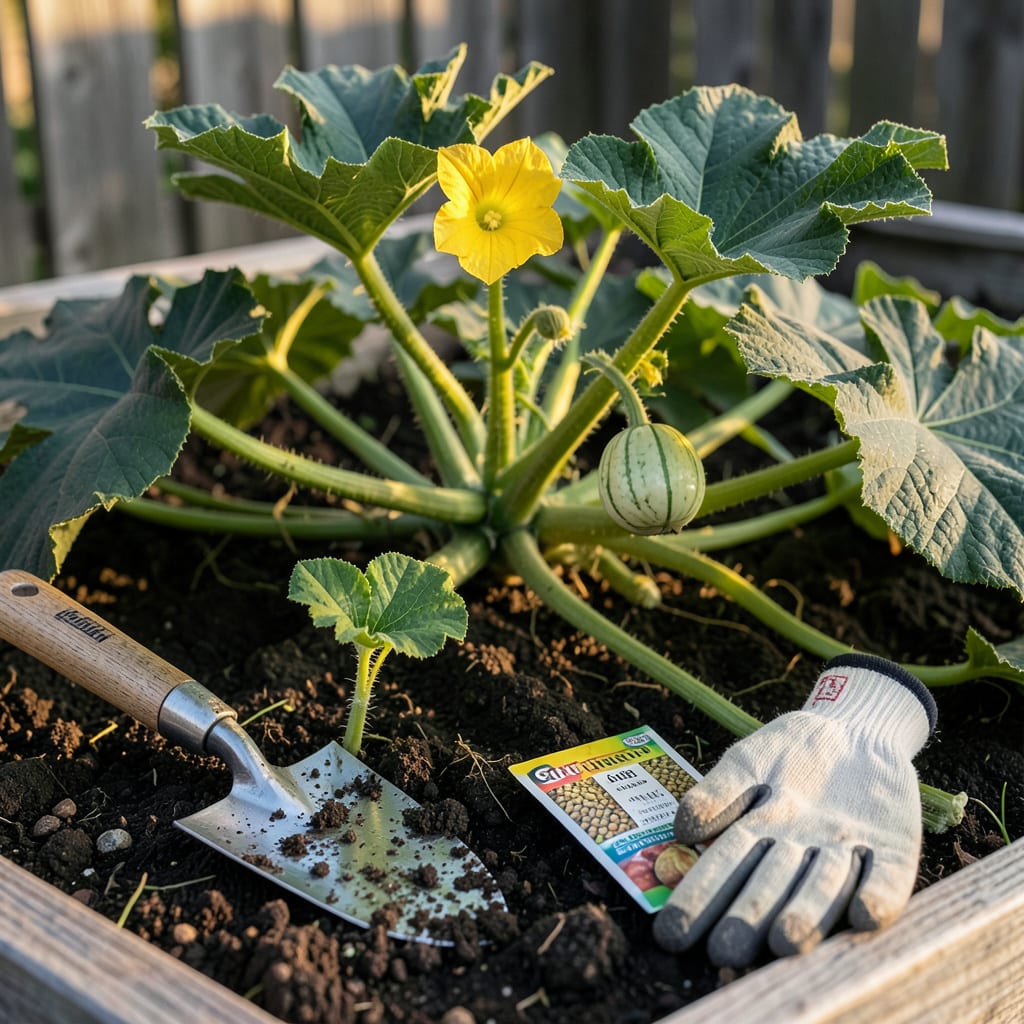
Timing your 🎃 Winter Squash planting in Texas can feel like a high-stakes gamble—too early and frost nips your seedlings, too late and the summer sun fries them. I’ve seen gardeners lose entire crops by missing that sweet spot by just 2 weeks.
But here’s the good news: with the right schedule, you can outsmart Texas’ wild swings from chilly snaps to scorching heat. I’ll break down the exact windows for zones 8a-9b, so you get vines sprawling and fruit setting—without the guesswork. Let’s make this your most productive squash season yet.
If you’ve ever tried growing winter squash in Texas, you know the drill: our state’s climate is as diverse as its barbecue styles. From the Panhandle’s late frosts to the Gulf Coast’s humidity, timing your planting can make or break your harvest. I’ve learned the hard way that soil temperature matters more than calendar dates—aim for 70°F or warmer for best results.
Here’s the kicker: North Texas and South Texas can have planting windows that differ by 4-6 weeks. In Dallas (Zone 8a), you’ll want to plant after March 15, while Houston gardeners (Zone 9a) can start as early as February 15. But don’t just go by frost dates—monsoon season and summer heatwaves play a big role too.
| Region | USDA Zone | Spring Planting Window | Fall Planting Window | Last Frost Date | First Frost Date |
|---|---|---|---|---|---|
| North Texas (Dallas, Fort Worth) | 8a | April 1–May 15 | July 15–August 1 | March 15 | November 15 |
| Central Texas (Austin, San Antonio) | 8b | March 15–April 30 | July 1–July 31 | February 28 | November 30 |
| Gulf Coast (Houston, Corpus Christi) | 9a | February 15–March 31 | August 1–August 15 | February 15 | December 1 |
| West Texas (El Paso, Lubbock) | 7b–8a | April 15–May 30 | July 1–July 15 | April 1 | October 15 |
For spring planting, I always wait until 2 weeks after the last frost—even if the calendar says it’s safe. Why? Because Texas weather is unpredictable, and a late cold snap can stall germination. If you’re eager to get a head start, use black plastic mulch to warm the soil faster. Just remove it once seedlings emerge to avoid overheating.
The fall planting window is trickier. You’ll need to count backward from your first frost date, ensuring your squash has 90–120 days to mature. In North Texas, that means planting by early August for a pre-Thanksgiving harvest. Down south, you can push it to mid-August, but watch for hurricane season rains that can waterlog roots.
If you’re in West Texas, your biggest challenge isn’t frost—it’s drought and wind. I recommend drip irrigation and windbreaks to protect young plants. And no matter where you are, succession planting every 2–3 weeks ensures a steady harvest. Start with ‘Early Butternut’ in spring, then switch to ‘Cushaw Green-Striped’ for fall.
Don’t forget about soil prep! Winter squash thrives in well-draining, compost-rich soil with a pH of 6.0–6.8. I mix in aged manure or compost a few weeks before planting. If your soil is heavy clay (common in East Texas), amend it with sand or perlite to improve drainage and prevent root rot.
For container gardeners, choose bush varieties like ‘Bush Acorn’ or ‘Butterbush’. Use a 15-gallon pot per plant and a trellis to save space. Containers dry out faster, so check moisture daily in Texas summers. I’ve found that self-watering pots work wonders for consistent moisture without overwatering.
Finally, keep an eye on the Texas A&M AgriLife Extension for real-time alerts on pest outbreaks or disease risks. Squash bugs and
Even experienced Texas gardeners can mess up winter squash timing, and I’ve made my fair share of blunders. The biggest mistake? Planting in cold soil—anything below 65°F spells disaster. Seeds either rot or sit dormant for weeks, leaving them vulnerable to fungal diseases or pest attacks before they even sprout.
Another common flub is ignoring the “days to maturity” label. Texas’ fall growing season is shorter than you think! If you plant a 120-day variety in August, you’re asking for trouble. Stick to fast-maturing types like ‘Early Butternut’ (85 days) or ‘Table Queen Acorn’ (80 days) for reliable results.
⚠️ Avoid These Timing Traps!
💡 Fix It: If you’ve already planted in cold soil, cover beds with clear plastic for 1-2 weeks to warm the earth before replanting.
The third mistake is underestimating Texas’ extreme heat. Squash blossoms drop when temps exceed 95°F, and vines wilt under relentless sun. I combat this by planting in late afternoon shade (use a 30% shade cloth if needed) and mulching heavily with straw or grass clippings to keep roots cool.
Here’s a pro tip: Watch the 10-day forecast before planting. If a heatwave or cold snap is predicted, hold off. Squash seeds and seedlings are tough, but they’re not invincible. In Central Texas, I’ve lost entire plantings to late-March freezes—now I wait until soil temps hit 70°F at a 4-inch depth.
If you’re growing in containers, timing mistakes are even costlier. Pots heat up and dry out faster, so morning planting is key. Avoid black containers—they bake roots in Texas summers. Instead, opt for light-colored fabric pots and move them to partial shade by 2 PM during heatwaves.
Finally, don’t forget about pollinators! Poor timing can mean no bees when your plants flower. If you plant too early or late, you might need to hand-pollinate with a paintbrush. I’ve had to do this during June’s triple-digit heat—not fun, but it saves the harvest.
Learn from my mistakes: test your soil temp, pick the right variety, and adjust for heat. Your squash will thank you with a bumper crop! 🌱
Texas summers don’t play nice with most winter squash, but I’ve found heat-tolerant varieties that thrive where others wilt. ‘Waltham Butternut’ and ‘Table Ace Acorn’ are my top picks—they handle 95°F+ temps better than classic varieties. The secret? Start them early enough to mature before the worst heat hits.
For spring planting, sow ‘Cushaw Green-Striped’ by mid-April in North Texas or late March in the Gulf Coast. This heirloom variety laughs at drought and powdery mildew. In fall, switch to ‘Early Butternut’—it’s ready in 85 days, perfect for Texas’ short autumn growing season.
To extend your growing window, use 30% shade cloth during peak summer (June–August). I drape it over hoop tunnels from 12–4 PM to protect blossoms. Pair this with 4 inches of straw mulch to keep roots cool—this combo can buy you 2–3 extra weeks of productive growth.
For succession planting, stagger your starts every 2 weeks until July. In Central Texas, I plant ‘Bush Delicata’ in early June for a late-summer harvest, then follow with ‘Sweet Mama’ kabocha in July. This ensures squash ripens before first frost (November 15 in Dallas, December 1 in Houston).
If you’re container gardening, stick to bush varieties like ‘Butterbush’ or ‘Bush Acorn’. They need 15-gallon pots and a trellis for support. I’ve grown ‘Honey Nut’ butternut in fabric pots with great success—just move them to partial shade by afternoon and water daily in extreme heat.
Remember: Texas squash thrives on consistency. Test your soil’s moisture with your finger—it should feel like a damp sponge 1 inch down. Overwatering invites root rot, while drought causes bitter fruit. With the right varieties and timing, you’ll harvest sweet, meaty squash all season! 🎃
Summer planting is risky due to extreme heat, but possible with precautions. In South Texas, you can plant heat-tolerant varieties like ‘Cushaw’ in early summer with shade cloth and mulch.
For most regions, focus on spring (March–May) and late summer (July–August) plantings. Use drip irrigation to keep roots cool if planting in summer.
Use a soil thermometer to check temps at 4-inch depth. Winter squash needs 70°F+ for optimal germination. Below 60°F, seeds may rot or fail to sprout.
If soil is too cool, warm it with black plastic mulch for 1–2 weeks before planting. Morning sun exposure also helps raise soil temperature naturally.
Count backward from your first frost date. In North Texas, plant by August 1 for varieties needing 90–100 days.
For Gulf Coast, you can plant until mid-August. Choose fast-maturing types like ‘Early Butternut’ (85 days) to beat the frost.
Yes! Containers heat up and dry out faster. Plant 2–3 weeks earlier than in-ground timings, but avoid black pots—they overheat roots. Use 15-gallon fabric pots for best results.
Move containers to partial shade by afternoon in summer. Water daily during heatwaves, as pots lose moisture quickly.
Only in Zone 9b (far South Texas) with frost protection. Most regions have a spring (March–May) and fall (July–August) window. Winter freezes and summer heat make year-round growing impractical elsewhere.
For winter attempts, use row covers and plant ‘Cushaw’, the most cold-hardy variety. Expect slower growth in cooler months.
