
Beautiful Plants For Your Interior
Beautiful Plants For Your Interior
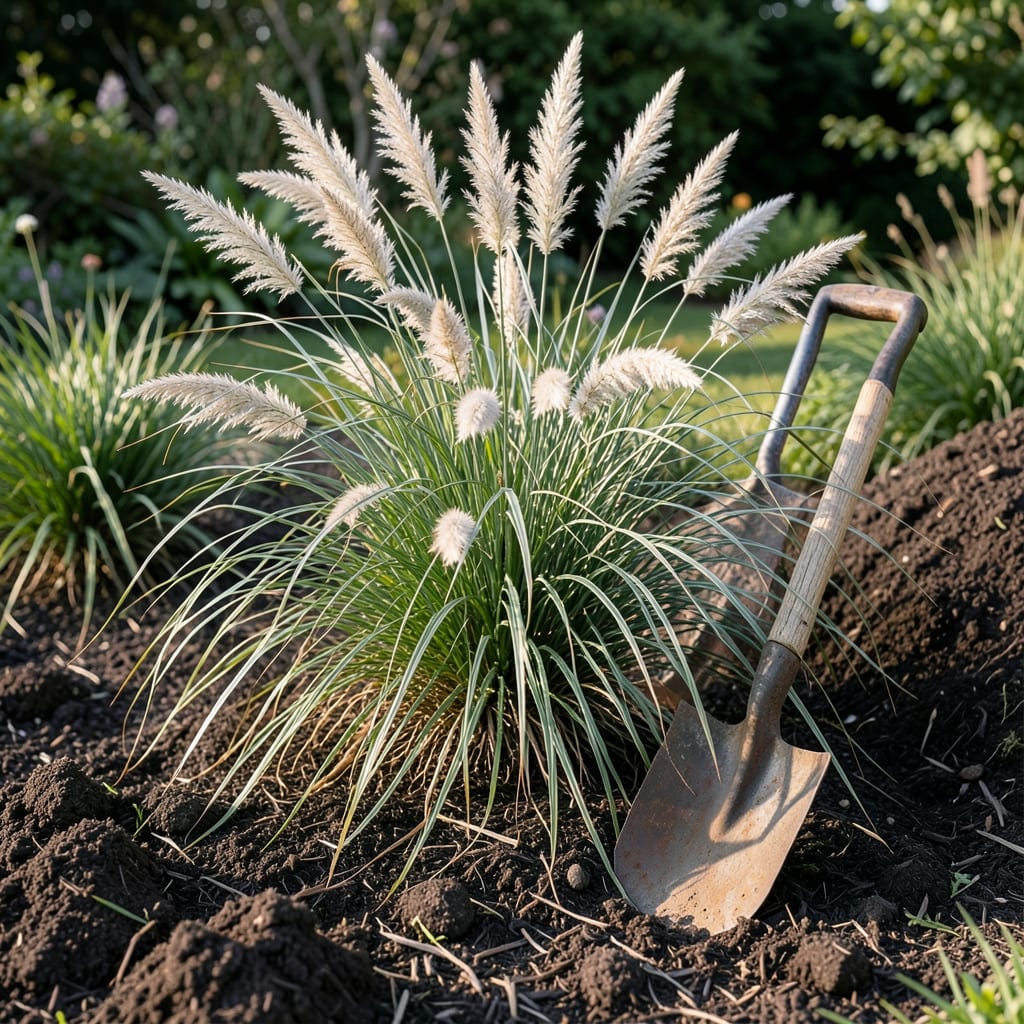
Plant pampas grass in early spring or fall when temperatures are mild. This timing allows roots to establish before extreme heat or cold, ensuring stronger growth and survival.
I’ve found that planting during these seasons gives the roots a fighting chance to settle in before harsh conditions hit. The moderate soil temperatures help prevent transplant shock, which can stunt growth. In my experience, avoiding the peak of summer or winter frost periods leads to healthier, more resilient plants. 🌟
This approach also aligns with the plant’s natural growing cycle, making it easier to maintain long-term.
💡 In This Article
Pampas grass thrives when soil temperatures hover between 60-75°F, which is why early spring and fall are perfect. At these temperatures, root systems develop rapidly without the stress of extreme heat or cold. In summer, soil above 85°F can scorch tender new roots, while winter frost below 32°F halts growth entirely, often killing young plants.
🌟
Spring planting allows roots to establish before summer’s peak, giving them a 3-4 month head start. Fall planting works similarly, as roots can grow until the first hard frost, then resume growth in spring. This timing ensures plants enter their first full growing season with a strong foundation.
Water availability plays a huge role. Spring rains naturally hydrate new plants, reducing the need for supplemental watering. In fall, cooler temperatures mean less evaporation, so moisture stays in the soil longer. This is crucial because pampas grass needs consistent moisture for the first 8-12 weeks after planting to prevent root stress. ✨
Regional climate matters too. In warmer zones (8-10), you can plant as late as early November. Cooler zones (4-7) need earlier fall planting, ideally by mid-September, to avoid early frosts. The key is giving roots at least 6-8 weeks of active growth before dormant periods begin.
Extreme weather impacts young plants most. A sudden heatwave can wilt new growth, while unexpected frost can kill unestablished roots. By planting during mild seasons, you avoid these risks and give your pampas grass the best chance to develop the deep, strong root system it needs to thrive long-term. 💫
Planting in hot summer months risks heat stress for young roots. Soil above 85°F can damage tender growth, and high evaporation rates make it hard to keep soil moist. This often leads to stunted growth or plant loss.
Test soil temperature with a thermometer—it should be between 60-75°F. Also, the soil should crumble easily in your hand, not stick together or feel bone dry. Proper preparation prevents root shock.
Yes, starting in a large container lets you control conditions before transplanting. Use well-draining soil and keep the container in partial shade. Transplant to the ground once roots fill the pot, usually after 2-3 months.
Late fall planting without enough time for root growth before frost is the main issue. Ensure at least 6-8 weeks of growing time before the first hard frost. Early frosts can kill unestablished roots.