
Beautiful Plants For Your Interior
Beautiful Plants For Your Interior
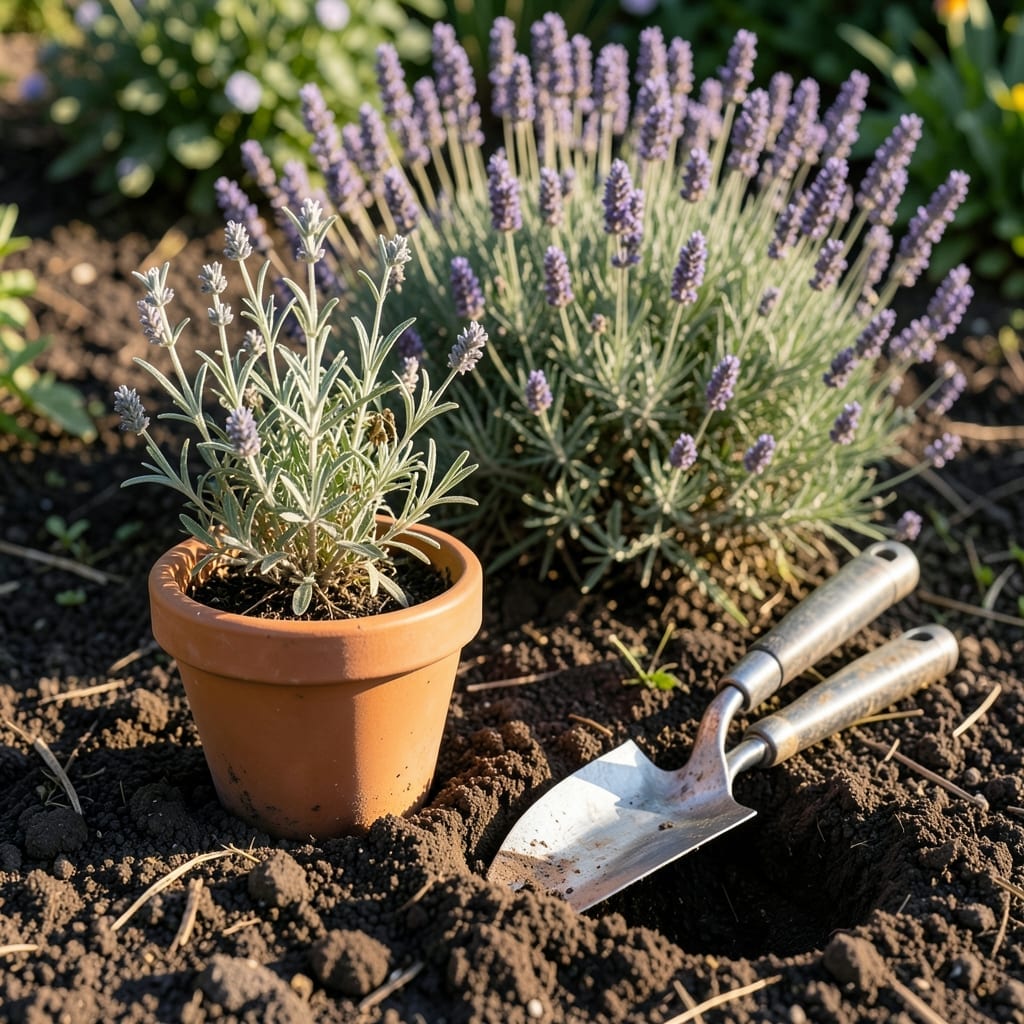
Timing is everything when it comes to planting 🟣 Lavender—plant too early or too late, and you risk weak growth or poor blooms. I’ve learned the hard way that getting this right makes all the difference.
Whether you’re in zones 5-9, the window for success is narrower than you might think. The right timing ensures strong roots and vibrant blooms that’ll make your garden the envy of the neighborhood.
Discover the ideal seasons and conditions to set your Lavender up for long-term success. Let’s make sure your plants thrive from day one.
Getting the timing right for planting lavender can make or break your garden’s success. I’ve found that spring and fall are the golden windows, but the exact timing depends on your climate zone and local conditions.
In zones 5-9, aim for April-May or September-October. These periods avoid extreme heat or frost, giving roots time to establish before stress sets in.
| Planting Window | Key Conditions |
|---|---|
| April-May | Soil temp 60°F+, no frost risk |
| September-October | 6+ weeks before frost, cool temps |
| March or November | Possible in mild climates only |
Spring planting lets lavender take advantage of warming soil and longer daylight. I always check that nighttime temps stay above 50°F to prevent shock. This is when the plant can focus on root development before summer heat.
Fall planting works beautifully in many regions because cooler temps reduce stress. The key is giving plants 4-6 weeks to root before the first frost. In my experience, this timing often leads to stronger spring growth.
For hot climates, like zone 9, I recommend early fall planting. The intense summer heat can stress young lavender, so waiting until September gives them a better start. Always mulch lightly to retain moisture without suffocating roots.
In cooler zones like 5-6, late spring is safest. I’ve seen lavender struggle when planted too early in cold, wet soil. Wait until all frost danger has passed and soil is workable. Your patience will be rewarded with healthier plants.
Avoid planting during peak summer or winter. The stress of extreme temps can stunt growth or even kill young plants. If you must plant in summer, choose early morning and provide temporary shade for the first week.
Remember that soil temperature matters more than air temp. Use a soil thermometer to confirm it’s consistently above 60°F before planting. This simple step has saved many of my lavender plants from early struggles.
Finally, consider your lavender variety. English lavender does well in cooler climates, while Spanish and French types prefer warmer zones. Matching the variety to your planting window ensures the best chance of thriving blooms 🌿
Preparing the right foundation is just as crucial as timing when planting lavender. I always start by choosing a sunny spot that gets at least 6-8 hours of direct light daily. Without this, your plants will struggle to thrive.
Well-draining soil is non-negotiable for lavender. These plants hate wet feet, so I amend heavy clay with sand or gravel to improve drainage. A slight alkaline pH of 6.5-8.0 is ideal for vibrant blooms.
I recommend testing your soil drainage before planting. If water sits for more than an hour, you’ll need to improve it. Raised beds work wonders for lavender in areas with poor drainage.
For container planting, use a large pot with drainage holes and a sandy mix. I’ve found terracotta pots work best as they allow soil to dry out between waterings, which lavender loves.
Consider the mature size of your lavender variety when spacing. Dwarf types need 18-24 inches, while standard varieties require 3 feet between plants. Proper spacing prevents disease and ensures good air circulation.
Finally, avoid planting near other moisture-loving plants. Lavender’s preference for dry conditions makes it a poor companion for thirsty neighbors. This separation has saved many of my lavender plants from root rot ☀️