
Beautiful Plants For Your Interior
Beautiful Plants For Your Interior
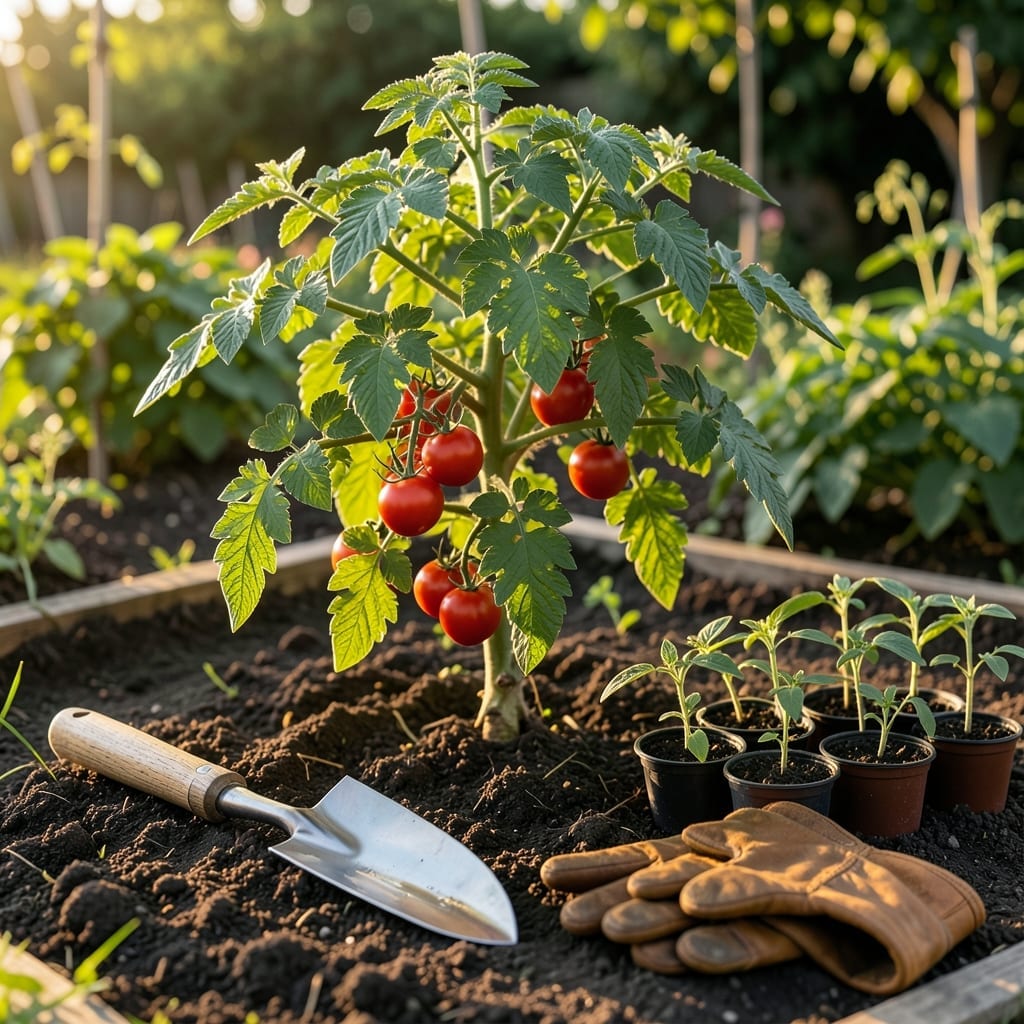
The ideal garden spot gets 6-8 hours of sunlight daily, has well-draining soil, and is sheltered from strong winds. South-facing areas often work best in most climates.
I’ve found that morning sun is gentler on plants than harsh afternoon rays, which can scorch leaves in hotter regions. A slight slope helps with drainage, preventing waterlogged roots that stunt growth. 🌟
In my experience, testing soil with a simple jar test reveals its composition—sand settles first, then silt, then clay—helping you amend it properly.
💡 In This Article
Plants convert sunlight into energy through photosynthesis, which requires 6-8 hours of direct light daily for most vegetables. This process fuels growth, but too much intensity in hot climates can stress plants.
South-facing spots capture the most consistent light, while east-facing locations offer gentler morning sun, ideal for leafy greens that scorch easily in afternoon heat. 🌟
Soil drainage prevents root rot by allowing water to flow away from roots. Clay-heavy soil holds moisture too long, while sandy soil drains too quickly. A simple test: Dig a 1-foot-deep hole, fill it with water, and time how long it takes to drain. Ideal soil drains completely in 1-2 hours.
Adding compost improves both drainage and nutrient content. ✨
Microclimates create local variations in temperature and humidity. A wall or fence can create a warmer, sheltered spot, extending the growing season by 2-4 weeks. Windbreaks like shrubs or trellises reduce stress on plants by blocking harsh gusts that dry out soil and damage stems. 💫
Soil pH affects nutrient availability. Most vegetables thrive in slightly acidic to neutral soil (pH 6.0-7.0). A home test kit reveals if your soil needs lime (to raise pH) or sulfur (to lower pH). For example, blueberries require acidic soil (pH 4.5-5.5), while asparagus prefers slightly alkaline conditions. 🔥
Organic matter, like compost or aged manure, improves soil structure. It helps sandy soil retain moisture and clay soil drain better. Aim for 5% organic content in your garden soil. This also introduces beneficial microbes that break down nutrients into forms plants can absorb. ⚡
Most thrive with 6-8 hours of direct sunlight daily. Leafy greens tolerate partial shade, while fruiting plants like tomatoes need full sun. Morning light is gentler than harsh afternoon rays in hot climates.
Build raised beds at least 12 inches deep and fill with a mix of topsoil and compost. This improves drainage and fertility. A simple jar test can reveal your soil’s sand, silt, and clay composition.
Plant a windbreak like shrubs or use a fence about 20 feet upwind. This creates a calm microclimate that reduces stress on plants and prevents soil from drying out too quickly.
Yes, but choose shade-tolerant plants like lettuce, spinach, or herbs. Avoid sun-loving plants like peppers or cucumbers. Even shade gardens need 4-6 hours of filtered light for best results.