
Beautiful Plants For Your Interior
Beautiful Plants For Your Interior
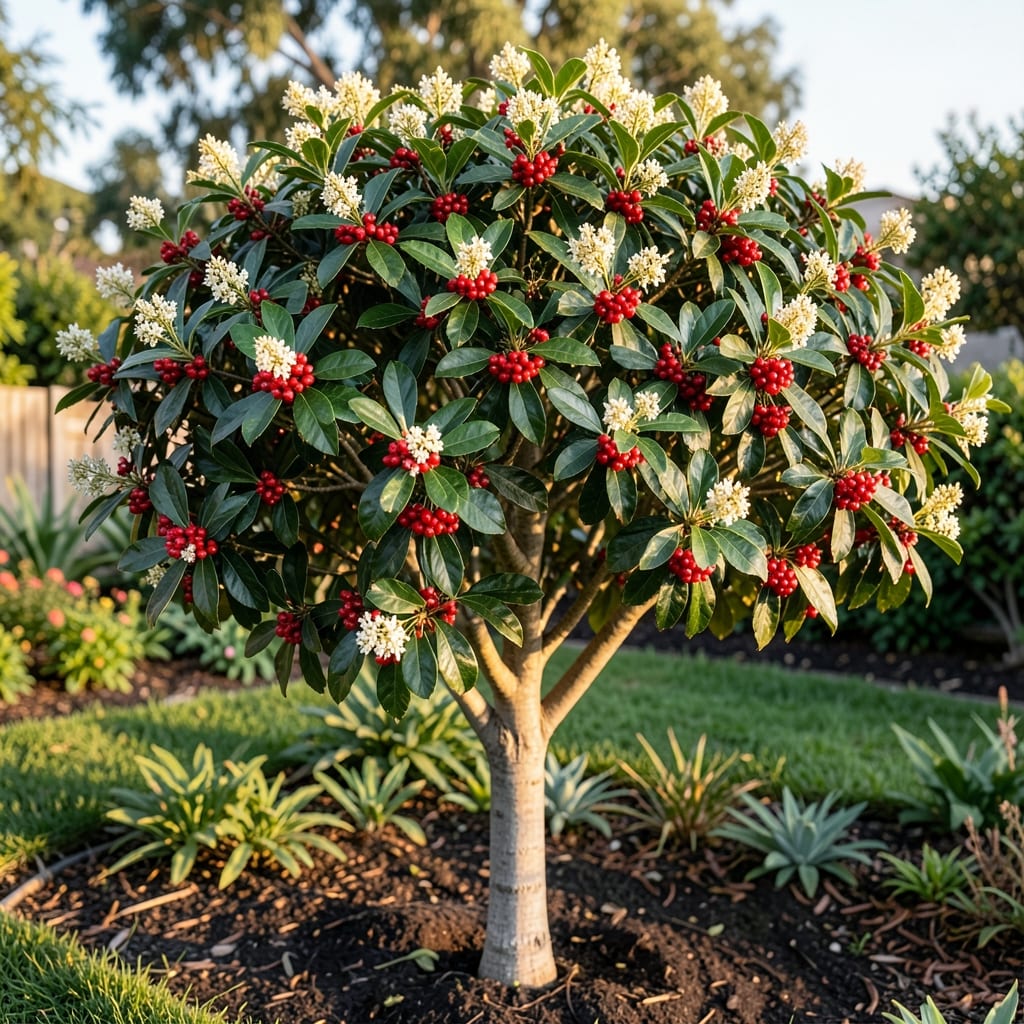
Brazil is home to unique berries like açaí, camu camu, and jabuticaba, each offering distinct flavors, nutritional benefits, and growing conditions native to its tropical climate.
These tropical fruits thrive in Brazil’s rainforest ecosystems, where the climate supports their rich nutritional profiles. I’ve found that camu camu packs an impressive 60 times more vitamin C than an orange, while jabuticaba grows directly on tree trunks, making it a fascinating botanical oddity. Their flavors range from tart to deeply sweet, reflecting the diversity of Brazil’s landscapes. ✨
💡 In This Article
Açaí berries grow in dense clusters on tall palm trees in the Amazon floodplains. Each tiny 1-inch fruit contains a large seed surrounded by a thin layer of deep purple pulp. This pulp packs 3x more antioxidants than blueberries, thanks to its high anthocyanin content which gives it that signature dark hue. 🔥
Camu camu thrives in swampy Amazonian areas where its bushes get submerged during rainy seasons. The fruit’s tart flavor comes from its 2-3% vitamin C concentration by weight—60x more than an orange. Its bright orange pulp has a citrusy zing that works beautifully in juices and supplements. ✨
Jabuticaba is the most visually striking, growing directly from the tree trunk in grape-like bunches. The thick purple skin protects a sweet, white or pink flesh that tastes like a cross between grapes and lychees. One tree can produce 100+ pounds of fruit during its 2-3 week harvest window. 💫
These berries share adaptations to Brazil’s tropical climate. Açaí palms develop stilt roots to stabilize in flooded soil, while camu camu’s buoyant seeds disperse via water. Jabuticaba’s trunk-born fruit keeps it safe from ground-level predators. Each has evolved unique survival strategies in their native ecosystems. ⚡
Their nutritional profiles reflect their environments. Açaí’s healthy fats sustain energy in humid conditions, camu camu’s vitamin C boosts immunity against tropical pathogens, and jabuticaba’s natural sugars provide quick energy for local wildlife. This perfect adaptation makes them both ecologically vital and nutritionally powerful. 🌟
Fresh açaí and jabuticaba are rare exports due to their 24-48 hour shelf life. You’ll most likely find them frozen or as pulp. Camu camu is almost always sold as powder or juice concentrate.
Camu camu wins for intensity with its sour, citrusy punch from high vitamin C. Açaí offers a rich, earthy taste, while jabuticaba delivers a sweet, grape-like flavor that’s milder and more approachable.
Jabuticaba adapts best to containers, thriving in 15-20 gallon pots. Açaí palms need tropical outdoor conditions, but dwarf varieties may work in large containers. Camu camu requires consistent moisture, making it tricky for container growing.
Camu camu leads with 60x more vitamin C than oranges. Açaí follows with high antioxidants and healthy fats, while jabuticaba provides fiber and natural sugars. Each offers unique benefits.