
Beautiful Plants For Your Interior
Beautiful Plants For Your Interior
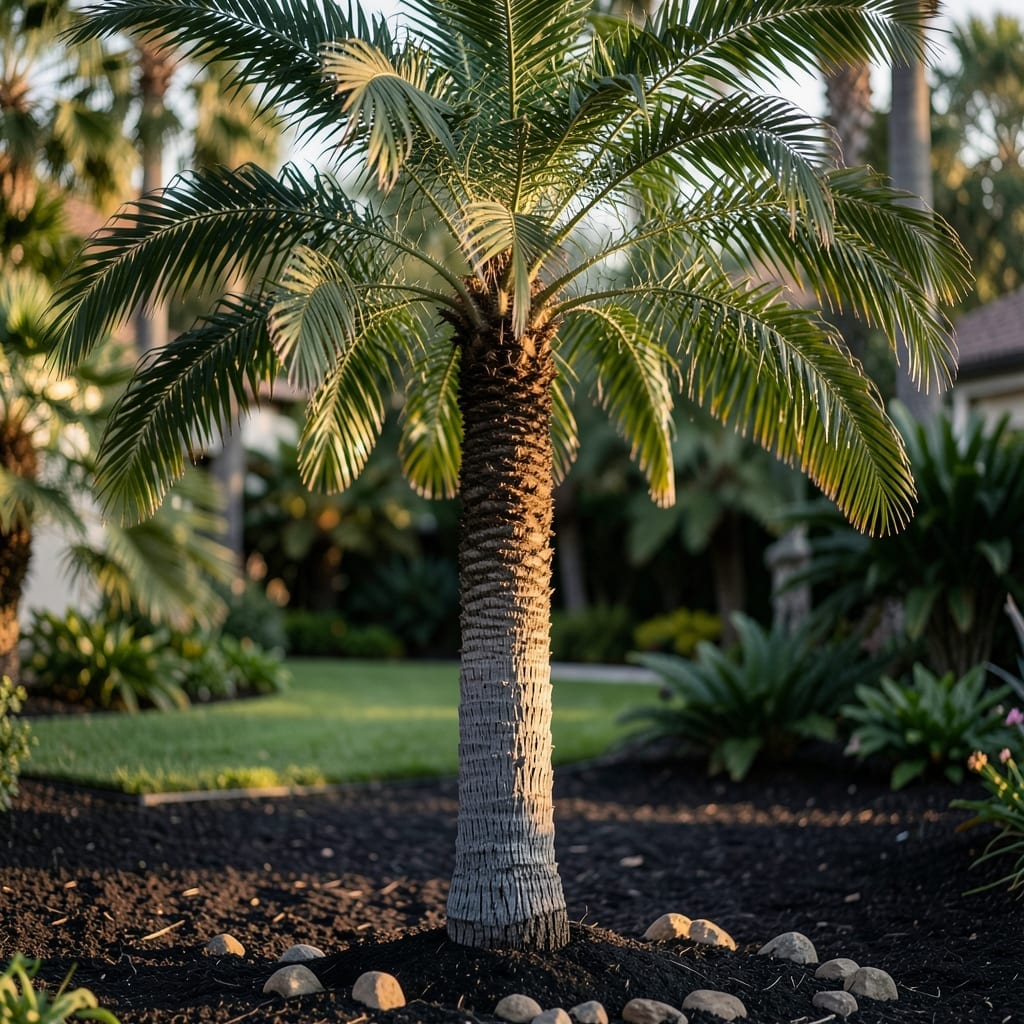
Yes, Spain has palm trees, with the Canary Island date palm being the only native species. They thrive in the warm Mediterranean and subtropical climates of southern Spain and the Canary Islands.
I’ve seen these iconic trees lining the streets of Malaga and Granada, where their tropical vibe contrasts beautifully with historic architecture. 🌟 The Canary Islands, with their year-round spring-like climate, host the most diverse palm populations, including rare endemic varieties you won’t find anywhere else.
💡 In This Article
The Canary Island date palm (Phoenix canariensis) is Spain’s sole native palm species, perfectly adapted to its volcanic island origins. This majestic tree can reach 40-60 feet tall with a thick, textured trunk and arching fronds that create a dramatic silhouette against the sky. 🔥
What makes it thrive is its remarkable drought tolerance—its deep root system can access water from 30+ feet underground. The tree’s waxy leaf coating minimizes water loss in the dry, sunny climate of the Canaries, where annual rainfall is often under 10 inches. This adaptation allows it to dominate landscapes where other trees would wither.
✨
Beyond the Canaries, you’ll find naturalized populations in southern Spain’s Andalusia region. The warm Mediterranean climate here, with average temperatures of 68-86°F in summer, mimics the palm’s native habitat. The species also tolerates coastal salt spray, making it ideal for seaside planting. 💫
Interestingly, its fruit—though edible—isn’t the primary reason for cultivation. The palm’s real value lies in its ornamental beauty and historical significance. Ancient Guanche people of the Canary Islands used its fibers for ropes and baskets, while its sap was fermented into a traditional beverage called gofio.
Today, these palms are protected in some areas due to their ecological importance. They provide crucial nesting sites for birds like the Canary Islands chiffchaff and create microhabitats that support diverse insect populations, contributing to the islands’ unique biodiversity. ⚡
They thrive in warm Mediterranean and subtropical climates. The Canary Islands offer ideal year-round conditions, while southern regions like Andalusia provide similar warmth.
Palma de Mallorca and Barcelona feature impressive palm-lined streets. Seville and Granada also showcase them in parks and historic gardens.
No, only the Canary Island date palm is native. Many others, like the Washingtonia, were introduced for ornamental purposes.
In mild coastal areas, yes. Harsh inland winters may damage them, though mature specimens often recover. Canary Islands palms are the most cold-resistant.