
Beautiful Plants For Your Interior
Beautiful Plants For Your Interior
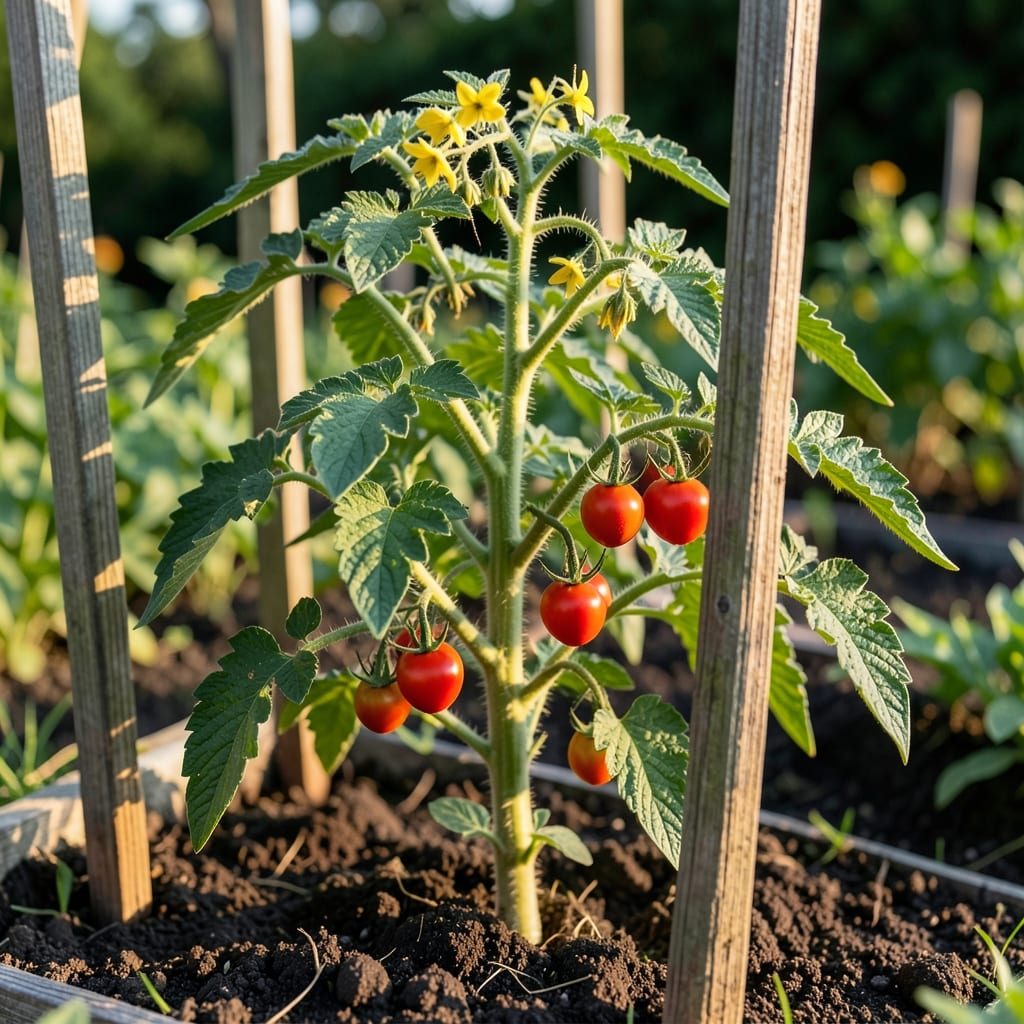
Tomatoes provide essential nutrients like folate, vitamin C, and lycopene during pregnancy, supporting fetal development, immune health, and reducing oxidative stress for both mother and baby.
I love how tomatoes pack a nutritional punch with their rich vitamin C content, which boosts iron absorption—a critical factor during pregnancy. The lycopene in tomatoes also acts as a powerful antioxidant, helping protect cells from damage. Plus, their natural folate supports neural tube development in the earliest stages. ✨
What makes them even better is their versatility—you can enjoy them raw, cooked, or in sauces without losing most of their benefits.
💡 In This Article
One medium tomato delivers about 22mg of vitamin C, covering 25% of the daily requirement for pregnant women. This vitamin boosts collagen production, essential for skin elasticity as the belly expands. It also enhances iron absorption from plant-based foods, combating anemia—a common pregnancy concern. ✨
The lycopene content, more bioavailable when cooked, acts as a shield against oxidative stress. Studies show it may reduce preeclampsia risk by improving placental function. A single cup of cooked tomatoes provides about 25mg of lycopene, a concentration higher than in raw form. 🔥
Folate in tomatoes, with 27µg per medium fruit, supports neural tube development during the first trimester. This B vitamin works synergistically with vitamin B12 to form red blood cells, preventing megaloblastic anemia. The fiber content, about 1.5g per tomato, aids digestion and prevents constipation. ⚡
Potassium in tomatoes, around 292mg per medium fruit, helps maintain healthy blood pressure levels. This mineral balances fluids in the body, reducing swelling—a common pregnancy discomfort. The combination of water (95% content) and electrolytes makes tomatoes a natural hydrating food. 💫
Tomatoes also contain beta-carotene, which the body converts to vitamin A. This nutrient supports fetal eye development and immune function. Unlike synthetic supplements, the vitamin A from tomatoes is plant-based and non-toxic in normal dietary amounts. The small amount of vitamin K helps with blood clotting, important for delivery preparation. ✨
Aim for 1-2 medium tomatoes or about 1 cup of cooked tomato products daily. This provides essential nutrients without overdoing acidity, which may trigger heartburn.
Both have benefits, but cooking boosts lycopene absorption by up to 4 times. Raw tomatoes retain more vitamin C. Mix both forms for balanced nutrition.
Generally safe, but unwashed tomatoes may carry bacteria. Always wash thoroughly. Overconsumption of raw tomatoes might worsen heartburn for some women.
Keep whole tomatoes at room temperature until ripe, then refrigerate. For cut tomatoes, store in an airtight container for up to 3 days.
Canned tomatoes retain most nutrients and often have higher lycopene due to the cooking process. Just choose no-salt-added versions and check can integrity.