
Beautiful Plants For Your Interior
Beautiful Plants For Your Interior
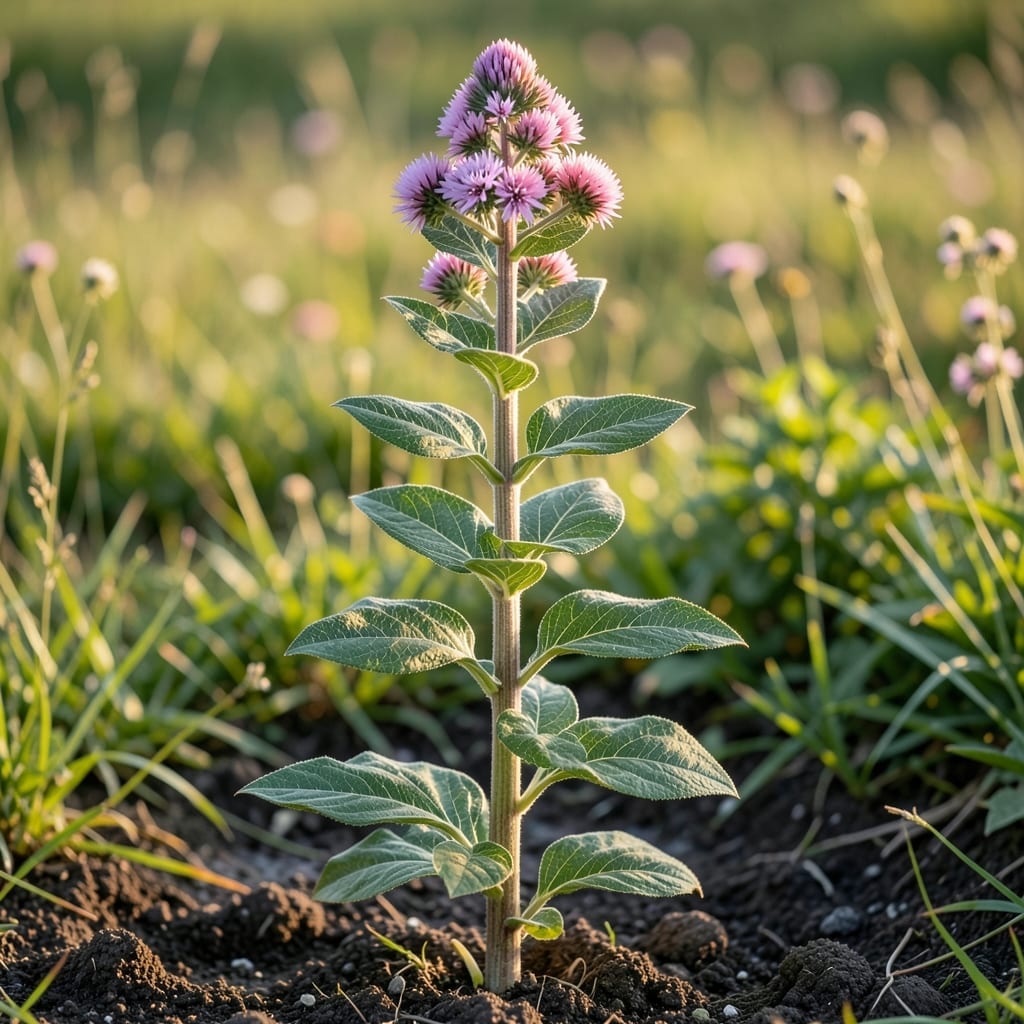
Milkweed plants support monarch butterflies by providing essential food for caterpillars, improve soil health with deep roots, and attract pollinators like bees to gardens.
I’ve seen firsthand how milkweed acts as a host plant for monarch larvae, making it irreplaceable in their survival. 🌟 Its extensive root system also prevents erosion and enhances soil structure by bringing up nutrients from deep underground. Gardeners love it because it draws in a diverse range of beneficial insects, creating a more vibrant and balanced ecosystem.
💡 In This Article
Monarch butterflies rely exclusively on milkweed as their host plant for reproduction. Female monarchs lay eggs on milkweed leaves, and the emerging caterpillars feed on nothing else—this obligate relationship means no milkweed equals no monarchs. The plant produces cardiac glycosides which make caterpillars toxic to predators, a clever survival strategy. 🌟
Native bees and other pollinators benefit from milkweed’s abundant nectar, which contains 30-40% sugar concentration. This high-energy food source supports over 450 insect species, including honeybees, bumblebees, and specialist bees that co-evolved with milkweed. The flowers’ unique structure requires pollinators to physically interact with the pollen sacs, ensuring efficient pollen transfer.
Beyond butterflies, milkweed supports food webs by hosting milkweed beetles, aphids, and predatory insects. These interactions create what ecologists call a keystone species effect, where one plant sustains entire communities. Studies show gardens with milkweed have 3-5x more pollinator diversity than those without. ✨
The plant’s deep taproot system, often reaching 4-6 feet underground, stores water and nutrients efficiently. This allows milkweed to thrive in poor soils while improving them—each root can pump up to 20 gallons of water annually from deep layers, benefiting nearby plants through hydraulic lift.
What makes milkweed particularly valuable is its long blooming season. Unlike many native plants that flower for 2-3 weeks, milkweed produces blossoms continuously from early summer to fall, providing a critical food source during late-season pollinator shortages when other flowers have faded. 💫
Yes, milkweed supports a wide variety of pollinators, including bees and butterflies. Its nectar is rich and non-toxic to beneficial insects. Just avoid pesticide use near milkweed to protect visiting pollinators.
Milkweed spreads moderately via underground rhizomes. In ideal conditions, a single plant can expand 1-2 feet per year. Contain it with barriers or plant in dedicated areas.
Choose a large container at least 12-16 inches deep to accommodate its taproot. Ensure good drainage and full sun exposure for best results.
No, milkweed thrives in poor soils and doesn’t require fertilizer. Over-fertilizing can lead to lush foliage but fewer flowers, reducing its value to pollinators.