
Beautiful Plants For Your Interior
Beautiful Plants For Your Interior
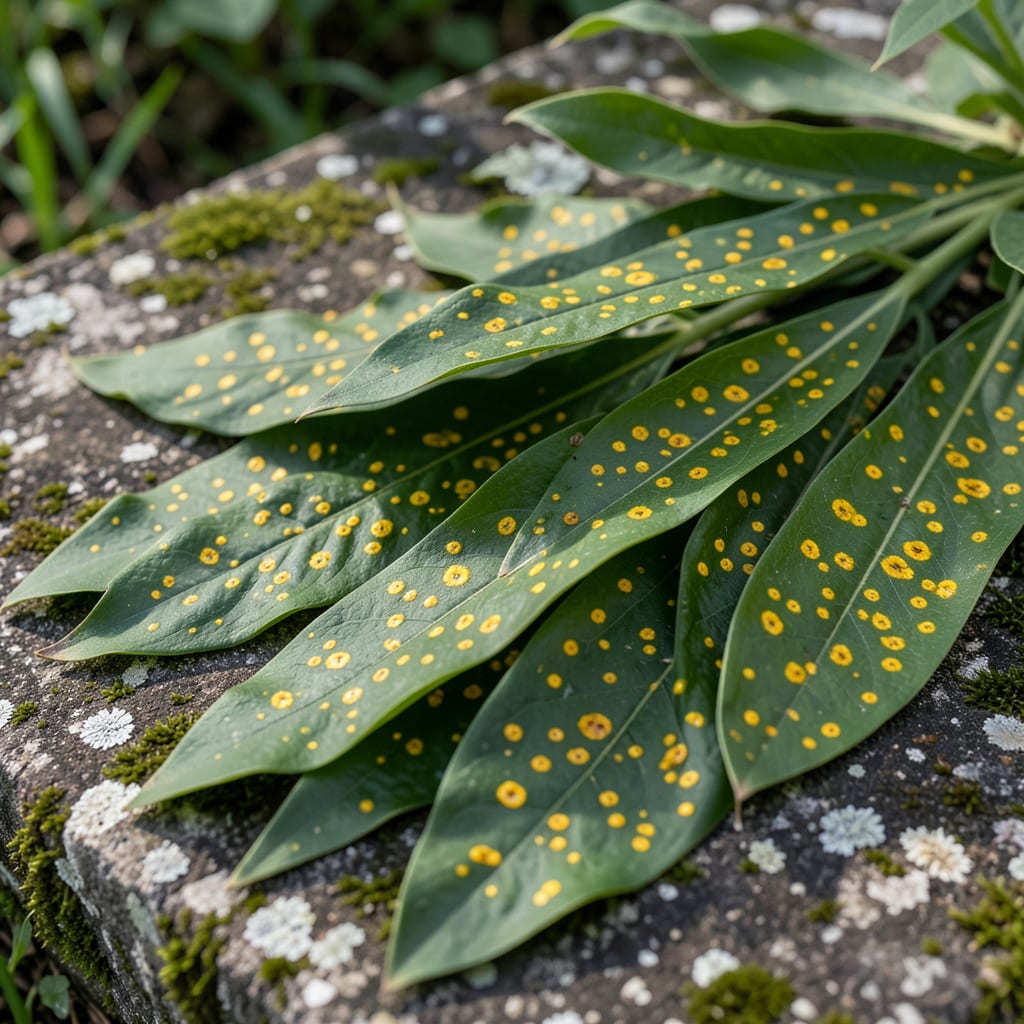
Yellow spots on milkweed leaves sent me into a panic last summer. 🌿 These plants are lifelines for monarch butterflies, and every leaf matters when you’re trying to support their dwindling population.
After some digging, I realized the culprits range from fungal infections to sap-sucking pests. The good news? Most issues are fixable with early intervention. Proper diagnosis is key—what works for powdery mildew won’t touch aphid damage.
You’ll get your milkweed back to vibrant green with targeted treatments and prevention strategies. The monarchs will thank you with more visits, and your garden will thrive as a true pollinator haven.
Works for both tropical and native milkweed varieties. Let’s save those leaves—and the butterflies that depend on them.
Yellow spots on milkweed leaves often signal underlying issues that can threaten the plant and monarch butterflies that rely on it. Here are the most common causes:
Fungi like Erysiphe (powdery mildew) or Alternaria thrive in damp, poorly ventilated conditions. They create yellow or brown spots with fuzzy growth, weakening the plant by disrupting photosynthesis.
Aphids, spider mites, and milkweed bugs pierce leaf tissues to feed, causing yellow stippling or spots. Their saliva may also introduce toxins or pathogens, accelerating damage.
Overwatering, drought, or nutrient deficiencies (e.g., nitrogen or magnesium) can trigger chlorosis—yellowing between leaf veins. Compacted soil or extreme temperatures further stress the plant.
Herbicides (e.g., glyphosate) or excessive fertilizer burn can lead to localized yellowing. Even drift from nearby treated areas can cause systemic damage.
Action Tip: Inspect leaves closely for pests or fungal signs, and adjust care practices to address the root cause.
If your milkweed leaves are developing yellow spots, the fix depends on the underlying cause. Below are targeted solutions for each common issue, along with prevention tips to keep your plants healthy and monarch-friendly.
Fix: Remove and destroy infected leaves to prevent the fungus from spreading. Apply a copper-based fungicide or a baking soda spray (1 tsp baking soda + 1 quart water + a few drops of dish soap) every 7–10 days until the spots disappear.
Prevention: Improve air circulation by spacing plants at least 18–24 inches apart. Water at the base in the morning so leaves dry quickly. Avoid overhead watering.
Fix: For aphids or spider mites, blast them off with a strong stream of water. For severe cases, use insecticidal soap or neem oil (apply in the evening to avoid harming pollinators). Check under leaves for pests and repeat treatment every 5–7 days as needed.
Prevention: Encourage natural predators like ladybugs and lacewings by planting companion flowers (e.g., marigolds, yarrow). Inspect plants weekly for early signs of pests.
Fix: Let the soil dry out slightly between waterings. If the plant is in a pot, ensure it has drainage holes. For waterlogged garden soil, amend with compost or sand to improve drainage.
Prevention: Use well-draining soil and water only when the top inch of soil feels dry. Mulch around the base to retain moisture without suffocating roots.
Fix: If leaves are scorched from too much sun, provide afternoon shade with a shade cloth. For nutrient deficiencies, apply a balanced, slow-release fertilizer or compost tea to replenish soil nutrients.
Prevention: Plant milkweed in a location with partial sun (4–6 hours daily) and rich, loamy soil. Test soil pH (aim for 6.0–7.5) and adjust if necessary.
💡 Pro Tip: Always wear gloves when handling milkweed, as its sap can irritate skin. Disinfect pruning tools with rubbing alcohol between cuts to avoid spreading disease.
Not always. While fungal infections can cause them, environmental stress like overwatering or nutrient deficiencies often creates similar symptoms. Check soil moisture and leaf patterns to pinpoint the issue.
It’s best to remove severely affected leaves to prevent spreading. Monarchs can still use healthy parts, but heavily diseased plants may not support their full lifecycle.
Apply fungicide or baking soda spray every 7–10 days until spots disappear. Prevent recurrence by improving air circulation and avoiding wet foliage.
Use neem oil cautiously and only in the evening when pollinators are less active. Avoid spraying leaves where caterpillars are feeding.
