
Beautiful Plants For Your Interior
Beautiful Plants For Your Interior
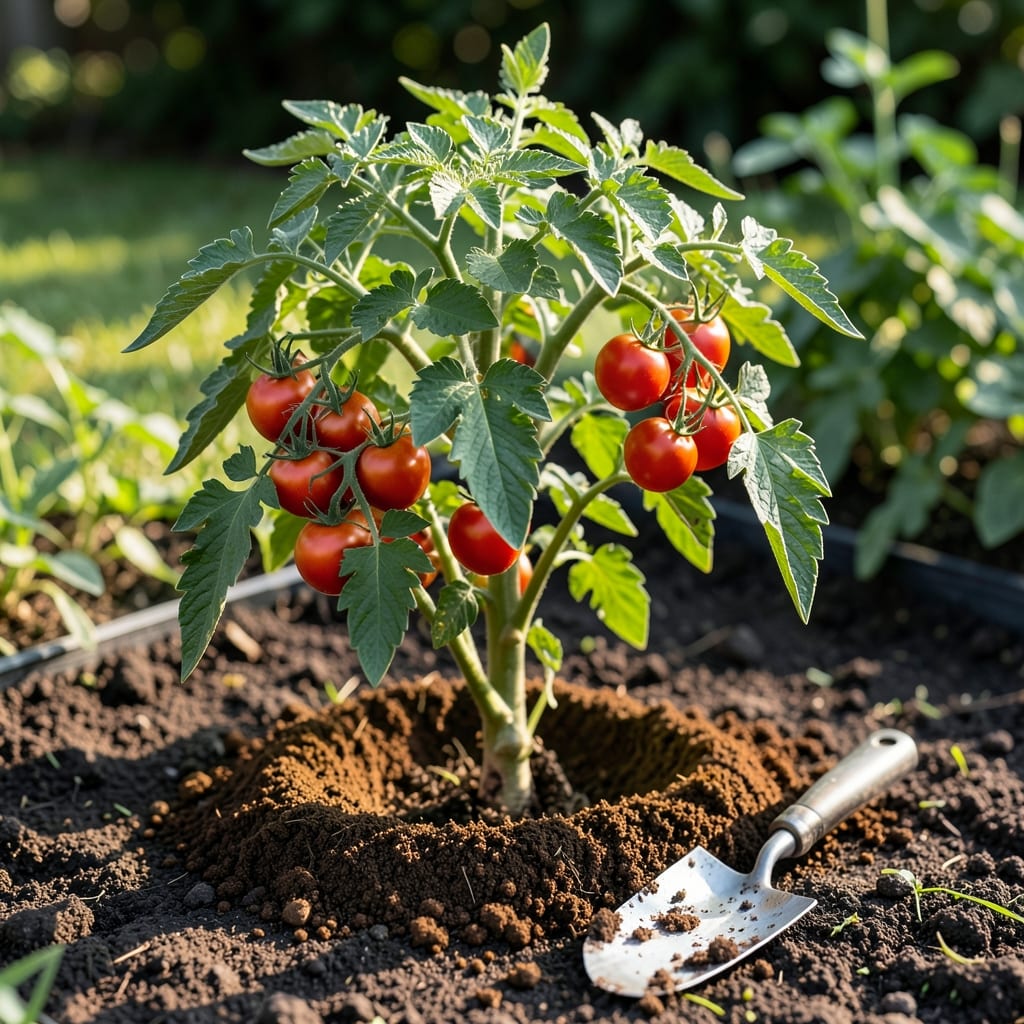
Used coffee grounds enrich garden soil with nitrogen, improve drainage, and attract earthworms while deterring pests like slugs and ants.
I love how these grounds act as a slow-release fertilizer, giving plants a steady nitrogen boost over time. They also help create a crumbly soil texture that roots love, and their scent naturally repels certain garden invaders. 🔥
What makes them special is the way they break down quickly, feeding beneficial microbes that improve overall soil health. 💫
💡 In This Article
Coffee grounds add organic matter that slowly decomposes, releasing nitrogen—a primary nutrient plants need for leafy growth. The breakdown process involves soil microbes that convert the grounds into plant-available compounds over 4-6 weeks. This gradual release prevents the nutrient burn that can happen with synthetic fertilizers. 🔥
They also improve soil structure by creating air pockets, which enhances drainage and root penetration. The coarse texture acts like tiny sponges, holding moisture while preventing compaction. In clay soils, they counterbalance the density, and in sandy soils, they increase water retention. ✨
The natural acidity (pH around 6.2-6.8) makes them ideal for acid-loving plants like blueberries, azaleas, and rhododendrons. However, they’re mild enough to benefit most garden plants without over-acidifying the soil. The caffeine residue, at 0.06-0.1%, deters slugs and ants by disrupting their nervous systems. 💫
Microbes thrive on coffee grounds, boosting soil biodiversity. Earthworms are particularly attracted to them, aerating the soil as they tunnel. This microbial activity also helps break down other organic matter faster, creating a richer growing environment. 🌟
Compared to other amendments like peat moss, coffee grounds offer both immediate structural benefits and long-term nutritional value. They’re also a sustainable way to recycle kitchen waste while reducing landfill contributions. ⚡
Avoid using fresh grounds—they’re too acidic and can harm plant roots. Always let them dry and cool first, or compost them for 4-6 weeks to neutralize acidity. This prevents burning tender roots and mold growth.
Acid-loving plants thrive best: blueberries, azaleas, and rhododendrons. Tomatoes, roses, and evergreens also respond well. Use sparingly on succulents or cacti, as they prefer less nitrogen and more alkaline conditions.
For most plants, a thin 1/4-inch layer once a month is ideal. Heavier applications can compact soil and create imbalances. In compost, maintain a 1:3 ratio with brown materials for optimal results.
Dried grounds actually deter many pests, including slugs and ants. However, fresh or clumped grounds may attract rodents or fruit flies. Always spread them thinly and avoid creating dense piles.