
Beautiful Plants For Your Interior
Beautiful Plants For Your Interior
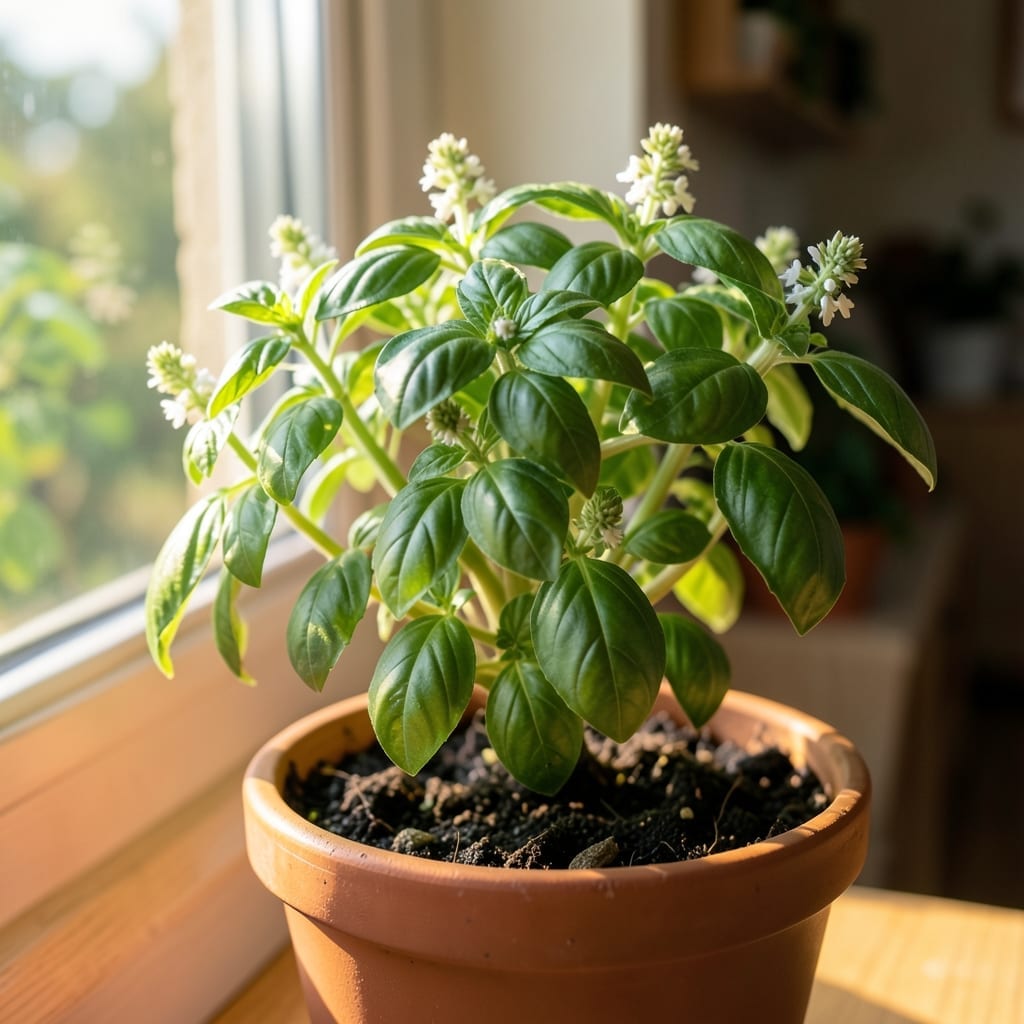
Basil thrives best between 70-90°F during the day and 50-70°F at night. Temperatures below 50°F can stunt growth, while extreme heat above 90°F may cause wilting or leaf scorch.
I’ve found that keeping basil in this sweet spot ensures robust leaf production and vibrant flavor. 🔥 The plant’s metabolism slows in cooler conditions, while excessive heat can stress it by increasing water loss. For best results, I monitor daily temperature swings, especially in early spring or late fall when nights get chilly.
💡 In This Article
Basil’s growth is tightly linked to temperature through photosynthesis. At 70-90°F, the plant’s chlorophyll works optimally, converting sunlight into energy efficiently. Below 50°F, enzyme activity slows, reducing sugar production and stunting leaf development. This is why basil often appears leggy in cool springs. ✨
The plant’s water movement also depends on warmth. At 70-80°F, transpiration—the process of water moving through leaves—balances perfectly with root absorption. Above 90°F, basil loses water faster than it can replace, causing wilting. I’ve seen leaves curl within hours in direct 100°F+ heat. 🔥
Nutrient uptake changes with temperature too. In cooler soils below 60°F, basil struggles to absorb nitrogen, leading to pale leaves. Meanwhile, extreme heat above 95°F can block calcium transport, causing tip burn. The ideal soil temperature for basil is 70-85°F, matching its air temperature needs. ⚡
Stress responses kick in at temperature extremes. Cold shock below 40°F triggers leaf blackening, while heat stress above 95°F produces smaller, tougher leaves as the plant conserves water. Basil also releases more aromatic oils in warm conditions, which is why summer-grown basil often tastes more intense. 🌟
Even daily temperature swings matter. A 20°F drop from day to night temperatures can stress basil, but this is normal in its native Mediterranean climate. The key is avoiding sudden changes—like moving plants from a 75°F indoor spot to a 45°F balcony overnight. 💫
Below 50°F, basil growth slows dramatically. At 40°F or lower, leaves may blacken and drop off. This happens because cold temperatures inhibit nutrient uptake and damage cell structures.
Temperatures above 90°F can cause wilting and leaf scorch. While basil can tolerate brief heat spikes, prolonged exposure to 95°F+ leads to stress, smaller leaves, and potential plant death.
Yes! Basil prefers 70-90°F during the day but can handle cooler nights between 50-70°F. This mimics its native Mediterranean climate. Sudden 20°F+ drops, though, can shock the plant.
Use mulch to insulate roots and move potted plants to stable environments. For outdoor basil, shade cloth helps during heatwaves, while frost cloth protects against cold snaps.
Warmer conditions (75-85°F) intensify the aromatic oils, giving basil its signature strong flavor. Cooler growth often results in milder, less fragrant leaves.