
Beautiful Plants For Your Interior
Beautiful Plants For Your Interior
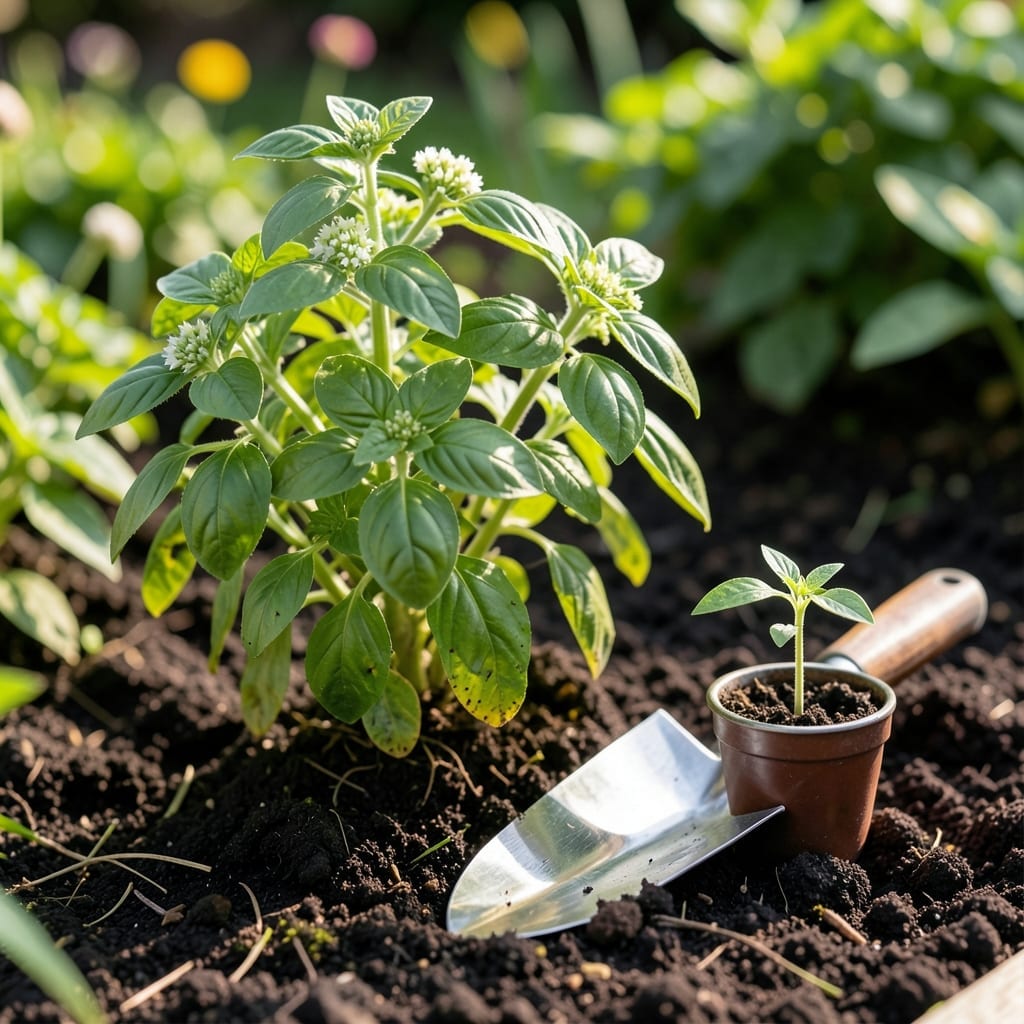
Timing is everything when growing 🌿 Basil in Oklahoma’s unpredictable climate. Plant too early, and frost can wipe out your crop; wait too long, and summer’s scorching heat may stunt its growth.
I’ve learned the hard way that getting this right makes all the difference. In zones 6b-7a, the window is tight but rewarding.
Discover how to align your planting with the state’s unique seasons. The key lies in understanding Oklahoma’s frost dates and soil warmth.
Let me show you exactly when to start for lush, thriving Basil that’ll make your garden the envy of the neighborhood.
Oklahoma’s USDA zones 6-8 create unique challenges for basil planting. The last frost typically hits around April 15, but I always wait until soil temps reach at least 50°F before sowing. This ensures tender seedlings won’t be shocked by late cold snaps.
For the best results, I aim to direct-sow basil in mid-to-late April when the ground has warmed. Starting seeds indoors 4-6 weeks earlier gives me a head start on the growing season.
| Requirement | Specification |
|---|---|
| Last Frost Date | April 15 |
| Soil Temperature | 50°F minimum |
| Ideal Planting Months | April – May |
| Sunlight Needs | 6-8 hours daily |
| Indoor Start | 4-6 weeks before last frost |
In central Oklahoma, where I garden, the optimal window is often April 20 to May 10. This timing avoids both late frosts and the summer heatwave that can stress young plants. I’ve found basil thrives when daytime temps stay above 70°F consistently.
If you’re in southern Oklahoma (zone 8), you can plant 2-3 weeks earlier than northern areas. The soil warms faster there, and the frost risk is lower. Just watch for unseasonal cold snaps that sometimes hit in early April.
For northern Oklahoma (zone 6), I recommend waiting until early May. The cooler spring means soil stays chilly longer. A soil thermometer is my go-to tool to check conditions before planting.
Basil hates cold feet, so I always use black plastic mulch to warm the soil faster in spring. This trick can give you a 1-2 week head start on planting. Just remove it once daytime temps hit 85°F to prevent overheating.
If you’re eager to start earlier, container gardening is your friend. I’ve successfully grown basil in pots on my sunny patio as early as late March. Containers warm up faster than ground soil and can be moved indoors if frost threatens.
Remember that basil is frost-sensitive, so even a light frost can kill it. I always keep frost cloth on hand for unexpected cold nights in early spring. It’s a small investment that can save your entire crop.
Finally, I’ve learned that succession planting works wonders in Oklahoma. I sow new seeds every 3-4 weeks until July for continuous harvests. This way, as older plants start to bolt in the heat, fresh ones are ready to take their place.
With these timing strategies, you’ll enjoy lush basil harvests all summer long 🌿
Oklahoma’s climate demands heat-tolerant basil varieties. I’ve found Genovese, Thai, and Lemon basil thrive best here, each with unique planting windows.
For Genovese basil, aim for mid-April starts. It handles Oklahoma’s humidity but needs consistent moisture to prevent wilting.
| Variety | Planting Window | Key Trait |
|---|---|---|
| Genovese | April-May | Classic flavor, medium heat tolerance |
| Thai | May-June | Spicy notes, high heat tolerance |
| Lemon | April-June | Citrus aroma, drought-resistant |
Thai basil is my top pick for Oklahoma summers. Its spicy flavor holds up in heat, and it resists bolting longer than other types.
Lemon basil offers a citrus twist and tolerates drought better. I plant it in well-draining soil to prevent root rot during heavy rains.
For drought-prone areas, consider Spicy Globe basil. This compact variety stays small but packs a flavor punch even in dry spells.
Remember, microclimates matter. Urban gardens may run 2-3°F warmer than rural areas, allowing for earlier planting.
I always check my local soil temperature with a simple thermometer. When it hits 70°F, it’s go time for basil.