
Beautiful Plants For Your Interior
Beautiful Plants For Your Interior
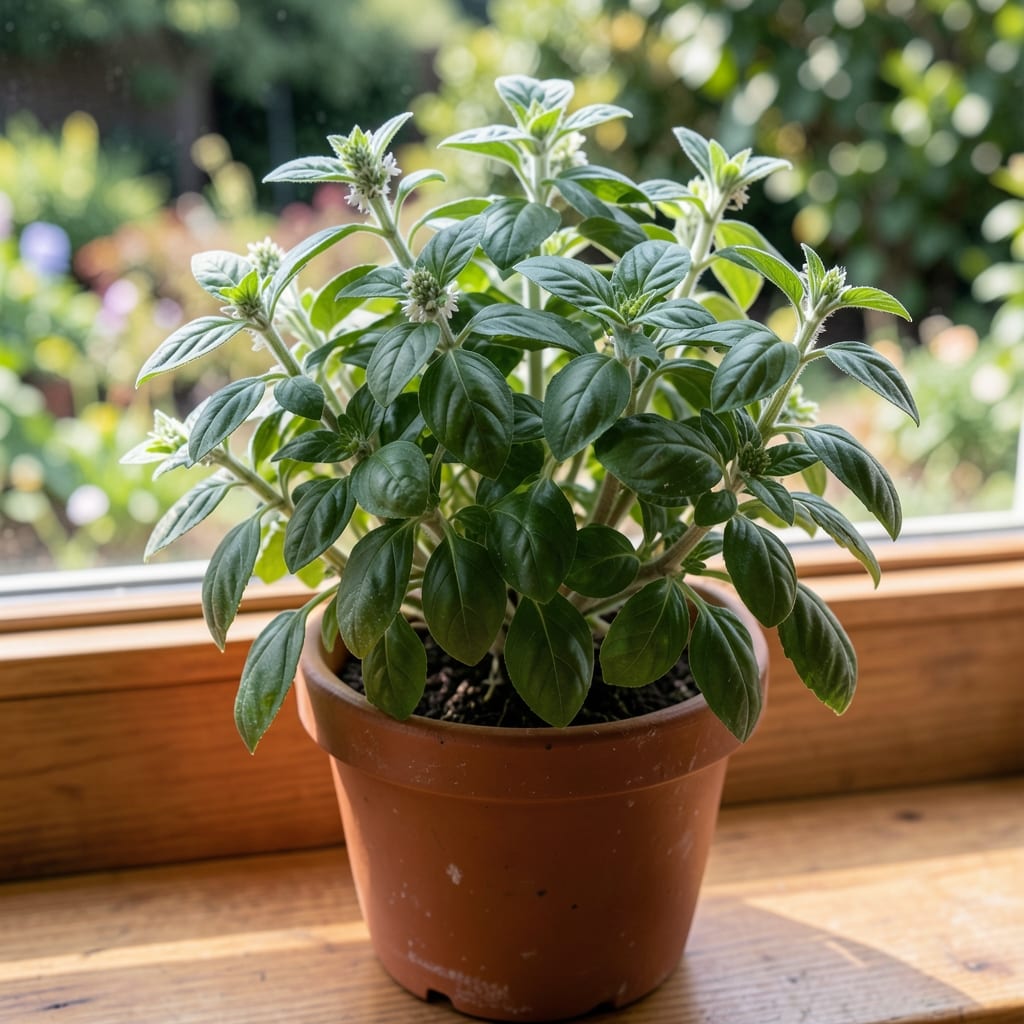
Basil thrives in warm conditions between 70-90°F during the day and no lower than 50°F at night. Temperatures below 50°F can stunt growth or kill the plant.
I’ve learned that basil’s warmth preference comes from its Mediterranean origins, where consistent 70-90°F days support optimal enzyme activity for growth. When nights dip below 50°F, the plant’s metabolism slows dramatically. 🔥 This is why gardeners often start seeds indoors or use protective covers during early spring transitions.
What’s fascinating is how even brief cold exposure can trigger stress responses, turning leaves black or causing wilting. I always recommend monitoring weather forecasts closely if you’re growing this herb outdoors.
💡 In This Article
Basil’s warmth requirement stems from its Mediterranean roots, where enzymes for growth and photosynthesis operate optimally between 70-90°F. This range maximizes chlorophyll production, giving the plant its vibrant green color and rapid leaf development. When temperatures climb above 90°F, the plant may wilt as it loses water faster than roots can absorb it. 🔥
At the cellular level, cold temperatures below 50°F disrupt membrane integrity. The plant’s cells can’t maintain proper fluid balance, leading to blackened leaves and stunted growth. Even a brief overnight frost can cause irreversible damage, as ice crystals form within the plant tissues, rupturing cell walls.
This is why basil often dies back completely in early fall.
Photosynthesis slows dramatically in cooler conditions. The plant’s ability to convert sunlight into energy drops by up to 50% at 40°F compared to its ideal range. You’ll notice leaves turning yellow or purple—signs of nutrient deficiencies as the plant struggles to process essential minerals from the soil. ✨
The stress response to cold triggers ethylene production, a hormone that accelerates leaf drop. This is the plant’s survival mechanism, sacrificing leaves to conserve energy for its core. In extreme cases, the entire above-ground portion may die back, though roots can sometimes survive brief cold snaps if soil temperatures remain above 45°F. 💫
For comparison, basil behaves similarly to other Mediterranean herbs like oregano and thyme, though these hardier perennials can tolerate slightly cooler temperatures. Basil’s annual nature makes it particularly vulnerable, as it lacks the deep root systems or protective mechanisms that allow some plants to survive winter conditions. 🌟
Below 50°F, basil leaves may blacken and growth stalls. Frost is fatal, as ice crystals rupture cells. Even brief cold snaps can trigger leaf drop as the plant sacrifices foliage to survive.
It handles up to 90°F well but wilts above that. Provide afternoon shade and consistent watering in extreme heat. Mulch helps retain moisture in the soil.
Wait until nighttime temperatures stay above 50°F. Typically 2 weeks after your last frost date. For hot climates, early spring or late summer plantings avoid peak heat.
Move containers indoors or to a sheltered area. Cover with frost cloth before sunset to trap daytime heat. Avoid plastic, which can cause condensation damage.