
Beautiful Plants For Your Interior
Beautiful Plants For Your Interior
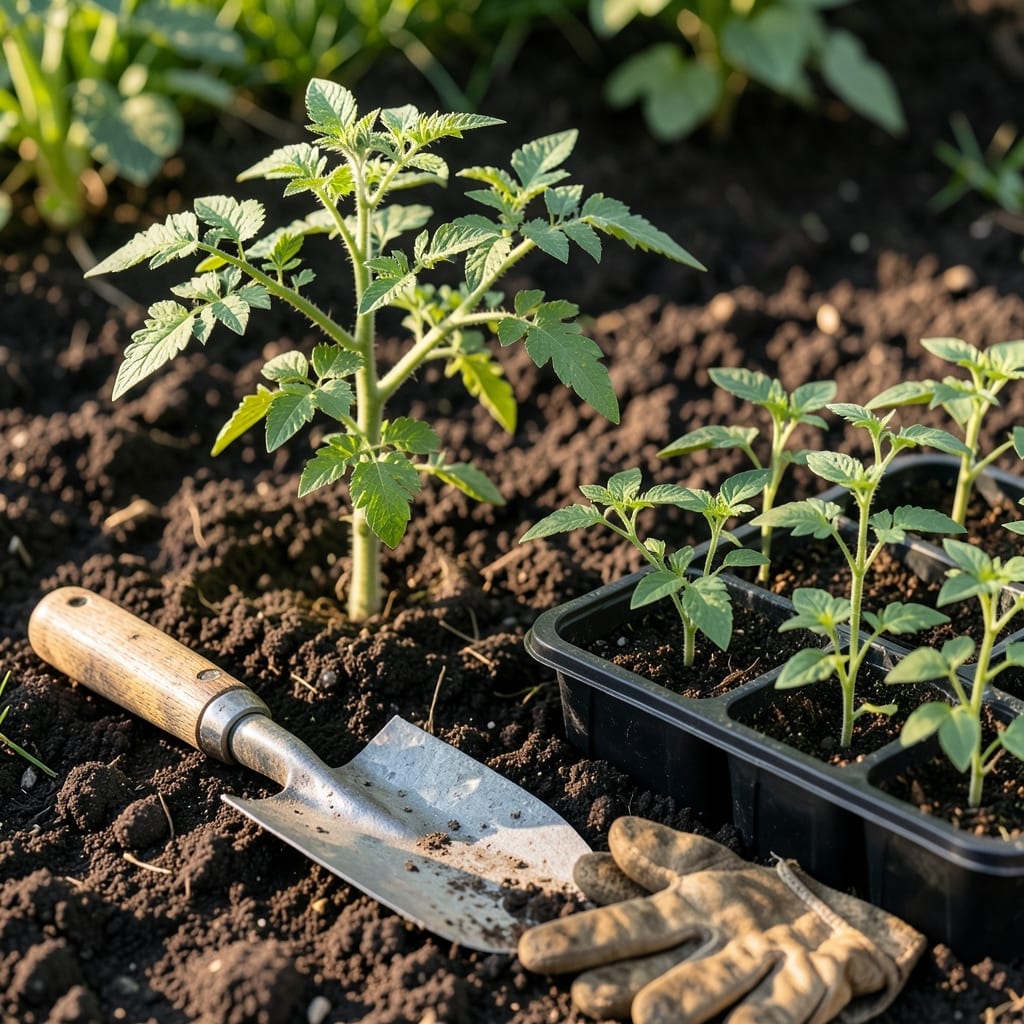
Check local agricultural extension offices, weather services, or online frost date calculators. Most regions have dates between late March and early June, varying by climate zone.
I always start by checking my USDA hardiness zone because frost dates shift dramatically between coastal areas and mountain regions. 💫 The difference can be weeks apart, even within the same state. Microclimates near lakes or urban heat islands often have later frost dates than rural valleys, which is why hyper-local data gives the most accurate planting window.
💡 In This Article
The USDA hardiness zones divide North America into regions based on average annual minimum temperatures, which directly influence when your last frost occurs. Zone 3 (northern Minnesota) often sees frosts until mid-May, while Zone 10 (southern Florida) may never experience frost at all.
These zones account for 10°F differences in winter lows, creating distinct planting windows. 🔥
Elevation adds another layer of complexity. For every 1,000 feet of altitude gain, temperatures drop approximately 3.5°F. This means a garden in Denver at 5,280 feet will have a later last frost than one in Kansas City at 700 feet, despite similar latitudes.
Mountain valleys also trap cold air, creating frost pockets that can be 5-10°F colder than surrounding areas.
Proximity to large water bodies significantly moderates temperatures. Coastal regions like Seattle experience milder winters due to the Pacific Ocean’s heat retention, pushing last frost dates earlier. Conversely, inland areas like Chicago see more extreme temperature swings.
The Great Lakes create their own microclimates, with areas south of Lake Erie often frost-free 2-3 weeks earlier than locations just 50 miles inland. ✨
Frost formation itself depends on clear skies, calm winds, and dew point temperatures at or below 32°F. These conditions allow heat to radiate away from the earth’s surface rapidly. Urban heat islands, where cities retain warmth from buildings and pavement, can delay frost by 1-2 weeks compared to rural surroundings.
This explains why downtown gardens often have different planting schedules than suburban ones.
The National Oceanic and Atmospheric Administration tracks these patterns using 30-year averages of temperature data. Their models incorporate factors like latitude, elevation, and proximity to water to generate county-level frost date predictions. These aren’t absolute guarantees but rather probabilistic estimates based on historical weather patterns. 💫
Use your ZIP code on the NOAA or Old Farmer’s Almanac websites for precise data. Local agricultural extension offices also provide county-specific charts.
Microclimates like elevation, proximity to water, or urban heat islands create variations. A valley might frost 2 weeks earlier than a hilltop just 1 mile away.
Hardy crops like peas or kale can go in 4-6 weeks before. Use row covers for tender plants if a late frost is forecast.
There’s a 50% chance of frost after the listed date. For 90% safety, add 2-3 weeks to the average for sensitive plants.