
Beautiful Plants For Your Interior
Beautiful Plants For Your Interior
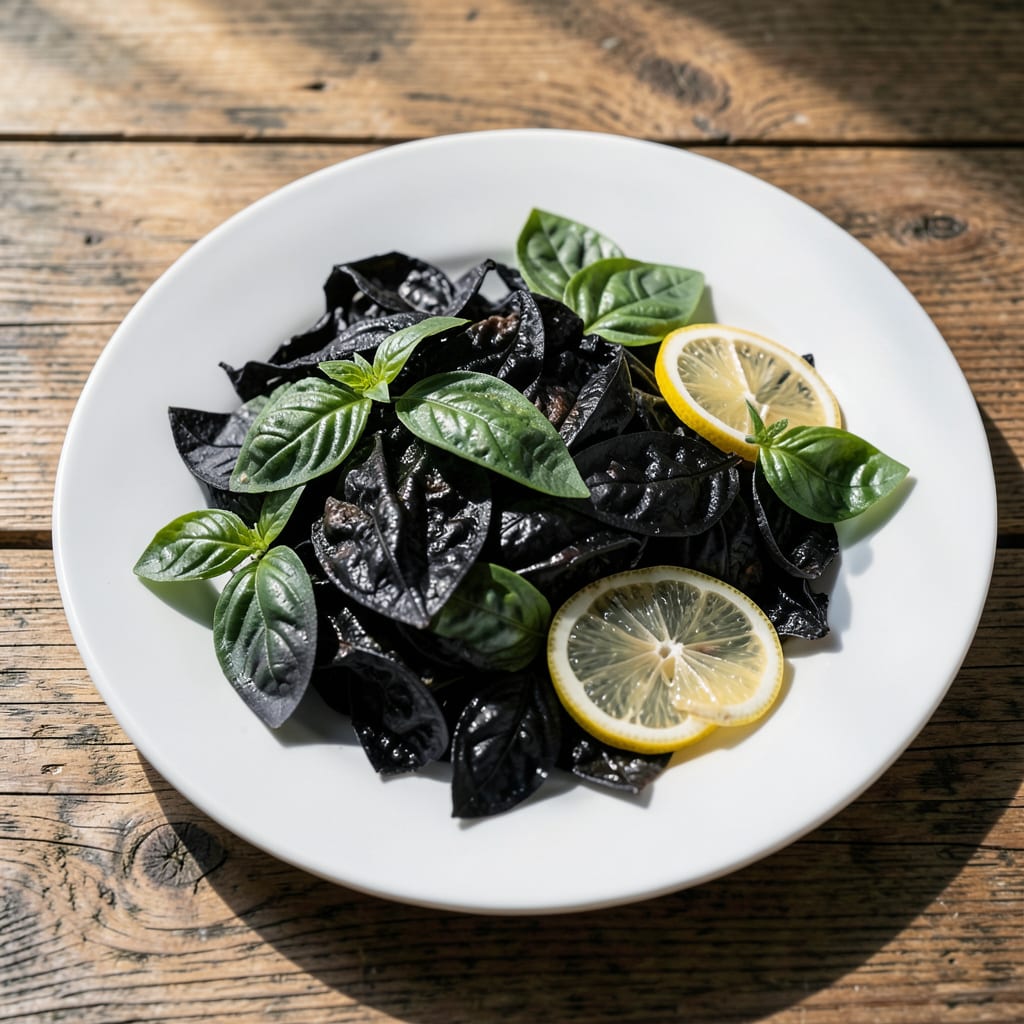
Black basil leaves are a garden emergency signal. I’ve seen this happen overnight with overwatering, then watched plants bounce back within 48 hours of the right fix.
Most cases trace to three culprits: soggy roots, fungal attacks, or pest damage. The good news is each has a simple solution once you learn to spot the differences in leaf patterns and stem conditions.
You’ll rescue your plant with quick adjustments to watering, airflow, or treatment. The leaves will shift from black back to vibrant green as the plant stabilizes.
Works for potted basil, garden plants, and windowsill herbs alike. Here’s how to diagnose fast.
Basil leaves turning black can be distressing, but understanding the root causes helps you act fast. Here are the most common culprits behind this issue:
Fungal diseases like Colletotrichum (anthracnose) or Pseudoperonospora belbahrii (downy mildew) thrive in damp, poorly ventilated conditions. These pathogens attack the leaves, causing dark, irregular spots that eventually turn black. Overhead watering or high humidity accelerates their spread.
Excess moisture in the soil suffocates the roots, leading to root rot. As the roots decay, they fail to absorb nutrients, causing the leaves to darken and wilt. Basil prefers well-draining soil, so waterlogged conditions are a common trigger for blackening leaves.
Extreme temperatures, especially cold drafts below 50°F (10°C), can shock basil plants. This stress disrupts cellular function, leading to necrotic (dead) tissue that appears as black patches. Similarly, sudden temperature swings or frost exposure can cause irreversible damage.
An imbalance in soil nutrients—either a deficiency (e.g., phosphorus) or an excess (e.g., fertilizer burn)—can manifest as blackened leaves. Over-fertilization, particularly with high-nitrogen formulas, may scorch the foliage, while a lack of essential minerals weakens the plant’s defenses.
Pests like aphids, thrips, or spider mites pierce basil leaves to feed, introducing pathogens or causing physical trauma. The resulting wounds can turn black as the tissue dies. Infestations often start on the undersides of leaves, so inspect your plant regularly.
Once you’ve identified the cause, act fast to revive your basil. Below are targeted fixes for each common issue, plus prevention tips to keep your plant thriving. 🌱✨
Fix: Stop watering immediately and let the soil dry out. Repot the basil in fresh, well-draining soil if the roots are soggy or rotting. Use a pot with drainage holes to prevent waterlogging.
Prevention: Water only when the top inch of soil feels dry. Use a moisture meter or the finger test to check soil dampness before watering.
Fix: Remove all blackened leaves with clean scissors to stop the spread. Treat the plant with a copper-based fungicide or a diluted baking soda solution (1 tsp baking soda + 1 quart water + a drop of dish soap).
Prevention: Avoid overhead watering—water at the base instead. Space plants apart for better airflow, and sterilize pruning tools with rubbing alcohol.
Fix: Move potted basil indoors or to a warmer spot if cold is the issue. For frostbitten leaves, prune the damaged foliage and keep the plant in a stable environment (above 50°F/10°C).
Prevention: Monitor weather forecasts and bring basil inside before temperatures drop. Use row covers or cloches for outdoor plants in cooler climates.
Fix: Wipe leaves with a damp cloth to remove pests like aphids or spider mites. Apply neem oil or insecticidal soap, repeating every 3–4 days until pests are gone.
Prevention: Inspect plants regularly for early signs of pests. Introduce beneficial insects like ladybugs or use reflective mulch to deter invaders.
Fix: Feed your basil with a balanced, water-soluble fertilizer (10-10-10 or 5-5-5) to correct deficiencies. Yellowing with black spots may signal a phosphorus or potassium shortage—switch to a fertilizer higher in these nutrients.
Prevention: Fertilize lightly every 4–6 weeks during the growing season. Avoid over-fertilizing, which can burn roots and worsen leaf discoloration.
💡 Pro Tip: Always test soil moisture and temperature before adjusting care—overcorrecting can stress the plant further!
Yes, waterlogged roots can suffocate and darken leaves within 24-48 hours. Stop watering immediately and move the plant to a sunny spot. Check for mushy roots and repot in fresh, dry soil if needed.
Look for tiny holes, webbing, or sticky residue on leaves. Pests like aphids often hide underneath foliage. A magnifying glass helps spot these invaders before damage spreads.
Unfortunately, blackened tissue is dead and won’t recover. Prune damaged leaves with clean shears to direct energy to healthy growth. New, green leaves will replace them with proper care.
Keep basil between 70-85°F during the day. Anything below 50°F can cause cold shock. Move potted plants indoors if nighttime temperatures drop.
