
Beautiful Plants For Your Interior
Beautiful Plants For Your Interior
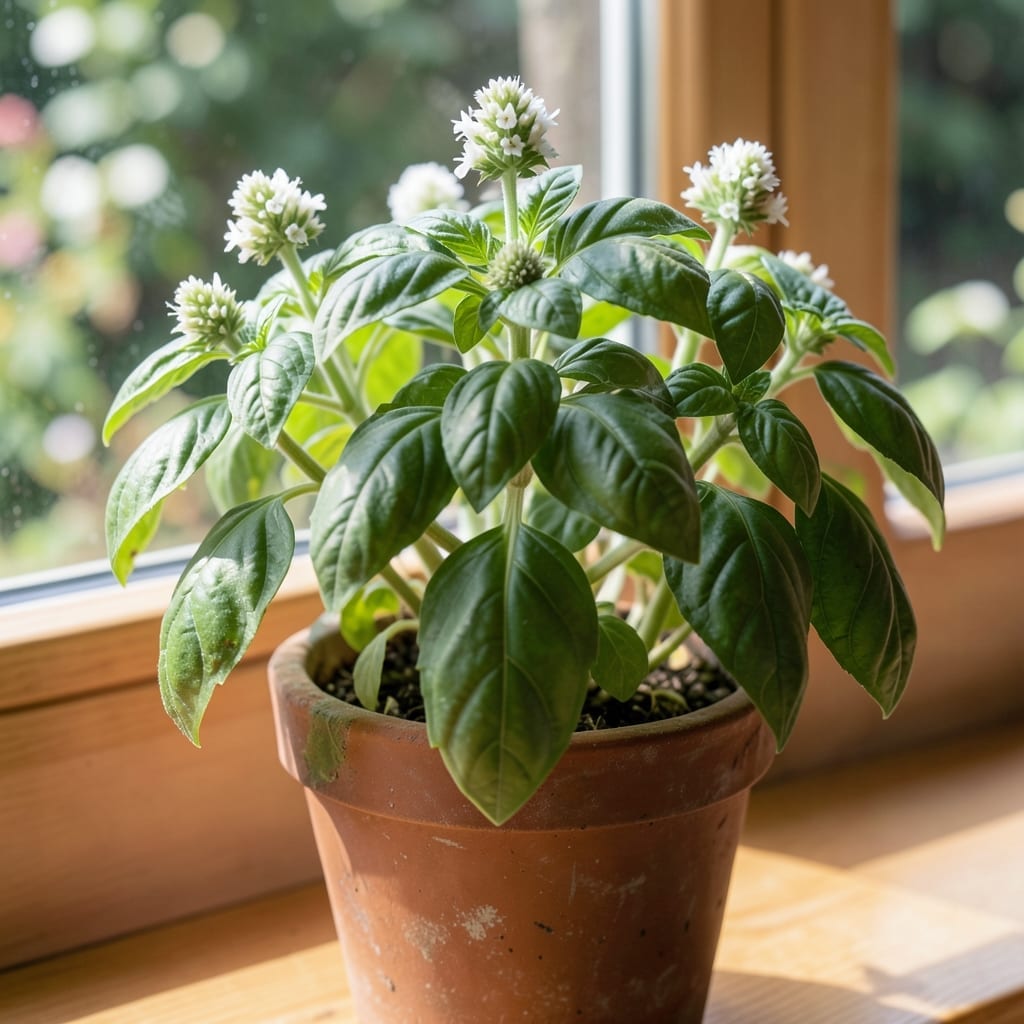
Basil thrives in warm conditions and suffers below 50°F, with growth stopping at 32°F. Frost will kill the plant, so protect it when temperatures drop.
I’ve learned that basil’s tropical origins make it particularly sensitive to chill. 🔥 When exposed to 50°F or lower, the leaves often darken and wilt as the plant’s metabolic processes slow dramatically. What’s worse, a light frost can turn tender foliage black overnight, so I always monitor forecasts closely during shoulder seasons.
💡 In This Article
Basil’s tropical origins make it highly sensitive to cold. When temperatures drop below 50°F, its metabolic processes begin to slow, reducing photosynthesis and nutrient uptake. This is because basil’s enzymes, optimized for warm climates, become less efficient in cooler conditions. 🌟
At 32°F, basil’s growth halts entirely as cellular activity grinds to a standstill. The plant’s leaves may turn dark or blacken due to frost damage, which ruptures cell walls. Roots also suffer, struggling to absorb water and nutrients from chilled soil, leading to wilting and stunted growth.
The damage isn’t always immediate. Even brief exposure to cold can trigger stress responses, such as leaf curling or yellowing, as the plant diverts energy to survival rather than growth. Prolonged cold exposure weakens basil, making it more susceptible to diseases like fungal infections.
What’s happening on a microscopic level? Cold temperatures cause the plant’s cell membranes to become less fluid, disrupting transport of essential molecules. This is why basil often recovers slowly after a cold snap—its internal systems need time to reset.
For comparison, basil thrives in temperatures between 70-90°F, where its metabolism peaks. Below 50°F, it’s like the plant is running on empty, struggling to perform even basic functions. This is why gardeners in cooler climates often treat basil as an annual or grow it in containers for easy indoor relocation. ⚡
Below 50°F, basil’s growth slows dramatically as its metabolism stalls. Leaves may darken or wilt, and at 32°F growth stops entirely. Frost will turn foliage black and kill the plant.
Move containers indoors near a sunny window when temps drop below 50°F. A garage or enclosed porch works too if it stays above 40°F. Always avoid drafty areas.
It depends on the severity. Brief chilling may cause wilting but plants often bounce back in warmth. Frost damage is usually permanent—blackened leaves won’t regrow.
Yes! Apply 2-3 inches of straw or leaves around the base to protect roots. Remove it when warm weather returns to prevent rot. This works best for in-ground plants.