
Beautiful Plants For Your Interior
Beautiful Plants For Your Interior
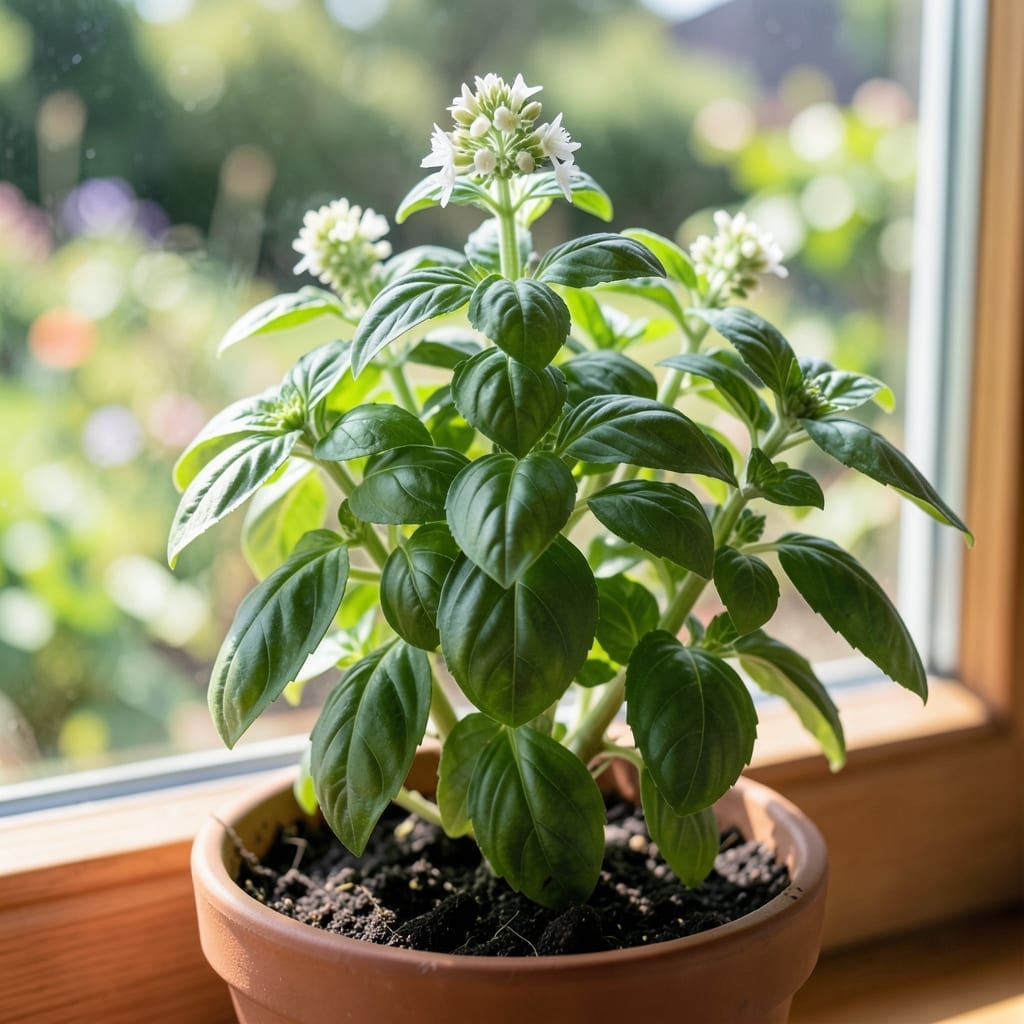
Those curled basil leaves had me stumped last summer. Turns out, it’s usually a simple fix—too much love in the form of water, or not enough light.
I’ve seen healthy basil bounce back within days once the conditions are right. Check for overwatering first, then look at sunlight and temperature.
Pests and disease can curl leaves too, but they’re less common. A quick inspection of the stems and undersides reveals the culprit.
With the right adjustments, you’ll have flat, vibrant leaves again before you know it. No fancy tools required.
Understanding why your basil leaves are curling starts with identifying the root causes. Here are the most common culprits, explained with actionable insights:
Basil thrives in warm environments (70–85°F). Sudden temperature drops below 50°F or heat spikes above 90°F trigger leaf curling as a survival response. Cold drafts or direct contact with frosty surfaces can also cause cellular damage, leading to deformation. Move potted basil indoors or to a shaded area during extreme weather.
Overwatering suffocates roots, reducing their ability to absorb nutrients and water, which causes leaves to curl upward. Conversely, underwatering leads to wilting and downward curling as the plant conserves moisture. Check soil moisture 1–2 inches deep—water only when dry. Ensure pots have drainage holes to prevent root rot.
Sap-sucking pests like aphids, whiteflies, or spider mites drain plant fluids, causing stress and curled leaves. Inspect the undersides of leaves for tiny insects or webbing. Treat infestations with neem oil or insecticidal soap, and isolate affected plants to prevent spreading.
A lack of magnesium or calcium can distort new growth. Yellowing between leaf veins (interveinal chlorosis) often signals magnesium deficiency, while stunted, curled tips may indicate calcium issues. Use a balanced, water-soluble fertilizer (e.g., 10-10-10) and consider amending soil with crushed eggshells for calcium.
Low humidity (below 40%) or excessive wind can dehydrate leaves, prompting curling. Group plants together to raise humidity or use a pebble tray with water. Shield outdoor basil from strong winds with a barrier or relocate to a sheltered spot.
Here’s how to tackle each cause of curling basil leaves with simple, actionable fixes—and how to prevent them from happening again.
Fix: Check the soil with your finger—if it’s bone-dry 1 inch down, water thoroughly until it drains from the bottom. If soggy, let it dry out and ensure the pot has drainage holes. Use a well-draining potting mix to avoid waterlogging.
Prevention: Water when the topsoil feels dry, and always empty the saucer after watering to prevent root rot.
Fix: Move potted basil to a spot with morning sun and afternoon shade. For garden plants, use shade cloth during peak heat (above 90°F). Mist leaves in extreme heat to cool them down.
Prevention: Acclimate basil gradually to sunlight and avoid placing pots near heat sources like grills or radiators.
Fix: Inspect leaves for aphids, spider mites, or whiteflies. Spray off pests with a strong stream of water or apply neem oil (mix 1 tsp per quart of water) every 5–7 days until gone.
Prevention: Keep plants clean, remove debris, and introduce beneficial insects like ladybugs. Avoid over-fertilizing, which attracts pests.
Fix: Group basil with other plants to raise humidity, or place a tray of water with pebbles near the pot. For indoor plants, use a humidifier or mist leaves 1–2 times daily.
Prevention: Maintain 40–60% humidity around basil, especially in dry climates or heated indoor spaces.
Fix: Feed with a balanced, water-soluble fertilizer (10-10-10) every 4–6 weeks during growing season. Yellowing leaves may need a nitrogen boost; add compost or fish emulsion.
Prevention: Start with nutrient-rich soil and avoid over-fertilizing, which can burn roots and cause stress.
Fix: Gently remove the plant and check for circling roots. Repot into a container 2 inches larger with fresh potting mix, loosening roots if tightly bound.
Prevention: Repot basil every 6–8 weeks or when roots appear at the drainage holes.
Water when the top 1 inch of soil feels dry. This usually means every 2-3 days in hot weather or 5-7 days in cooler conditions. Always ensure proper drainage.
Yes, intense sunlight above 90°F can stress basil. Move plants to partial shade during peak afternoon hours or use shade cloth to protect them.
Check for aphids, spider mites, or whiteflies on leaf undersides. These pests suck sap, causing stress and curling. Treat with neem oil or insecticidal soap.
Yes, new growth will typically be healthy once conditions improve. Severely curled leaves may not flatten completely but new ones will grow normally within 1-2 weeks.