
Beautiful Plants For Your Interior
Beautiful Plants For Your Interior
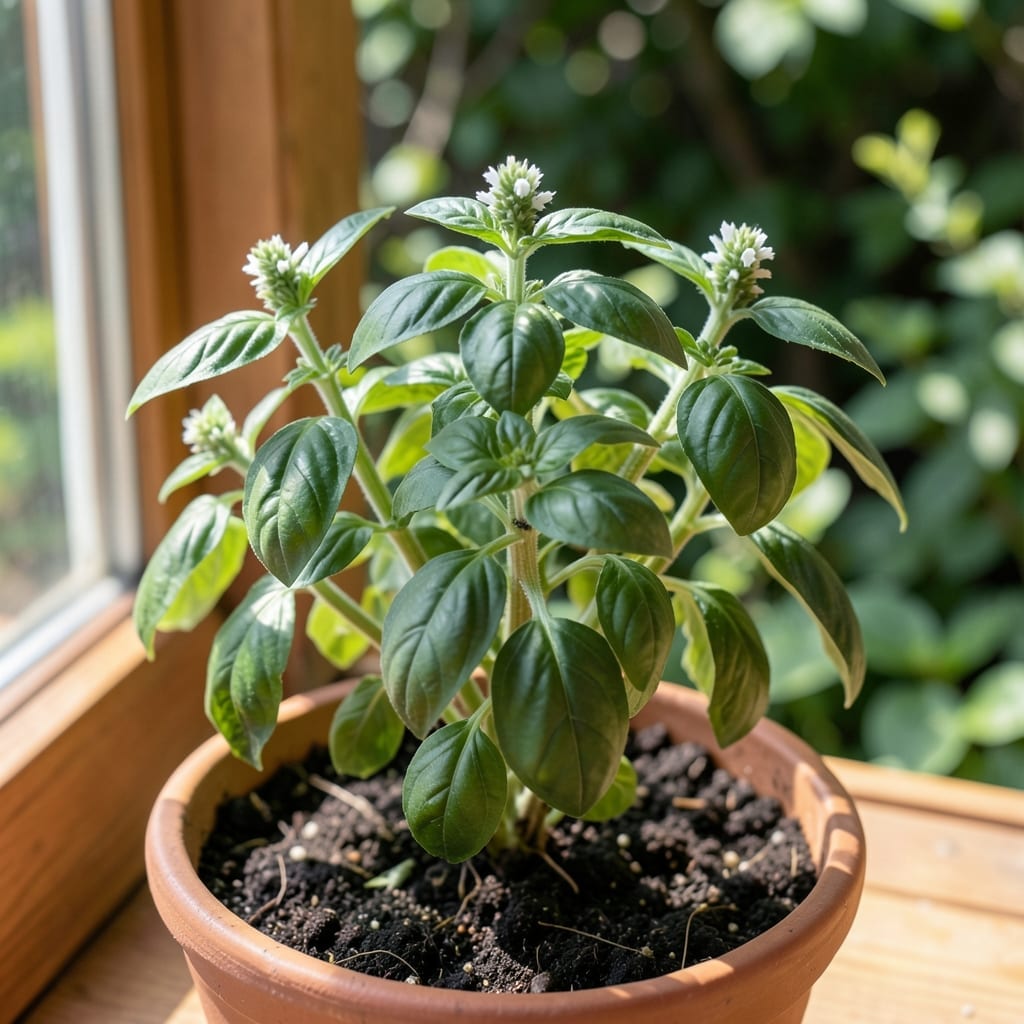
The basil herb is called ‘Tulsi’ in Hindi, a sacred plant in Indian culture also known for its medicinal properties and use in Ayurveda.
In Indian households, you’ll often find Tulsi plants growing in courtyards or small pots, as they’re considered auspicious. This herb isn’t just valued for its spiritual significance—it’s also a staple in traditional remedies for respiratory and digestive issues. I’ve seen it used in teas, pastes, and even as a natural air purifier in many homes. ✨
💡 In This Article
Tulsi holds a sacred place in Hinduism, often worshipped as the earthly manifestation of the goddess Lakshmi. Devotees perform daily rituals like watering the plant and lighting lamps near it, believing this brings prosperity and protection. The plant is frequently found in temple courtyards and home altars, symbolizing purity and divine energy.
In Ayurveda, Tulsi is called the “Queen of Herbs” for its extensive healing properties. It’s used to treat respiratory disorders, boost immunity, and reduce stress. Studies show its leaves contain eugenol, a compound with strong antioxidant and anti-inflammatory effects, making it effective against infections and inflammation.
The plant comes in two main varieties: Rama Tulsi (green leaves) and Krishna Tulsi (purple leaves). Rama is known for its cooling properties, while Krishna is prized for its pungent taste and medicinal strength. Both are used in herbal teas and traditional remedies, often combined with ginger or honey.
Beyond medicine, Tulsi plays a key role in spiritual practices. Its leaves are used in rituals, and wearing a Tulsi bead necklace is believed to protect against negative energies. The plant’s ability to release oxygen for up to 20 hours a day also makes it a natural air purifier, enhancing its sacred status. 💛
Historically, Tulsi has been mentioned in ancient texts like the Charaka Samhita, where it’s described as a cure for various ailments. Its adaptogenic properties help the body cope with stress, making it a staple in Indian households for centuries. The plant’s significance extends beyond religion—it’s a symbol of holistic well-being.
Rama Tulsi has green leaves and offers cooling properties, while Krishna Tulsi features purple leaves with a stronger medicinal profile. Both are widely used in Ayurveda and spiritual practices.
Water when the top 1-2 inches of soil are dry. In summer, this may mean every 2-3 days, but reduce to weekly in cooler weather. Always water at the base.
Yes! Tulsi leaves add a unique flavor to teas, soups, and curries. However, avoid cooking them for too long to preserve their aromatic qualities and beneficial compounds.
Keep them in an airtight container in the refrigerator for up to 1 week. For longer storage, dry the leaves in a shaded area and store in a cool, dry place.