
Beautiful Plants For Your Interior
Beautiful Plants For Your Interior
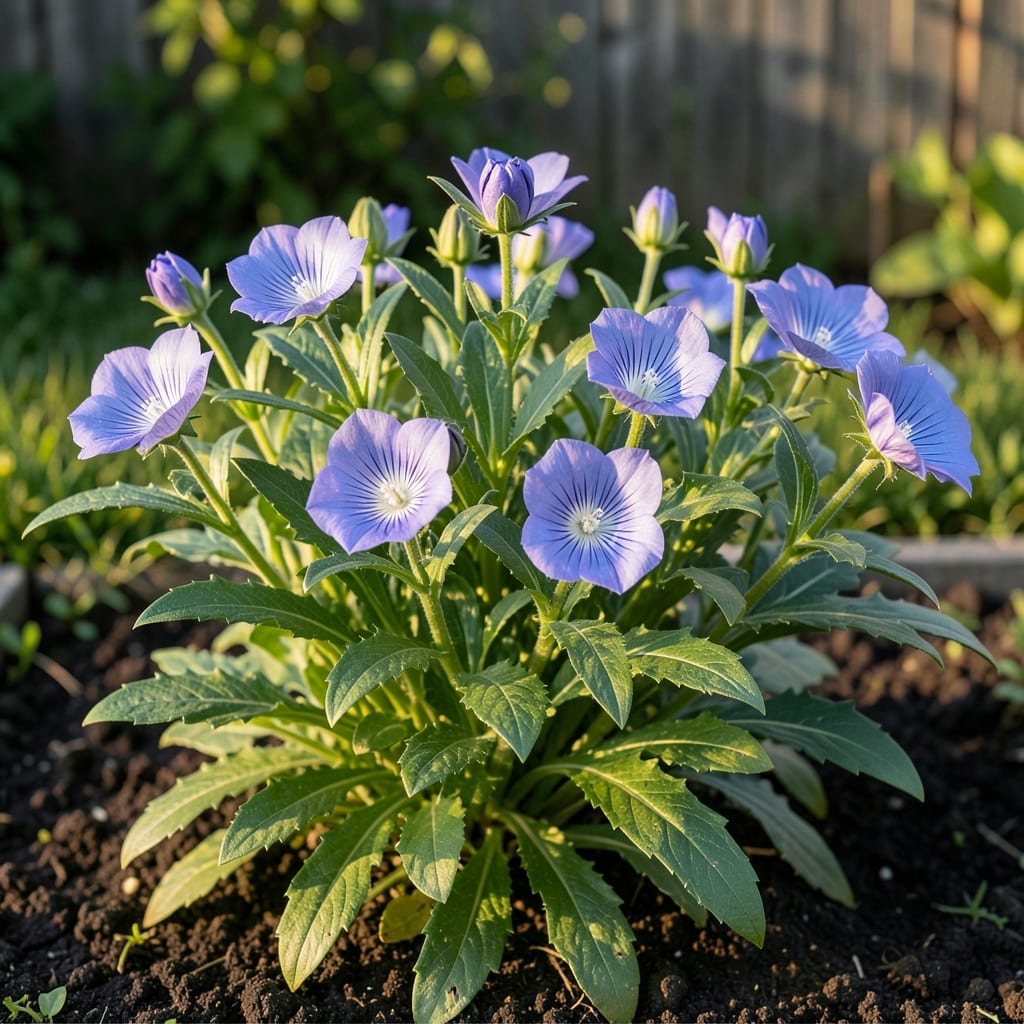
Balloon flower is a perennial plant in most climates, returning each year from its roots. In extremely cold regions, it may behave as an annual if not properly protected.
I’ve grown balloon flowers across different USDA hardiness zones and consistently see them bounce back each spring from their established root systems. The key difference in colder areas is winter survival—without a protective layer of mulch or snow cover, the roots can freeze, forcing you to replant. In my experience, even marginal climates can support perennial growth with proper site selection and care. ✨
💡 In This Article
The secret lies in its extensive root system. Balloon flower (Platycodon grandiflorus) develops a deep, fibrous root network that stores energy and nutrients throughout winter. This allows the plant to regrow from the same roots each spring, classifying it as a true perennial in USDA zones 3-9.
The roots can survive temperatures down to -40°F when properly established. 🌟
Overwintering success depends on root insulation. In colder climates, a 2-3 inch layer of organic mulch (like straw or wood chips) protects the root zone from freeze-thaw cycles. The plant enters dormancy after the first hard frost, with top growth dying back while roots remain alive underground.
This dormancy period typically lasts 4-5 months in northern regions.
What makes balloon flower particularly resilient is its ability to store carbohydrates in its roots. These stored reserves fuel rapid spring regrowth, often producing new shoots within 2-3 weeks of soil warming. Gardeners in zone 3 report consistent returns even after sub-zero winters, provided the soil remains consistently moist but well-drained during dormancy. ⚡
The plant’s perennial nature becomes more reliable with age. First-year plants may struggle in extreme cold, but once established (after 2-3 growing seasons), they develop deeper, more extensive root systems. This maturation process significantly improves winter survival rates, with established clumps often spreading 6-12 inches annually through root expansion.
Even in borderline climates, proper site selection enhances perennial behavior. Planting in a south-facing location with winter sun exposure can provide the extra warmth needed for root survival. In container gardens, overwintering the entire pot in a protected area (like an unheated garage) with occasional watering can maintain the plant’s perennial cycle. 💫
Balloon flowers thrive as perennials in USDA zones 3-9. Their extensive root system survives winters down to -40°F when properly mulched. In zone 3, add extra protection like straw or leaves.
Apply a 2-3 inch layer of organic mulch in late fall. This insulates roots from freeze-thaw cycles. In containers, move pots to a sheltered spot and water lightly through winter.
First-year plants may struggle in extreme cold. Poor drainage or lack of mulch can kill roots. In borderline zones, south-facing locations with winter sun improve survival rates.
Expect full perennial reliability after 2-3 growing seasons. Established clumps develop deeper roots and spread 6-12 inches annually, making them more winter-hardy.