
Beautiful Plants For Your Interior
Beautiful Plants For Your Interior
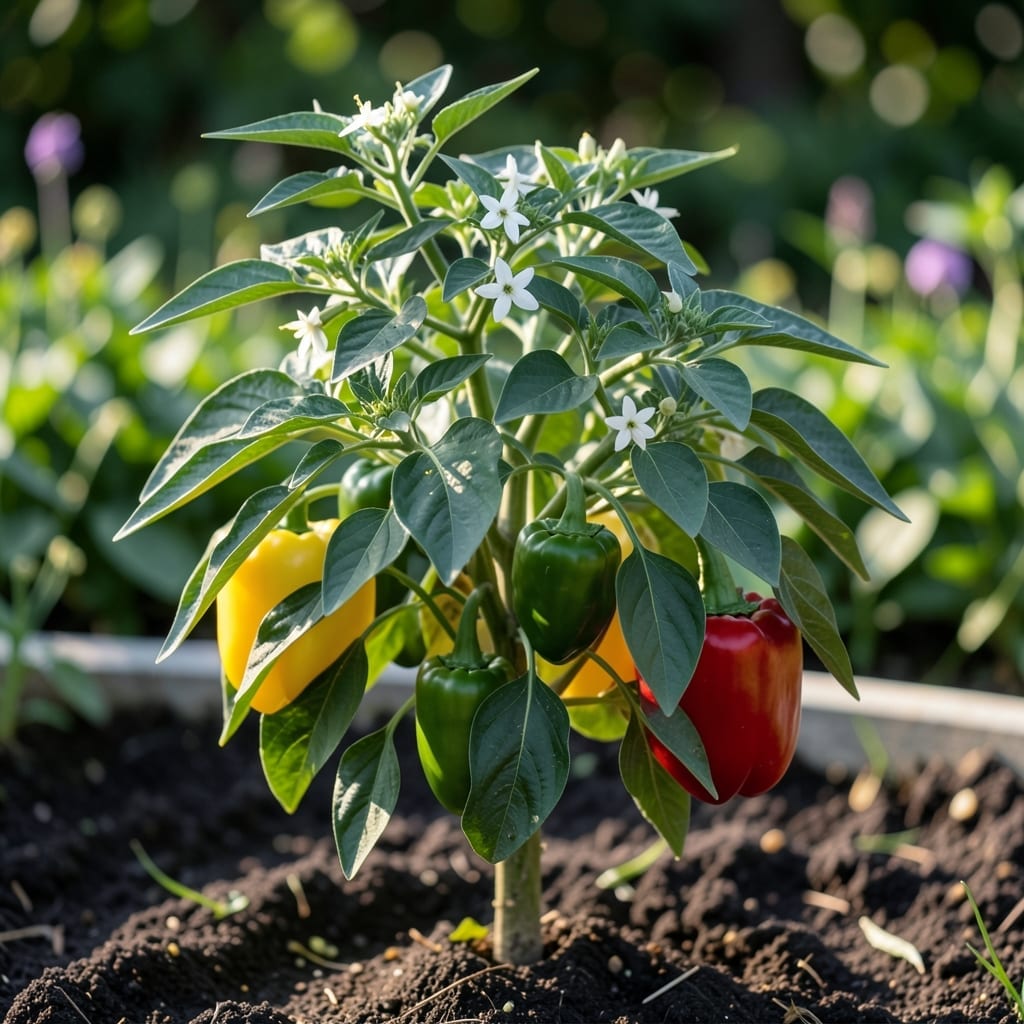
Dark spots on pepper leaves mean trouble. I lost half my crop to bacterial spot one season before learning copper sprays could have saved them.
It spreads fast through water, tools, or even your hands. The bacteria thrive in warm, wet conditions—exactly what peppers love too. Early signs look like tiny water-soaked spots that turn brown with yellow halos.
Copper-based treatments work as both protection and cure. Apply at the first sign of trouble, then every 7-10 days during wet weather. Always spray in the morning so leaves dry quickly.
Prevention beats treatment every time. Rotate crops, clean tools, and space plants for air flow. Healthy plants resist this disease better than any spray.
Bacterial spot pepper is primarily caused by Xanthomonas euvesicatoria, a pathogen that thrives in warm, wet conditions. Understanding the root causes helps you prevent outbreaks and protect your pepper plants. Below are the key factors that trigger this disease.
The bacteria spread rapidly in environments with prolonged leaf wetness. Overhead irrigation, frequent rain, or poor airflow in greenhouses create ideal conditions for infection. Water droplets on leaves allow the pathogen to enter through natural openings or wounds.
Xanthomonas euvesicatoria flourishes in temperatures between 75–85°F (24–29°C). These conditions accelerate bacterial growth and shorten the time between infection and symptom appearance. Hot, humid climates are especially high-risk zones.
Infected seeds or soil harboring the bacteria can introduce the disease to new plants. Using untreated seeds or reusing soil from a previous outbreak increases the likelihood of infection. Sanitizing tools and starting with certified disease-free seeds are critical preventive measures.
Overcrowded plants restrict airflow, keeping foliage damp for longer periods. This not only promotes bacterial growth but also makes it easier for the pathogen to spread between plants through splashing water or direct contact.
Tackling bacterial spot on peppers starts with quick action and consistent care. Below are targeted solutions for each common cause, paired with prevention tips to keep your plants thriving.
Fix: Remove and destroy infected plants immediately to prevent spread. Disinfect tools and trays with a 10% bleach solution (1 part bleach to 9 parts water) after handling.
Prevention: Start with certified disease-free seeds or seedlings. Soak seeds in hot water (122°F for 20 minutes) before planting to kill bacteria.
Fix: Improve air circulation by pruning dense foliage and spacing plants at least 18 inches apart. Water at the base of plants early in the day to allow leaves to dry quickly.
Prevention: Use drip irrigation instead of overhead watering. Mulch with straw to reduce soil splash, which can spread bacteria.
Fix: Rotate crops—avoid planting peppers or tomatoes in the same spot for at least 3 years. Solarize soil by covering it with clear plastic for 4-6 weeks to kill bacteria.
Prevention: Sterilize gardening tools with rubbing alcohol before and after use. Clean up plant debris promptly, as it can harbor bacteria.
Fix: Apply a copper-based fungicide (like copper hydroxide or copper sulfate) every 7-10 days during wet weather or at the first sign of spots. Follow label instructions carefully.
Prevention: Use copper sprays preventatively in early season, especially in areas with a history of bacterial spot. Strengthen plants with balanced fertilization to boost natural resistance.
💡 Pro Tip: Monitor plants weekly for early signs—small, water-soaked spots on leaves—and act fast. Consistency in watering, cleanup, and treatment is key to stopping this disease in its tracks!
Watch for tiny water-soaked spots on leaves that turn brown with yellow halos. These often appear on lower leaves first. Act quickly at first sight to prevent spread.
Apply every 7-10 days during wet weather or at first signs of infection. Morning applications allow leaves to dry quickly, improving effectiveness.
Remove and destroy severely infected plants immediately. This prevents spreading to healthy plants. Focus treatments on early-stage infections.
Avoid planting peppers in the same spot for 3 years. This breaks the bacteria’s life cycle in soil. Solarizing soil also helps kill lingering pathogens.