
Beautiful Plants For Your Interior
Beautiful Plants For Your Interior
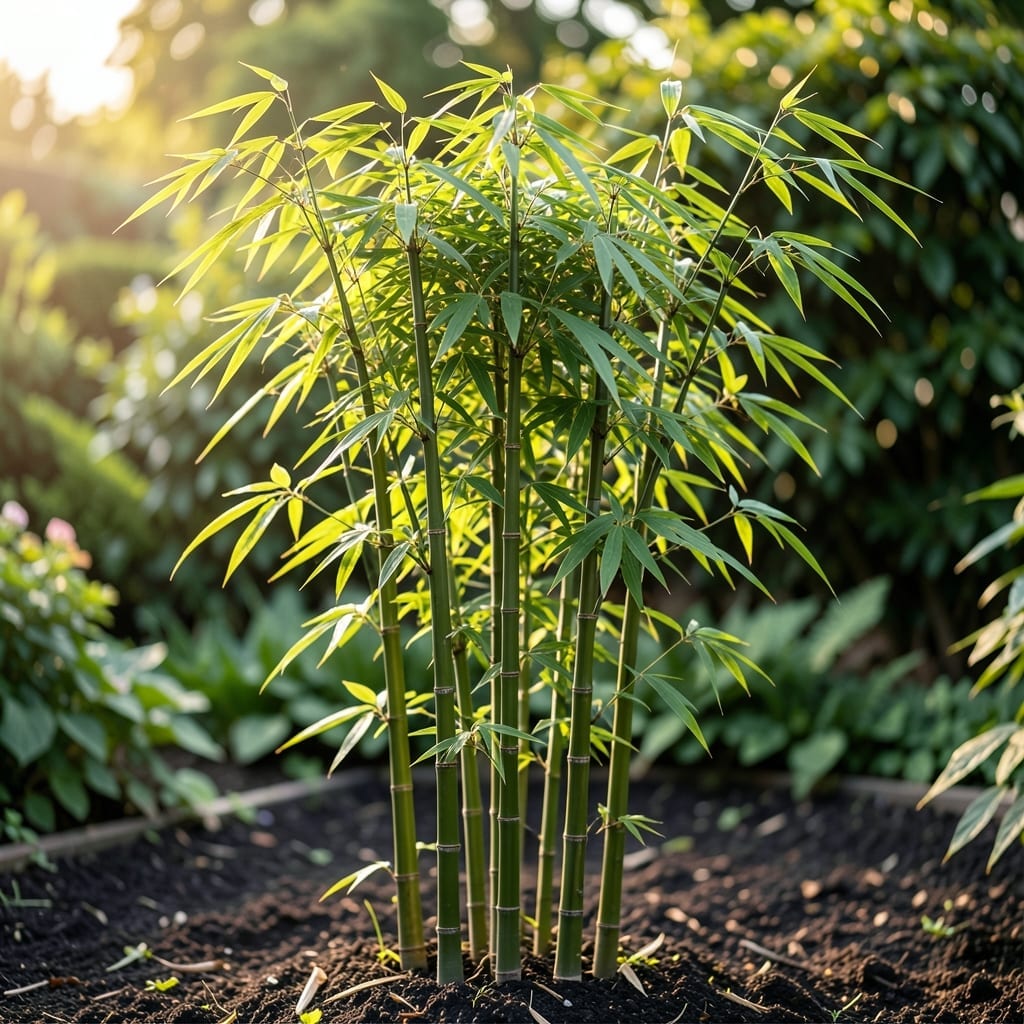
That running bamboo took over my neighbor’s yard in 18 months. What started as a privacy screen became a spreading nightmare that threatened fences, patios, and even house foundations. I learned the hard way that some bamboo varieties can travel 20 feet underground in a single season.
Here’s the thing—containment requires more than just cutting back the canes. You need to starve the roots, block the runners, and stay vigilant. Most people don’t realize the rhizomes keep growing even after the tops are removed, popping up new shoots dozens of feet away.
With the right barriers and consistent effort, you can reclaim your space. I’ve tested methods from deep trenches to root pruning, and the ones that work don’t involve chemicals or back-breaking labor.
Works for clumping or running types, in any backyard size. Let’s tackle this before it spreads further.
Bamboo’s invasive nature in backyards is no accident—it’s a combination of biological traits and human oversight. Here’s why it happens:
Running bamboo varieties (like Phyllostachys or Pseudosasa) spread via leptomorph rhizomes, horizontal underground stems that can extend 10–20 feet per year. These rhizomes sprout new shoots far from the parent plant, exploiting soil resources aggressively. Unlike clumping bamboo (which stays contained), running types lack genetic limits on expansion, making them notorious invaders.
While less common, bamboo seeds (when produced) can be carried by wind or wildlife, leading to unexpected sprouts in neighboring yards. Even small fragments of rhizomes or culms (stems) discarded in compost or yard waste can take root, as bamboo’s high regenerative capacity allows it to grow from tiny nodes.
Many gardeners plant bamboo without root barriers (e.g., HDPE plastic 30+ inches deep) or in open soil near lawns. Without physical or chemical controls, the plant exploits loose, well-drained soil to expand rapidly. Even one overlooked rhizome under a fence can trigger a new infestation.
Bamboo thrives in temperate climates with ample moisture and sunlight. Backyards with rich, undisturbed soil and minimal competition from other plants create a perfect storm for unchecked growth. Its fast photosynthesis rate (some species grow up to 35 inches in 24 hours) outpaces most native plants, crowding them out.
Bamboo can be a beautiful addition to your yard, but when it spreads uncontrollably, it becomes a nuisance. Here’s how to tackle each cause and reclaim your space.
For running bamboo, the best fix is physical barriers. Bury a high-density polyethylene (HDPE) root barrier at least 30 inches deep around the bamboo grove, ensuring it curves outward at the top to prevent rhizomes from escaping. Regularly check for and trim any shoots that pop up outside the barrier.
Clumping bamboo is easier to manage but can still spread if left unchecked. Prune old or weak canes at ground level in late winter or early spring. Thin out crowded areas to improve airflow and reduce competition for nutrients. This keeps the plant healthy and contained.
If bamboo was planted too close to fences, driveways, or neighboring properties, dig it out completely. Use a shovel to remove the rhizomes and roots, ensuring no pieces are left behind, as even small fragments can regrow. For large infestations, consider hiring a professional to ensure thorough removal.
Install HDPE barriers at least 30 inches deep and 6 inches above ground. Curve the top outward to stop rhizomes from escaping over the edge.
No, cutting only removes visible canes. The underground rhizomes keep growing, sending up new shoots. Dig out roots completely or use barriers for lasting control.
Running bamboo spreads aggressively via long rhizomes, while clumping types grow in tight clusters. Clumping is far easier to contain in backyards.
Inspect the perimeter weekly during growing season. Remove new shoots immediately—they can grow 1 foot per day if left unchecked.