
Beautiful Plants For Your Interior
Beautiful Plants For Your Interior
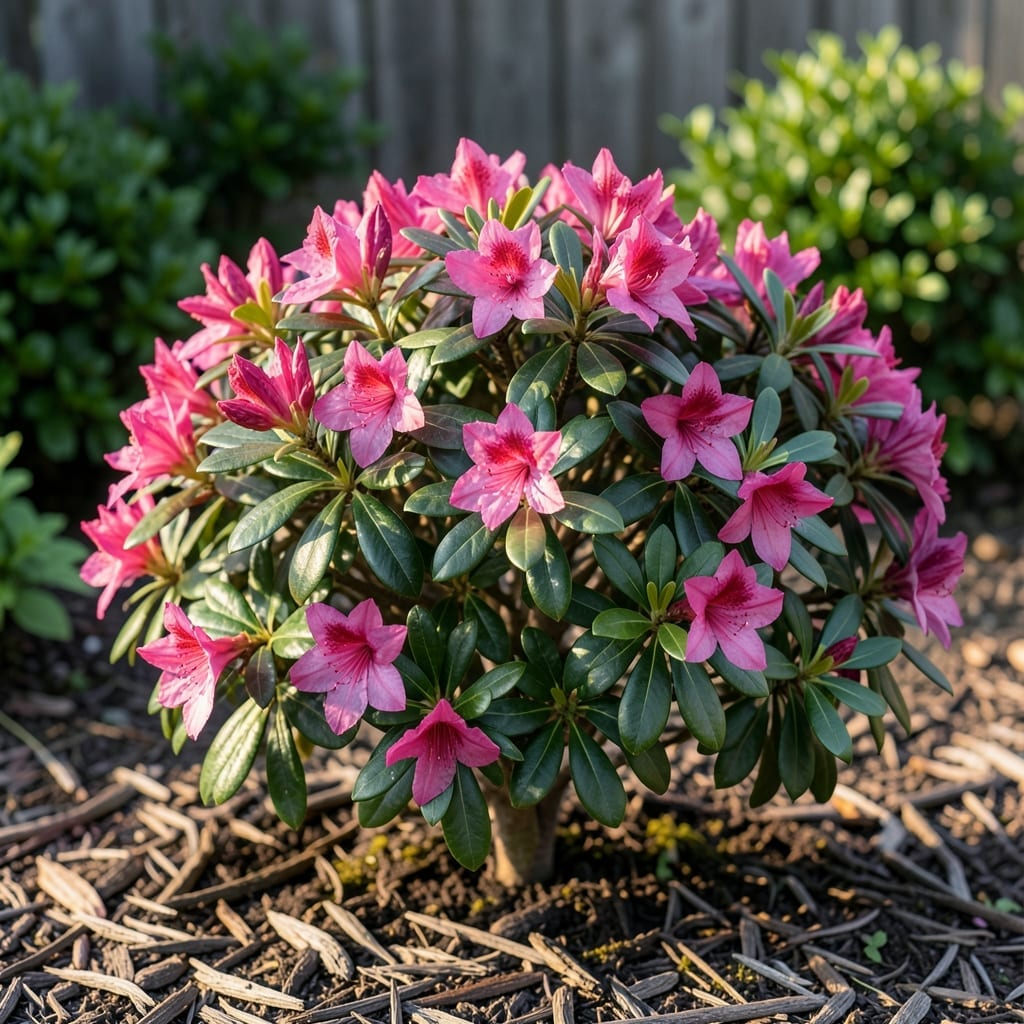
Azaleas are woody perennials that return year after year, producing vibrant blooms each spring. They are not annuals and can thrive for decades with proper care.
I love how these shrubs establish deep root systems that survive winter dormancy, awakening each spring with more abundant flowers. Their woody stems distinguish them from tender annuals that die after one season. With the right acidic soil and partial shade, they can become a reliable garden staple for years. ✨
💡 In This Article
Azaleas belong to the Rhododendron genus, which is defined by woody stems that persist above ground year-round. Unlike annuals that complete their lifecycle in one season, azaleas develop permanent root systems and woody structures. These features allow them to survive winter dormancy and regrow each spring from established growth. 🌟
Their growth habit includes slow but steady expansion, typically adding 6-12 inches per year under ideal conditions. This gradual development creates dense, multi-stemmed shrubs that can reach 2-8 feet tall. The woody nature provides structural support for the plant to produce abundant flowers annually, often in clusters of 5-15 blooms per stem.
Seasonal behavior plays a key role in their classification. Azaleas enter dormancy during cold months, with metabolic activity slowing dramatically. The plant conserves energy in its woody stems and roots, then bursts into growth as temperatures rise in spring. This adaptation allows them to thrive in USDA zones 4-9, returning reliably each year. ✨
What distinguishes them from annuals is their ability to store energy reserves in woody tissue. This enables azaleas to produce more flowers each subsequent year, often increasing bloom density as the plant matures. The root system also expands annually, improving drought tolerance and nutrient absorption over time.
Botanists classify them as perennials because they maintain living tissue above ground throughout winter. This contrasts with herbaceous perennials that die back to the ground, as azaleas retain their woody structure year-round. Their evergreen or deciduous foliage (depending on variety) further confirms their perennial nature. 🔥
Yes! Azaleas are woody perennials that return annually, often for 20-50 years with proper care. Their established root systems allow them to survive winter and bloom again each spring.
Use a large pot with acidic, well-draining soil. Container-grown azaleas need more frequent watering and winter protection in cold climates. They may be less cold-hardy than in-ground plants.
Poor drainage, wrong soil pH, or severe winter damage can kill them. Plant in acidic soil (pH 4.5-6.0), provide winter mulch, and avoid late-season pruning to ensure their return.
Annuals complete their lifecycle in one season, while azaleas develop woody stems that persist year-round. This woody structure allows them to store energy and bloom annually, unlike temporary annuals.