
Beautiful Plants For Your Interior
Beautiful Plants For Your Interior
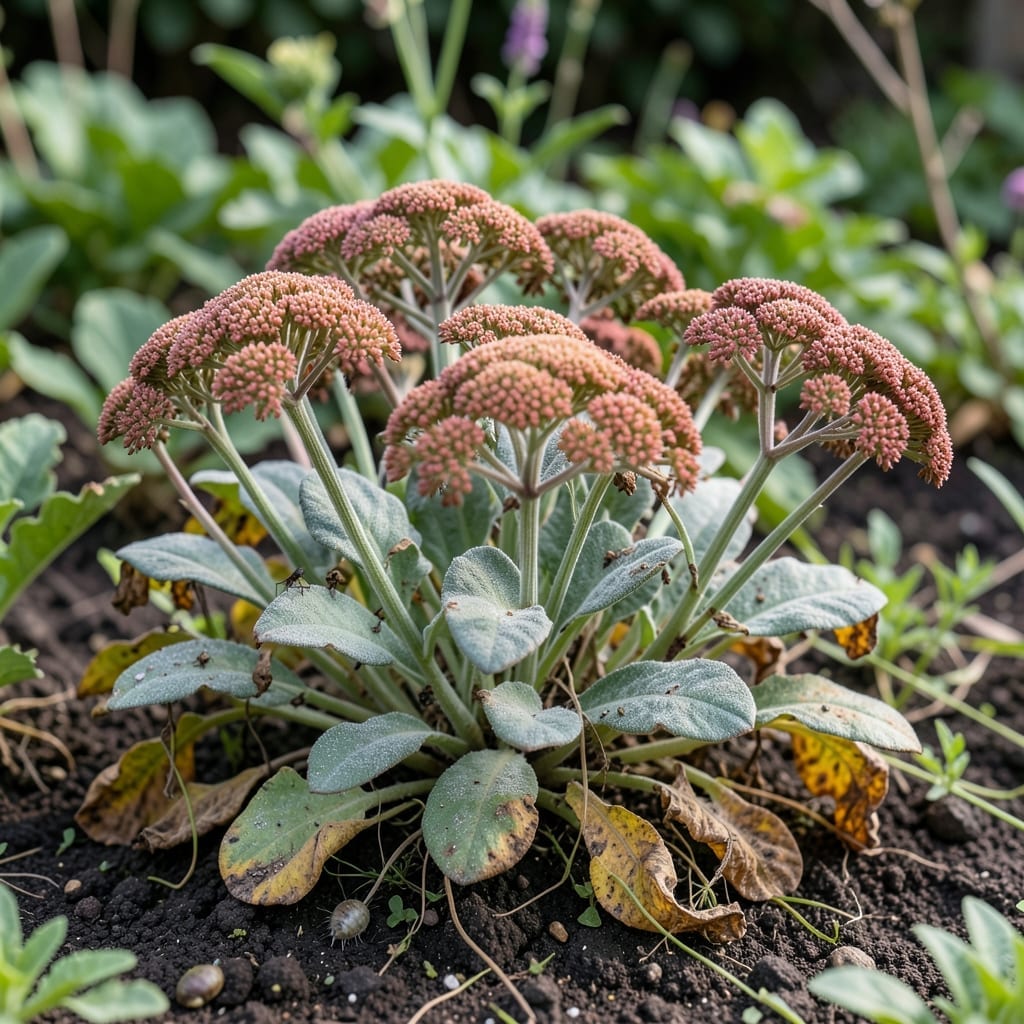
Autumn Joy sedum should be the easiest plant in your garden. I’ve watched mine thrive for years with almost no attention—until the season it didn’t.
Then I learned the hard way that even this tough perennial has its breaking points. The problems usually announce themselves with wilting stems, blackened leaves, or a sudden lack of those iconic pink blooms.
Catching issues early makes all the difference. Most solutions are simple and organic, requiring just a closer look and a few adjustments to water, light, or soil conditions.
You’ll get your sedum back to its foolproof self faster than you think. Here’s how to spot trouble before it spreads.
Autumn Joy sedum (Hylotelephium ‘Herbstfreude’) is a hardy perennial, but several environmental and cultural factors can trigger problems. Below are the most common causes, explained with actionable insights.
Sudden frost or heatwaves stress the plant, leading to wilting, leaf scorch, or stunted growth. Sedum thrives in USDA zones 3–9 but struggles when temperatures fluctuate wildly. Solution: Mulch heavily in late fall to insulate roots, and provide afternoon shade in scorching summers.
This drought-tolerant succulent rots quickly in soggy soil. Fungal diseases like Phytophthora or Pythium thrive in waterlogged conditions, causing blackened stems or mushy leaves. Fix: Plant in well-draining soil (add grit or sand) and water only when the top inch is dry.
Aphids, mealybugs, and slugs target stressed sedum, sucking sap or chewing foliage. Honeydew secretions (from aphids) can also promote sooty mold. Action: Blast pests off with water or apply neem oil at dusk. Encourage ladybugs as natural predators.
Too much nitrogen leads to leggy growth and weak stems, while phosphorus deficiency may cause poor flowering. Autumn Joy sedum prefers low-fertility soil; over-fertilizing disrupts its natural resilience. Tip: Use a balanced, diluted fertilizer (5-10-10) once in spring—if at all.
Less than 6 hours of full sun daily results in floppy stems, reduced blooms, and pale foliage. Sedum stores energy in its leaves; shade limits photosynthesis. Remedy: Relocate to a sunnier spot or thin nearby plants to improve light access.
Autumn Joy sedum is hardy, but even the toughest plants need a little help sometimes. Here’s how to tackle the most common problems and keep your garden thriving. 🌿
Fix: Prune back the stems by one-third in early summer to encourage bushier growth. If flopping has already occurred, use stakes or a support ring to prop up the plant. Pinching back new growth in late spring can also promote sturdier stems.
Prevention: Ensure the plant gets full sun (at least 6 hours daily) and avoid over-fertilizing, which can lead to weak, leggy growth.
Fix: If you spot wilting, yellowing, or mushy stems, act fast. Trim away affected areas with sterilized shears and repot or transplant the sedum into well-draining soil. For fungal issues like powdery mildew, spray with a neem oil solution (1 tbsp neem oil + 1 tsp dish soap + 1 gallon of water) every 7–10 days until resolved.
Prevention: Water at the base of the plant (not overhead) and space plants 18–24 inches apart for airflow. Amend heavy clay soil with compost or sand to improve drainage. 💡
Fix: Blast aphids off with a strong stream of water, or wipe leaves with a cotton swab dipped in rubbing alcohol for mealybugs. For severe infestations, apply insecticidal soap (follow label instructions) or introduce natural predators like ladybugs.
Prevention: Inspect plants regularly, especially under leaves. Encourage beneficial insects by planting companion flowers like marigolds or yarrow nearby.
Fix: Trim off dead or crispy foliage to redirect energy to healthy growth. If drought is the culprit, water deeply at the soil level (1 inch per week) until the plant recovers.
Prevention: Mulch around the base with gravel or straw to retain moisture. Avoid overhead watering in extreme heat to prevent leaf scorch. ✨
This usually happens due to insufficient sunlight or over-fertilization. Ensure it gets 6+ hours of sun daily and avoid high-nitrogen fertilizers. Prune stems by one-third in early summer for sturdier growth.
Black stems often signal root rot from overwatering. Trim affected areas, repot in well-draining soil, and reduce watering. Let the top 1 inch of soil dry between waterings.
Yes! Spray with a neem oil solution (1 tbsp oil + 1 tsp dish soap per gallon of water) every 7-10 days. Improve airflow and avoid overhead watering to prevent recurrence.
Encourage natural predators like ladybugs and inspect plants weekly. Plant marigolds nearby to deter aphids, and avoid over-fertilizing, which attracts pests.