
Beautiful Plants For Your Interior
Beautiful Plants For Your Interior
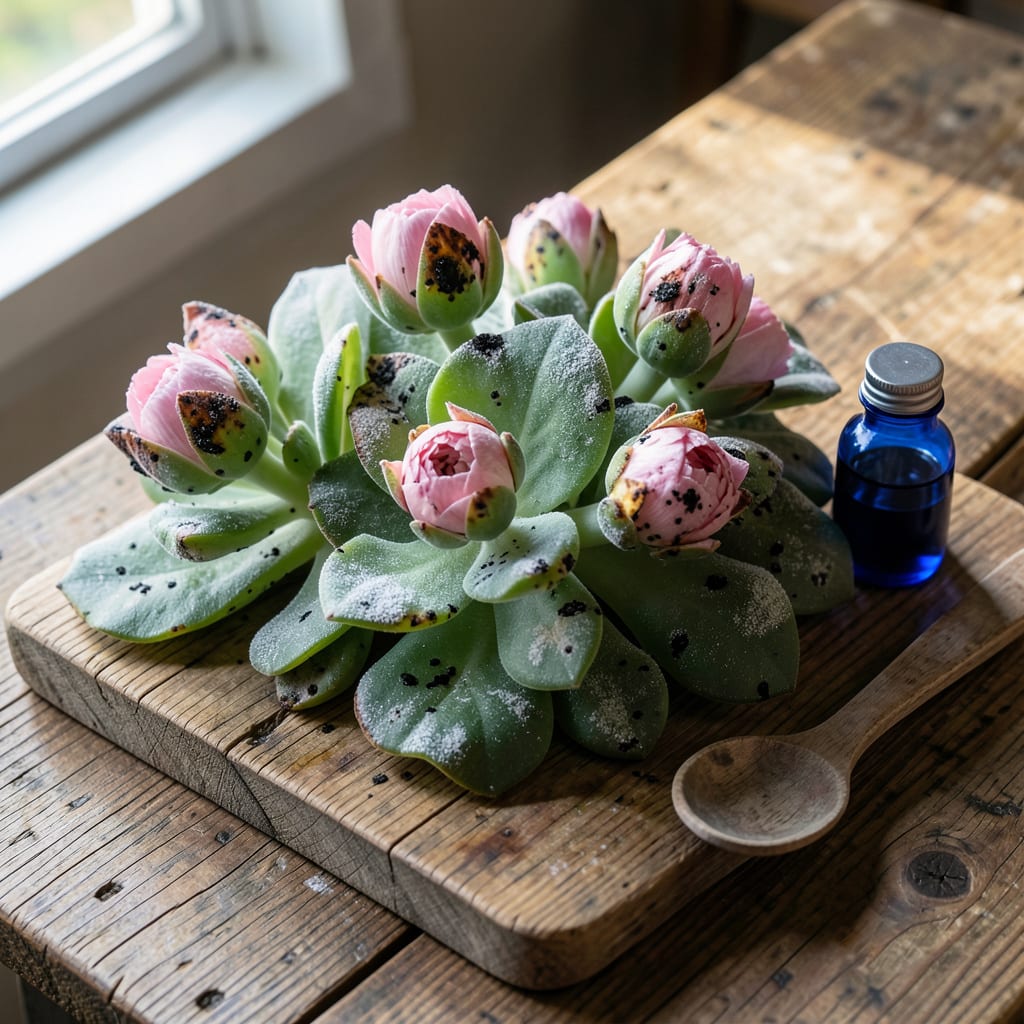
I’ve lost more sedum to preventable issues than I care to admit. Autumn Joy is tough, but even this hardy plant can fall victim to rot, powdery mildew, or leaf spot when conditions aren’t right.
Most problems start with too much moisture—overwatering, poor drainage, or crowded planting. The fix is usually simpler than you’d think: better airflow, drier soil, and a little vigilance.
You’ll spot trouble early if you know what to look for: blackened stems, white powder on leaves, or yellowing foliage. Catch it fast, and organic solutions often work wonders.
This plant thrives on neglect, but a few smart habits keep it healthy and blooming from late summer through frost. Here’s how to stay ahead of the issues.
Autumn Joy sedum (Hylotelephium ‘Herbstfreude’) is a hardy perennial, but even the toughest plants can fall victim to diseases under the right conditions. Understanding the root causes helps you prevent problems before they start. Here are the most common triggers:
Sedums thrive in well-draining soil, and their fleshy leaves store water efficiently. When soil stays soggy—due to heavy clay, compacted beds, or excessive rain—the roots suffocate. This stress weakens the plant, making it susceptible to root rot (often caused by Phytophthora or Pythium fungi). Poor drainage also encourages stem rot, where the base of the plant turns mushy and black.
Fungal diseases like powdery mildew and botrytis blight (gray mold) thrive in stagnant, humid environments. Crowded plantings, dense canopies, or shaded locations trap moisture on leaves, creating a breeding ground for spores. Sedums in poorly ventilated areas are especially prone to white, powdery coatings or fuzzy gray growth on stems and flowers.
Fallen leaves, dead stems, or old mulch left around the base of sedum plants can harbor fungal spores and pests. Alternaria leaf spot and rust diseases often overwinter in plant debris, reinfecting new growth in spring. Failing to clean up after pruning or ignoring spent blooms can accelerate the spread of these issues.
Extreme temperature swings—such as late spring frosts or sudden heatwaves—can stress Autumn Joy sedum, lowering its natural defenses. Weakened plants are more vulnerable to opportunistic pathogens. Additionally, prolonged wet conditions in cool spring or fall weather can trigger bacterial leaf spot, marked by water-soaked lesions that turn brown or black.
When Autumn Joy sedum shows signs of disease, quick and targeted action can restore its health. Below are practical solutions for common issues, paired with prevention tips to keep your plants thriving.
If white, powdery spots appear on leaves, prune affected areas immediately and dispose of them in the trash (not compost). Treat the plant with a baking soda solution (1 tsp baking soda + 1 quart water + a drop of dish soap) sprayed weekly. Prevention tip: Space plants 12–18 inches apart to ensure good airflow, and water at the base to keep foliage dry.
For sap-sucking pests, blast them off with a strong stream of water or apply neem oil or insecticidal soap every 5–7 days. Introduce beneficial insects like ladybugs or lacewings to the garden. Prevention tip: 💡 Inspect new plants before bringing them home and avoid over-fertilizing, which attracts pests.
If stems turn mushy or black at the base, stop watering and let the soil dry out completely. Trim rotten roots and repot in fresh, well-draining soil. Prevention tip: Use containers with drainage holes and water only when the top inch of soil is dry. Sedums thrive on neglect—less is more!
Brown or black spots on leaves often signal fungal or bacterial leaf spot. Remove infected leaves and avoid overhead watering. Apply a copper fungicide if the problem persists. Prevention tip: ✨ Clean up fallen debris around the plant and rotate crops if growing sedum in the same spot yearly.
With these fixes and a little vigilance, your Autumn Joy sedum will bounce back and reward you with its signature late-season blooms. Stay proactive, and your garden will thank you!
Look for blackened, mushy stems at the base and wilting foliage. The soil may smell foul.
Powdery mildew appears as white powder on leaves, often caused by poor airflow or high humidity.
Yes, if caught early. Trim affected stems, improve drainage, and reduce watering.
Remove infected leaves and apply copper fungicide or a baking soda spray. Prevent with good hygiene.
